

New dad wonders if he’s wrong for skipping his in-laws’ Christmas Eve party to start his own family tradition

Choosing a smaller, meaningful celebration at home exposed how difficult it can be to reset family expectations after becoming parents.
When a family grows, its holiday traditions can grow along with it. One man wanted his first Christmas Eve with his new baby to be personal and intimate for his little family. But skipping his brother-in-law’s massive annual party, which he usually attended, to start his own tradition set off a family feud. He asked the internet what others thought, wondering an important question… is it wrong to prioritize immediate family over long-standing family expectations?
The story
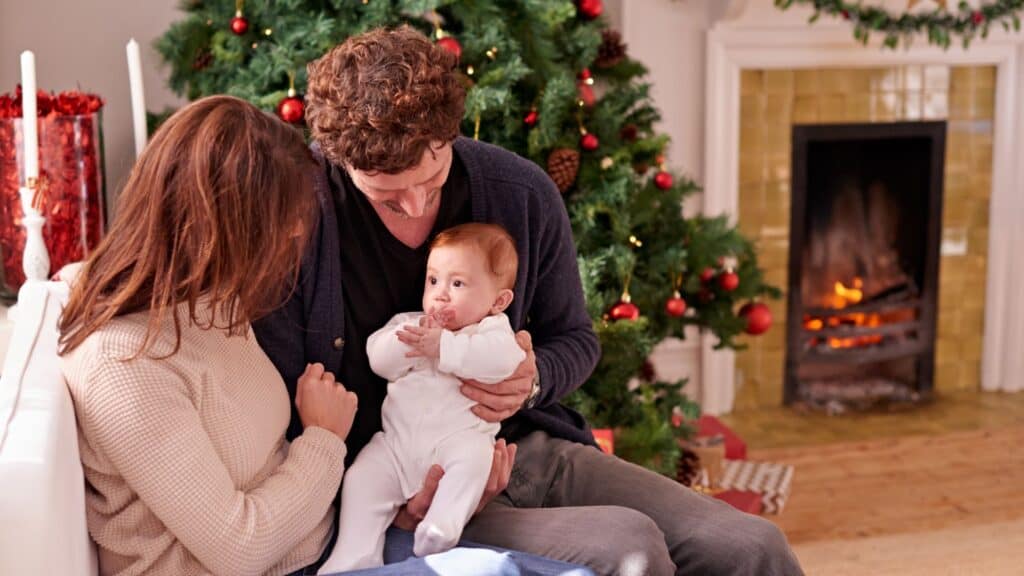
A new dad recently asked on Reddit whether he was in the wrong for skipping his brother-in-law’s wife’s family Christmas Eve party to start his own family tradition. The original poster is a 38-year-old father, and his wife and just had their first child.
Excited for their first Christmas as a family of three, he wanted to focus on creating personal traditions at home, which includes a Mexican-American Nochebuena dinner. He described it as a cultural celebration that had always been meaningful to him. He made sure to state that he enjoys his wife’s family, particularly the large gatherings, but he felt that this year should be about his immediate family, given that their priorities have recently shifted with the baby.
In the past, the couple had attended the Christmas Eve party every year, a long-standing family tradition that included her wife’s siblings, nieces, nephews, and even some grandchildren. The OP explained that he wanted to honor past traditions but also hoped to introduce his son to his cultural heritage and celebrate in a more intimate setting. He and his wife invited the immediate family to join their dinner, but made it clear there were no expectations for anyone to cancel existing plans to attend the traditional party.
But this decision sparked a lot of tension. The grandparents accused them of “dividing the family,” and some relatives, including his wife’s twin sister, voiced their frustration over having to navigate two gatherings in one night. He reassured everyone that their choice wasn’t personal and even offered to join the family the following morning, but still, the situation created hurt feelings and family drama.
The reactions
Many Reddit users were quick to defend OP’s choice to prioritize his own family. One commenter wrote, “Start your own family traditions, especially now that you and your wife have a little one! You will not regret it.” This perspective echoes how important it is for new parents to create meaningful experiences with their child. You don’t have to frame it as malicious intent to “skip the party.” Simply let others know you’re setting the tone for what your family values and celebrating your own culture, which can be incredibly rewarding.

Another Redditor offered a practical point: “Even if you weren’t starting your own thing, the baby is too young to be around all those people.” This comment highlights the reality of raising a newborn. Beyond tradition and family expectations, there’s the legitimate health and comfort of the child to consider. Large gatherings with dozens of guests, especially in the winter months when colds and flu are more common, can be overwhelming or even risky for a six-month-old. Sometimes opting out is just a responsible choice for your family’s well-being.
Some responses emphasized the importance of perspective within different family dynamics. One user noted, “It’s her family, not yours, so it makes sense you want your own traditions centered on people close to you.” New families need space to cultivate their own identity without guilt, too. Extended family gatherings can be joyful, but they shouldn’t have to come at the expense of a couple’s ability to bond and nurture their immediate family.
A few commenters also acknowledged the awkwardness that comes with creating new traditions, but encouraged OP to hold firm if it means that much to him. One person wrote, “After the first year of awkwardness, it will settle out. Go for it. It’s more important to share your love, culture, and traditions with your little guy.”
This is something we’ve all probably experienced: the initial tension with extended family usually dissipates. If approached with honesty and respect, establishing a family-first holiday tradition can become a cherished part of your child’s upbringing while still maintaining ties with your other relatives.
Some responses highlighted the tough balancing act between tradition and compromise. One commenter suggested attending part of the larger family event or joining the following morning. This is the kind of solution that typically works best in these situations and allows everyone to feel included without sacrificing the intimacy of a new family celebration.

Navigating holiday expectations
The core lesson from this story is that new families need the freedom to establish their own rituals and traditions without feeling guilty for stepping away from long-standing extended family events. It’s natural to want to honor your spouse’s family, but your immediate family, especially with a newborn, is now its own unit that deserves special attention and special memories. If you’re ever in a similar situation, there are ways you can create meaningful traditions while still maintaining family harmony.
Set clear boundaries. This means you decide what matters most to your immediate family and communicate it respectfully, like how the OP told his in-laws that he and his wife would host a family-centered dinner while still allowing the option for relatives to stop by briefly if they could. It communicates intention without pressuring anyone else.
Offer compromise. Compromise is important while still respecting your priorities. You don’t have to attend every extended family event just because it exists. Instead, you can extend small gestures like dropping by for a brief visit, or participating in morning gift-opening, and it can keep relationships warm without sacrificing your own family’s celebration.

Start small and intentional. Even if your children are very young, small traditions like special meals and cultural rituals can lay the groundwork for cherished memories without completely forgetting everyone else. OP’s focus on doing something small, like cooking a traditional dinner, is a perfect example of starting something meaningful for his baby that can grow over the years and have room for intentional integration.
Don’t allow yourself to be guilted. It’s normal for relatives to resist change or feel hurt, but if you know your intentions are without malice, you don’t have to drop your boundaries out of guilt every time. Their reaction doesn’t mean your decision is wrong. Creating your own family tradition is not entirely selfish; it’s a natural evolution of your family unit. Staying consistent and respectful helps relatives adjust over time, and they usually do.
Balance inclusion and independence. Allow flexibility for relatives who genuinely want to participate without letting it overshadow your family’s celebration. This can include alternating years or attending shorter segments of bigger gatherings. The goal is for everyone to feel seen and important.
At its heart, starting your own traditions means prioritizing connection. Consciously creating meaningful moments for your immediate family isn’t the same as rejecting everyone else. You’re building a legacy that your child will remember fondly for years to come. It can be a delicate thing to navigate between respect for others’ traditions and protecting the space for your own, but the payoff is a family culture that’s uniquely yours.