

10 things in your garage you should throw away in 2026 — I will start with No. 7
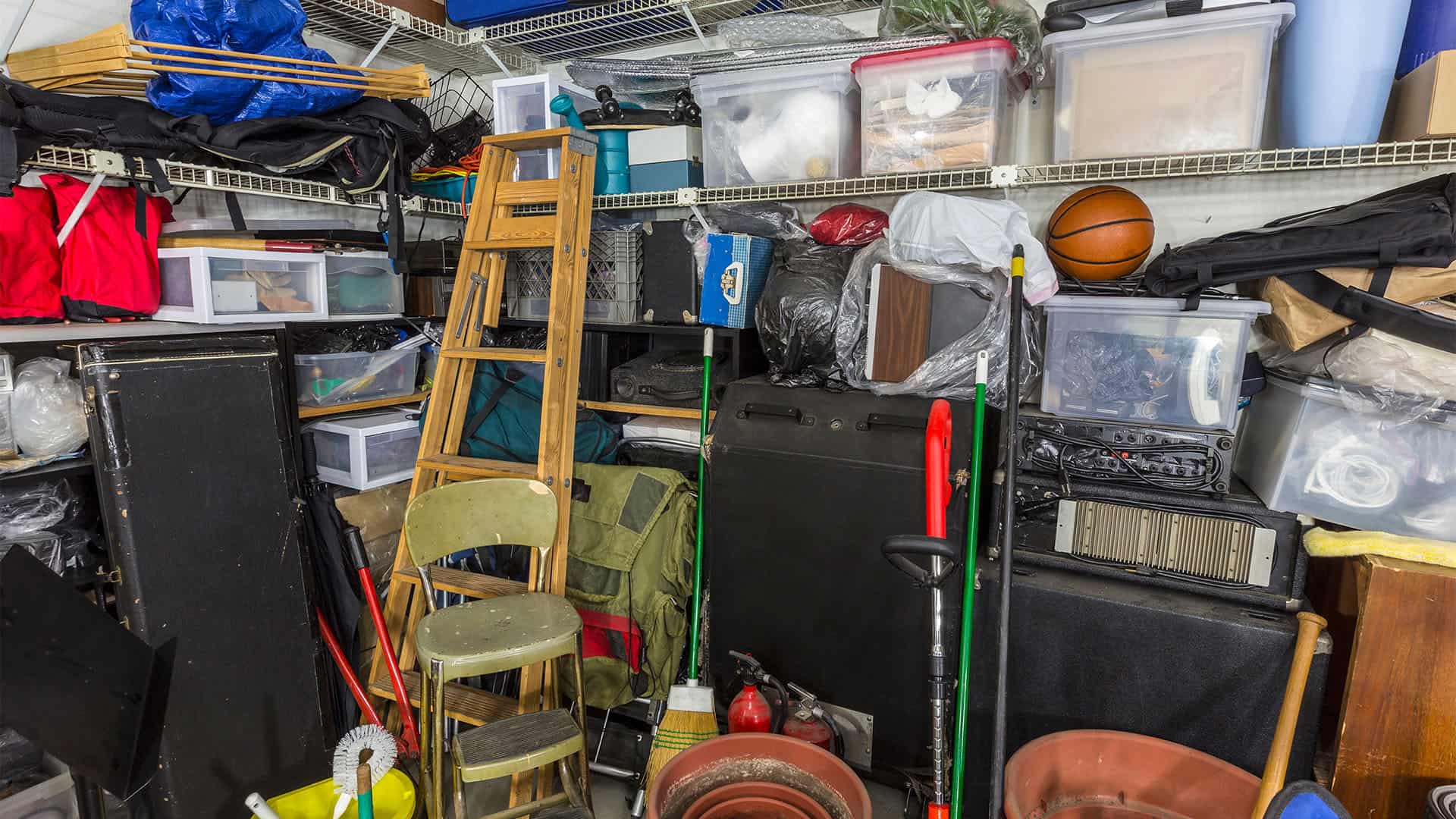
The garage holds more than clutter. Some items cost you space and peace of mind without you realizing it.
The garage has become America’s most forgiving junk drawer. It’s where broken tools go to retire and half-empty containers of mystery chemicals quietly age. As we move into 2026, there’s real value in taking a clear-eyed look at what’s hiding behind those shelves. Beyond freeing up space, decluttering your garage can reduce safety hazards and even put some cash back in your pocket. Here are 10 things that no longer deserve a spot in your garage, along with smart ways to get rid of them responsibly.

1. Expired paints, solvents, and chemicals
Many garage-stored chemicals degrade over time, becoming flammable or environmentally hazardous. According to the U.S. Environmental Protection Agency, improper storage and disposal of household hazardous waste increase the risk of fires, toxic exposure, and groundwater contamination. Check your city or county’s household hazardous waste collection program for ways to dispose of them properly. Never pour chemicals down drains or toss them in the trash.
2. Old gas and fuel containers
Gasoline doesn’t age well or stay fresh indefinitely. Without stabilizers, untreated gasoline usually begins to degrade and lose combustibility within about three to six months, which can reduce engine performance and increase the risk of mechanical problems if reused later. Most municipalities accept old fuel during hazardous waste collection campaigns. Some auto shops also accept small quantities, so these might be great disposal options for you.
3. Outdated and unused car accessories
Roof racks for vehicles you no longer own, obsolete GPS units, tangled jumper cables from the early 2000s, these are likely items taking up prime garage space without adding value. You can sell usable accessories on places like Facebook Marketplace, OfferUp, Neighborhood markets, or eBay. Outdated electronics should be recycled through certified e-waste programs.
4. Worn-out sports and fitness equipment
That treadmill doubling as a coat rack or hockey gear from a decade ago isn’t serving your lifestyle anymore. People’s desire and dedication to using fitness machines and equipment change, and unused equipment is a common form of household clutter. To free up space, consider hosting a garage sale. Or you can donate to youth sports programs and list items for pickup locally.
5. “Just in case” junk
Boxes or drawers filled with old cables, spare parts, and random hardware often remain untouched for years. Professional organizers frequently cite these miscellaneous boxes as the biggest barrier to functional garage storage. To combat this, recycle cardboard immediately. Commit to sorting your junk contents just once. Only keep items with a specific, current purpose.
6. Broken tools
Most people overestimate the likelihood they’ll repair broken tools. Sometimes, the things we hold on to because we’re sure we’ll “fix them later” are the least likely to be used again. If a tool has been broken for more than a year, it’s probably done. Look into recycling metal components at a scrap facility. Functional parts can be donated to market spaces or sold cheaply on Facebook Marketplace.

7. Rusted and unsafe lawn equipment
Old lawnmowers and power washers can leak fuel or malfunction. There are thousands of injuries annually linked to aging or poorly maintained outdoor power equipment. Many municipalities offer bulk pickup or metal recycling to help address this issue. Even some retailers accept old equipment during seasonal trade-in events.
8. Unused home improvement materials
Materials such as leftover tiles, products, warped lumber, and flooring boxes often can’t be reused effectively after years in storage. Exposure to moisture and temperature changes can degrade materials, making them unreliable for future projects. Donate any usable but old materials or sell items locally, and dispose of what can’t be reused safely and properly.
9. Old tires
Tires are bulky, heavy, and hazardous when stored improperly. According to the EPA, their shapes trap water, which becomes an ideal breeding ground for mosquitoes, and large tire piles are a serious fire risk that is difficult to extinguish and can release toxic pollutants when burning. Most tire retailers accept old tires for a small fee. Some local recycling centers offer free drop-off days, so check your local options and get rid of them if you can. This will free up tons of space and keep any health-related risks away.
10. Broken electronics
VCRs, broken stereos, outdated power tools, and mystery cords belong to recycling centers, not storage bins. Electronic devices contain hazardous materials such as lead, mercury, cadmium, and brominated flame retardants, which can harm the environment and human health. Use certified e-waste recyclers or retailer take-back programs from companies like Best Buy or Staples when getting rid of them.

Takeaway
Your garage should work for your life and not serve as a focal point for preserving relics from past hobbies or unfinished projects. Heading into 2026, taking a deliberate approach to garage clutter is one of the simplest ways to improve organization and peace of mind. Start small. Be honest about what you actually use, and don’t underestimate the value of letting things go. Chances are, you won’t miss them, and your garage will finally feel like usable space again.