

Fake friends don’t always look fake: red flags men learn too late
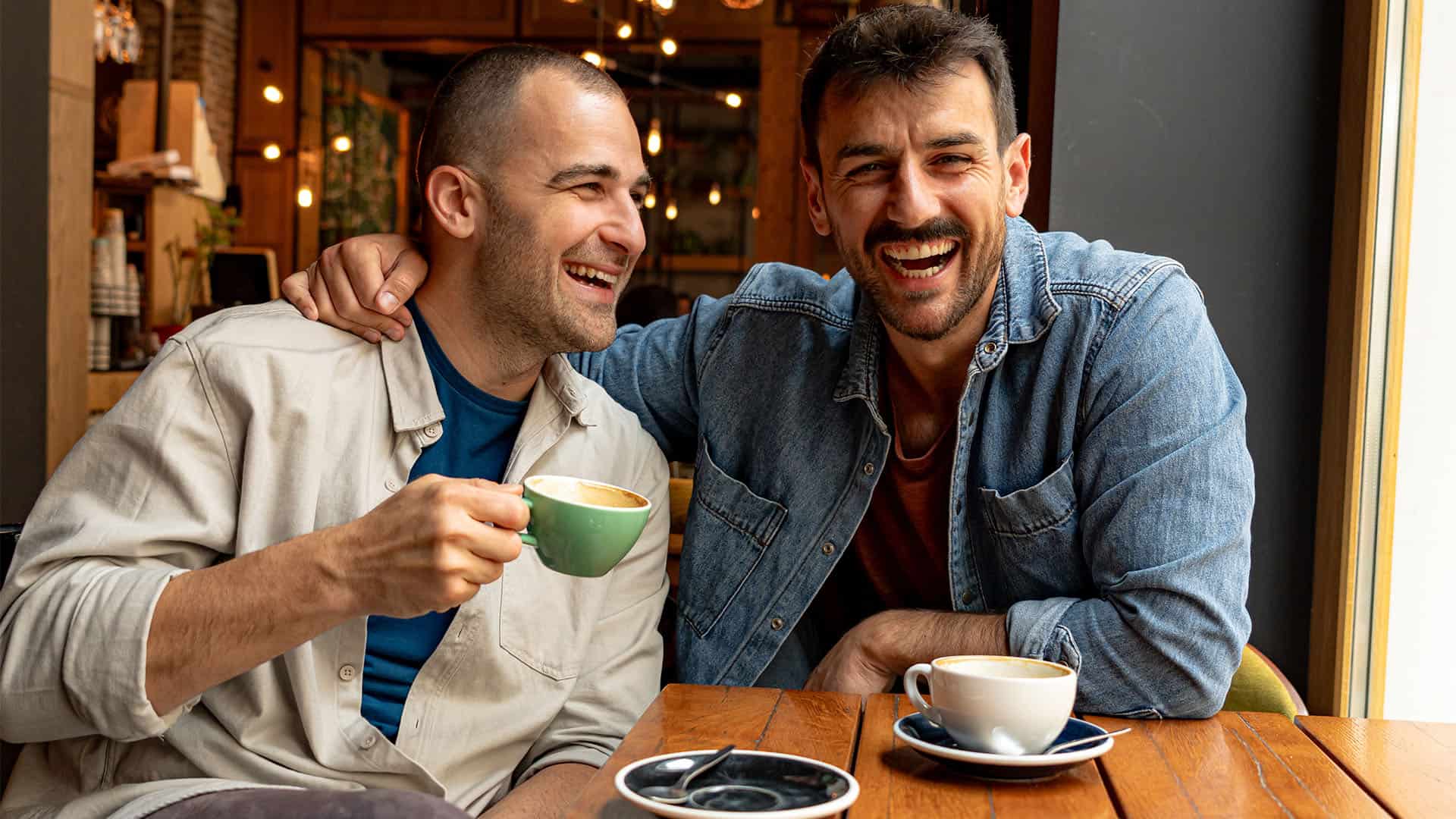
Many men don’t realize something is off until loyalty quietly disappears when it matters most.
There’s a weird moment a lot of guys experience when they hit in their 30s and on. You look around and realize your friendships don’t look like they used to. Some friends have stuck around, but not always for the reasons you thought. And suddenly you start noticing things you should’ve seen years ago, like tiny excuses that add up and guys who are always around, until you need them, and it can be difficult to tell if someone is a true friend. Let’s look at some subtle ways to weed out the fakes.

The reality of male friendships after your 30s
There’s a reason so many men hit a “friendship slump” in their 30s and 40s. Life gets busy with work deadlines, relationships, mortgages, and kids. As an adult, the number of friends people keep tends to shrink, and what matters shifts from quantity to quality.
Men, on average, tend to have fewer deep friendships than women, and their friendships rely more on shared activities than emotional support. Men may grab beers or watch the game together, but conversations that get real, the kind where you talk about stress or fear, are rarer and often tougher to reach.
And it’s a lot more important than it might seem on the surface. Time spent with friends correlates with purpose and psychological well-being, meaning that shaving down real friendships can hit you in more ways than missing a weekend hangout. Adult male friendships require intention, and if you don’t consciously pay attention to them, they can quietly hollow out.
Friendship red flags to watch out for
You don’t have to assume every drifting friend is a fake one, but there are patterns that should make you pause and evaluate people and your connection with them, especially before you’ve emotionally invested too much.
One red flag is that they only show up when it’s easy. Real friends show up when it’s convenient or not. If a guy is around for a night out but suddenly disappears when you’re sick or need a hand, that’s a red flag.

The next red flag to watch for is when your interactions feel one-sided. Does it feel like 80% of conversations revolve around their problems and life, and 20% about yours? That imbalance reinforces a dynamic where your emotional needs never really matter, and in that case, it’s not much of a friendship at all.
Next, look out for people who gossip or undermine you. You get the “harmless joke” about your job, or your goals, and then later hear they repeated it or used it to get laughs. A friend should defend your reputation, or at least not erode it for cheap laughs.
Another red flag is if they only hit you up for favors. The guy who vanishes for weeks, then hits you up to borrow cash. If a friendship is more transactional than relational, it’s worth questioning how authentic it is and what their true reasons for coming around are.
Be sure to keep an eye out for those who don’t respect your boundaries. A real friend respects your life outside the friendship. If a friend constantly pushes boundaries, that’s disrespect disguised as needs. You might not get the utmost respect from every friend, but they should feel like a net positive, not a drain.
How to build stronger, more intentional friendships
So now you see the red flags, how do you build the kind of friendships that don’t show those signs? You can start off by being intentional with your time. Friendships simply take time. Whether it’s a weekly walk or a gym session, scheduling time together is important.
Next, you want to talk about the stuff that matters. You don’t have to overshare, but meaningful friendships involve vulnerability. Open up about frustrations or losses. Most guys want deeper connection, they just don’t know how to initiate it.

Then, work on setting respectful boundaries with others. Saying “I can’t always do last-minute plans” isn’t rude; it’s honesty. Friends who care will respect that. Healthy friendships are respectful.
It’s also important to be the friend you want to have. This one sounds cliché, but it’s true. Kindness and honesty are predictors of better adult friendship outcomes. If you bring honesty and support, you attract people who value you back.
You can also diversify your social circle. Some guys share hobbies, some share values, some are there for deep talk, and others for certain social occasions. Having a range reduces pressure on any one person to fill every emotional need, and that’s healthy.
Takeaway
Fake friends might not be easy to spot right away. That’s what makes discernment so important. As you get older, the friendships that matter most are the ones that show up with respect and reciprocity. People grow apart, and connections drift, so it isn’t always malicious. But patterns of one-sided effort and loyalty based on convenience become easier to spot if you understand what signs to look for.
It seems like we gain more responsibility and less spare time as the years go by, so invest your energy where it’s actually returned. Strong male friendships are ones with clear intention and integrity.