
Colman Domingo’s leadership style is something anyone can borrow
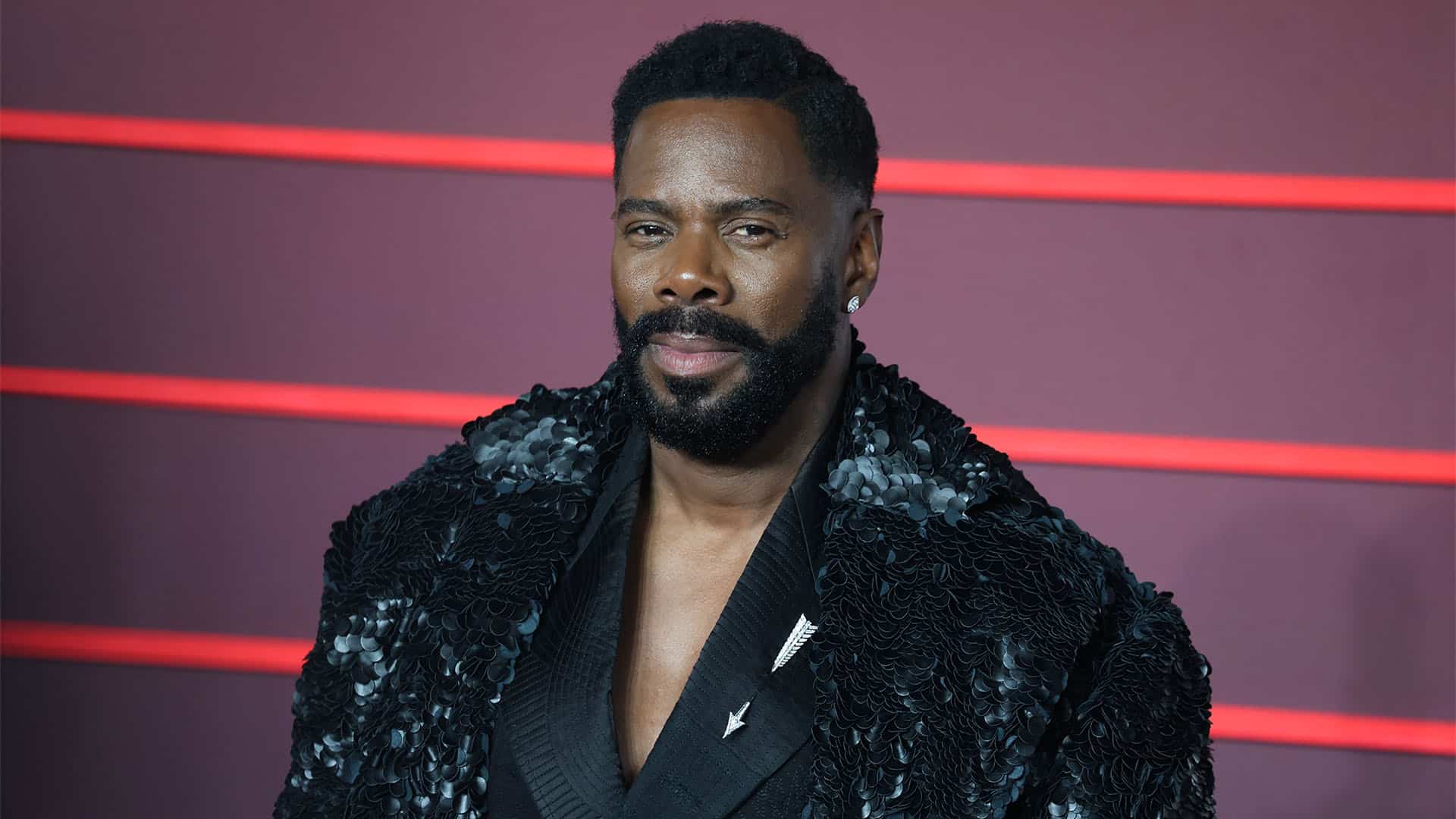
His approach to The Four Seasons offers a lesson for anyone leading a team.
Colman Domingo has spent years being directed by legends such as Steven Spielberg, Ava DuVernay, George Wolfe, and Steven Soderbergh. When he finally took the chair himself on season two of Netflix’s The Four Seasons, he arrived with a clear philosophy, a cast of comedy heavyweights, and zero interest in hearing the word no.
What he absorbed from all his career was something far more transferable than technique: a belief in the people around him. The best directors, he told The Hollywood Reporter, share one quality above everything else: an overarching commitment to trust. Talented people should be encouraged to do the job they were hired to do. “That’s what I want to do with my entire cast and crew,” he said. “I want people to make choices and come up with ideas and decisions.”
He brought that same energy to The Four Seasons, stepping into the director’s chair for the season two premiere, the first time he had directed an episode he was also starring in. The cast around him, Tina Fey, Will Forte, Kerri Kenney-Silver, and Marco Calvani, are all multi-hyphenates in their own right. That, for Domingo, was the point. A room full of people who all know how to make things is an invitation. “You’ve got to be the captain of the ship,” he said of a director’s duty. The job is to hold the room together while everyone brings their best into it.
Directing himself
Taking on both roles simultaneously was a specific professional challenge, and Domingo was frank about the mechanics. He built a schedule that allowed him to switch between actor and director quickly, kept a monitor nearby to check playback mid-scene, and leaned on his showrunners for feedback on his own performance when he could not step back far enough to evaluate it himself.
What surprised him was how much he enjoyed it. Directing a half-hour comedy turned out to suit him in ways he had not expected. His theater background gave him a baseline confidence in timing, and he knew that with a cast like this, the floor was already high. The work became about finding the emotional truth underneath the jokes, which is exactly what he does as an actor anyway.
The one thing worth taking from this
The line that stays with me from the interview is the one about not liking to hear the word no. Domingo did not deliver it as bravado. It reads more like a man who has spent enough time in rooms to know what kills good work, and has decided not to allow it.
Most people default to one of two modes at work: they either push their own agenda without listening, or they defer so much that their best ideas never make it out of their heads. Domingo’s approach sits in the space between. He comes in prepared, knows what he wants, and creates an environment where others feel free to bring their best, too. That combination, confidence without ego, authority without control, is harder to pull off than it sounds, and most workplaces are starved of it.
The practical takeaway is straightforward. Before your next meeting, project, or collaboration, ask yourself whether you are walking in as someone who builds on what others offer or someone who waits to shoot things down. Domingo’s career suggests that those who consistently choose the former end up running the room, whether they hold the title or not.