
A Reddit tire blowout story had drivers talking—here’s how to avoid the situation

The driver made it safely to the shoulder, but the photos raised questions about what really causes tires to come apart.
A post in r/mildlyinfuriating showed the aftermath of a tire that came apart while the original poster was driving on the highway. The images showed a shredded sidewall and tread separation, the kind of damage that immediately got other drivers talking about what causes a tire to fail this way and whether it could have been prevented.
The post racked up hundreds of comments within a day, and the discussion split into two camps fairly quickly. OP confirmed they were able to get the car safely onto the shoulder and swap in the spare, then pushed back against the early diagnosis, saying they check their pressure regularly and that the failure happened on a hot day on a rough road.
The top response noted that the damage appeared consistent with sidewall failure from low tire pressure rather than a sudden, random explosion. Several others piled on, with one explaining that underinflated tires develop cracks in the sidewall, and once one crack splits, the rest of the structure falls apart. A commenter who said they work at a tire shop backed that up, adding that a tire runs too low for too long, eventually overheating and eventually overheating until the sidewall gives out entirely.
The original poster did not fully accept that explanation, and a few others sided with them, agreeing that heat and a rough road could be enough on their own. A tire that took some kind of impact and was already running a bit low on air is not likely to need much else to go wrong.
A separate side conversation was sparked when the original poster mentioned they live in Arizona. Several commenters said tires sitting in extreme heat can degrade even when the tread looks fine, and one mentioned a tire blowing on a car that had simply been parked in the sun for a couple of years.
My honest view
The tire in the photos is a Michelin, and that detail matters more than it might seem. Michelin is a top-tier premium tire, and the sidewalls are built to a higher standard than most budget brands, so a sidewall failure on a tire like that points to a specific cause rather than a manufacturing issue. These tires are engineered to absorb normal road stress without coming apart on their own.
Three explanations fit the evidence. The first is a slow pressure loss that went unnoticed, caused by a small puncture or a leaking valve. A tire can drop from the ideal PSI in days or weeks, but drivers should notice it.
The second is a road hazard, such as a pothole or debris, that damaged the internal cords of the sidewall without causing an immediate flat. A tire can hold air for days after that kind of hit, then fail later under heat and load, often far from where the actual damage happened.
The third is age. As the comments indicated, the tire was made in 2022. It is not old by standards, but in a climate like Arizona’s, three to four years of sun and heat exposure is enough to dry out the rubber compounds and weaken the sidewall even on a tire with plenty of tread left. Combine that with slightly low pressure and a hot day, and the failure in these photos starts to make a lot of sense.
Some commenters mentioned a possible TPMS failure, but it is less likely. Most systems are calibrated to trigger an alarm when pressure drops around 25% below the recommended level. That is a significant pressure loss, and even if the sensor was wrong, driving on an under-inflated tire usually means the car is constantly going sideways, and the driver needs to make constant corrections, which can be noticeable for every experienced driver.
How to avoid a tire blowout
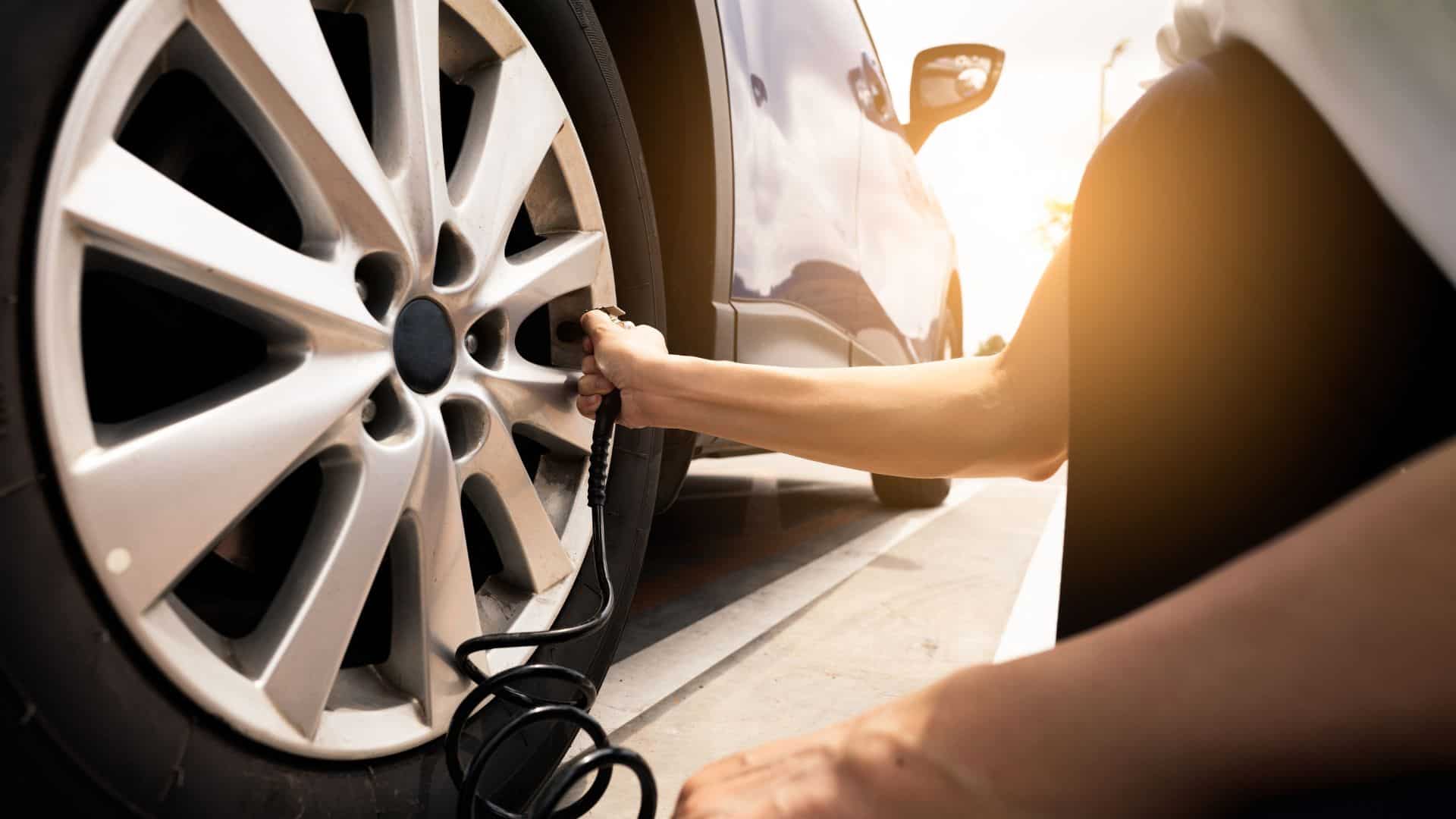
Once a month, check the pressure before driving, and compare it to the number on the driver’s door frame, not the number printed on the tire’s sidewall. A tire gauge costs about $ 10 and takes less than 5 minutes to check the pressure on 4 tires. If a tire is consistently a few PSI lower than the rest, that is worth investigating.
Sidewalls are also worth a quick look after hitting a pothole or curb. Bulges, cracks, or any patch that looks different from the rest of the tire may indicate the internal structure is already damaged, even if the tire is holding air normally. For tire age, the rule of thumb is to replace at six years regardless of tread depth, and sooner in hot climates. The four-digit code stamped on the sidewall indicates the week and year of manufacture, and it is worth checking.
If there is one habit worth adopting from this thread, it is the monthly pressure check with a gauge, on all four tires plus the spare. It is the cheapest five minutes in car ownership, and it is the one thing that would have caught this failure long before it happened on the highway.