
Man wonders if he’s wrong for refusing to drive with his friend because she screams at full volume when startled
He offered to pay for her gas if she drove herself, and she lost it. Commenters say the real issue is what a sudden scream does to a driver.
A passenger’s reactions are part of every car ride, from the offhand comments to the sudden gasp when traffic gets tight. Most people learn to live with them, and some friendships are strong enough to survive a lot of white-knuckle moments. A 23-year-old on Reddit hit his limit after three rides with a friend whose scream, he says, is loud enough to leave his ears ringing, and now he is asking whether refusing to drive her makes him the problem.
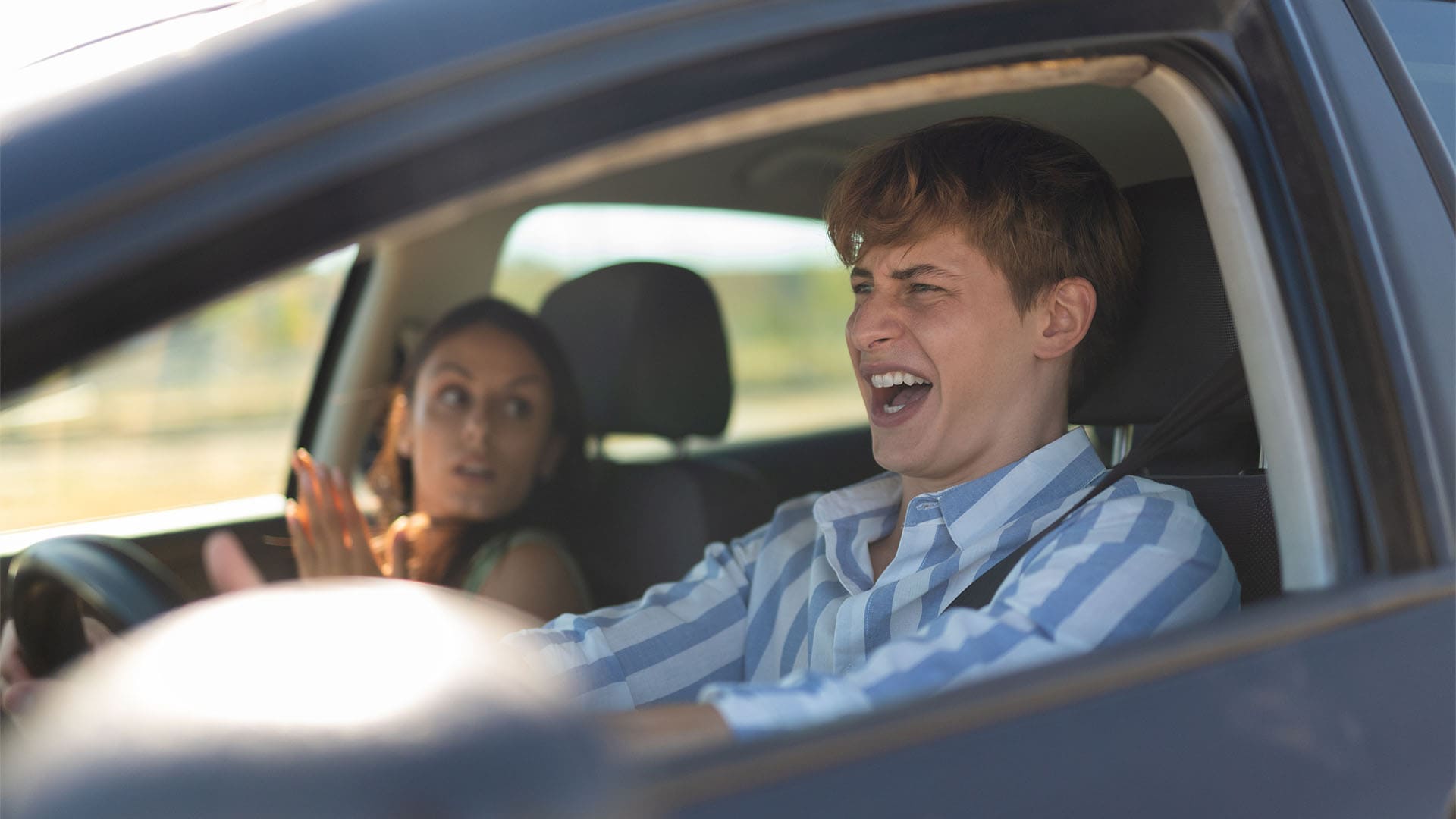
He says he has a friend who screams at ear-shattering volume whenever she is startled. It lasts a solid four to five seconds, and it has happened three separate times while he was driving, usually when another car cut them off. His ears ring for several minutes afterward, people in public stare at them, and he says the rest of their friend group has talked about it too. Apart from this, he describes her as a good friend and an awesome person.
He says he fears an accident because the scream is so jarring while he is behind the wheel, and an enclosed car makes it louder. He admits he is convinced she does it on purpose, though he allows that even if she does not, it makes his blood boil.
After the third incident, they planned to visit a mutual friend who lives about half an hour away, even though the two of them live a few minutes apart. She wanted to carpool, and he first made excuses before telling her honestly that he does not want her in his car while he drives. He offered to pay for gas if she drove herself, and he told her gently but firmly that it is a safety issue. She lost it, and they had a huge fight. He wants to know whether he is in the wrong, what he should have done instead and what to do now, since he does not want to lose the friendship.
What Reddit said
Several readers questioned the friendship itself. One wrote, “You may have been friends for some reason in the past, but you should re-examine that. This woman sounds completely exhausting, and as some wise commenters pointed out, dangerous.” The word “dangerous” carries the weight here, since the argument centers on what happens when a loud noise hits someone who has to keep a car on the road.
Another reply focused on how the conflict unfolded. “She’s so insufferable. He offered an alternative and she still chose to turn it into a fight. He did the right thing driving with her is unsafe.” The poster did not simply refuse and leave her stranded, because he gave her a workable way to get there, and she took the offer as an attack.
Someone spoke from personal experience, which gave the thread its most balanced take. “I say that as someone with a painfully hair-trigger startle reflex who does often involuntarily yelp when caught unawares. But 4-5 seconds of screaming? Whether or not that’s involuntary, it’s simply not safe to deal with when you’re driving. She needs to get treated for PTSD or whatever is going on with her, but until then she needs to expect that her carpool privileges do not extend to putting her friends in jeopardy.” Even someone with the same reflex agreed that the length and volume go well beyond a normal yelp, and that such a reflex deserves a professional’s attention.
Why a startle scream is a safety issue in a car
A driver’s attention is a limited resource, and a sudden, extremely loud noise in a small space can break it for a moment. That is exactly the moment when someone cuts you off, so the scream tends to arrive at the worst time. The enclosed cabin makes it louder, and the ringing he describes afterward shows how hard it hits the ears.
It also helps to separate intent from effect. He believes she does it on purpose, but a startle response is a reflex, and for some people it is stronger than average, sometimes because of past trauma or anxiety. Whether or not she controls it, the safety concern stays the same, so the best conversation avoids debating motives and sticks to what happens in the car.
Raise it in a calm moment, away from the plans that caused the argument, and focus on what the two of them can do about it. If he hasn’t already, he can say he values the friendship, repeat that the rule is about safety, and suggest options like separate cars, her driving, or meeting at the destination.
Setting a boundary with a friend does not have to end the friendship, as long as it comes with a clear reason and a path forward. If she gets support and the reaction improves, the carpool question can be revisited. Until then, his refusal protects both of them and everyone else on the road, and he has done what a good friend can reasonably do by offering an alternative.