

Most homeowners skip these 5 maintenance tasks — until the $10,000 bill arrives
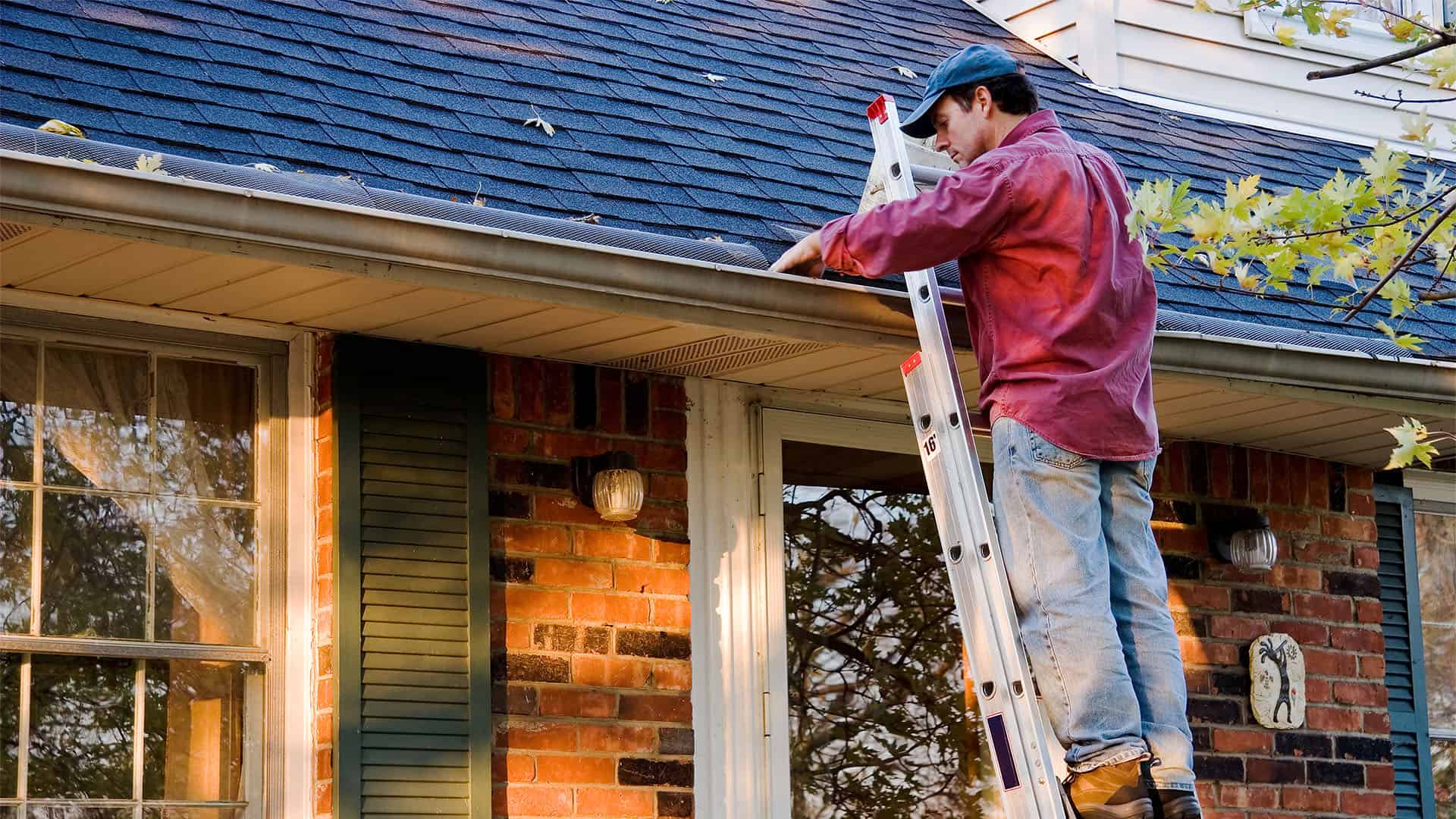
You probably have at least one of these problems right now. Each one gets more expensive every day you wait.
Most people treat home maintenance the same way they treat going to the dentist. They know they should do it. They keep putting it off. Then something fails at the worst possible time, and the bill reflects every month they ignored it.
The five tasks below take a few hours total and cost almost nothing to handle now. Left alone, any one of them can turn into a four-figure repair.
Worn door seals are draining your energy bill
Run your hand along the edge of a closed exterior door on a cold day. Feel air moving? That’s your heating bill leaking outside. Worn weather-stripping is one of the most overlooked sources of energy loss in homes, especially in houses built before 2000.
Replacing the seal around a door takes twenty minutes and costs around $10. Doing nothing means your HVAC system runs longer every single day to compensate. Over a full year, that adds up to $200 or more, depending on your home size and climate. Test every exterior door and window. Press a piece of paper into the closed gap. If it slides out with no resistance, the seal needs to be replaced. Do this every autumn before heating season starts.
Blocked gutters can destroy your foundation
Gutters are invisible when they work and catastrophic when they don’t. A clogged gutter forces water to overflow at the joints, run down the siding, and work its way toward the foundation. Homeowners have paid $5,000 or more for water damage remediation that started with nothing but leaves. Clear them twice a year, in late spring and late autumn, after the leaves have dropped. Ladder, gloves, garden hose. An hour for most houses.
While you’re up there, look for sagging sections or white mineral streaks at the joints. Those spots need resealing before they separate. A tube of gutter sealant runs about $10 and can save you from a much bigger headache.
Skipping water heater maintenance shortens its life by years
Most homeowners have no idea that a water heater needs maintenance. It sits in the utility room and works until it doesn’t. What’s happening inside is sediment buildup, mineral deposits from hard water, collecting at the bottom of the tank year after year. That sediment acts as a heat barrier. The unit works harder, uses more energy, and wears out faster. A water heater that should last 15 years might give you 9 if you never flush it. Replacement runs $500 to $1,200 installed.
Flushing takes thirty minutes once a year. Attach a garden hose to the drain valve, run it outside or to a floor drain, open the valve, and let it clear. If your heater is more than 5 years old and you’ve never done this, it needs to be done this weekend.
Bad bathroom caulk leads to serious wall damage

The caulk line around your tub, shower, and kitchen sink is the barrier between water and your walls. When it cracks, pulls away, or turns black with mold, water can get behind the tile and into the structure. You won’t see it happening. You’ll see the bill.
Bathroom wall damage from failed caulk can run $3,000 to $8,000 to fix properly. Re-caulking takes one afternoon. Score out the old material with a utility knife, clean with rubbing alcohol, apply a fresh bead with a caulking gun, smooth it with a wet finger, and leave it for 24 hours. Total materials: under $20 at any hardware store.
Dead detectors put your household at risk
Press the test button on every smoke and carbon monoxide detector in your home. No beep means a dead battery. Weak beep after a new battery means replace the unit. Carbon monoxide detectors expire after 5 to 7 years. Check the manufacture date on the back. Many households are running on units that have been out of service for years. A new detector is $20 to $40. What it protects is worth considerably more.
Five tasks. One Saturday morning. Total materials cost under $50. The cost of skipping any one of them can run into the thousands.
The homeowners who never get hit with surprise repair bills aren’t more skilled than anyone else. They just do the small things before they become big ones.