

People are going to Greece and skipping this Mediterranean island — but they might be missing the point
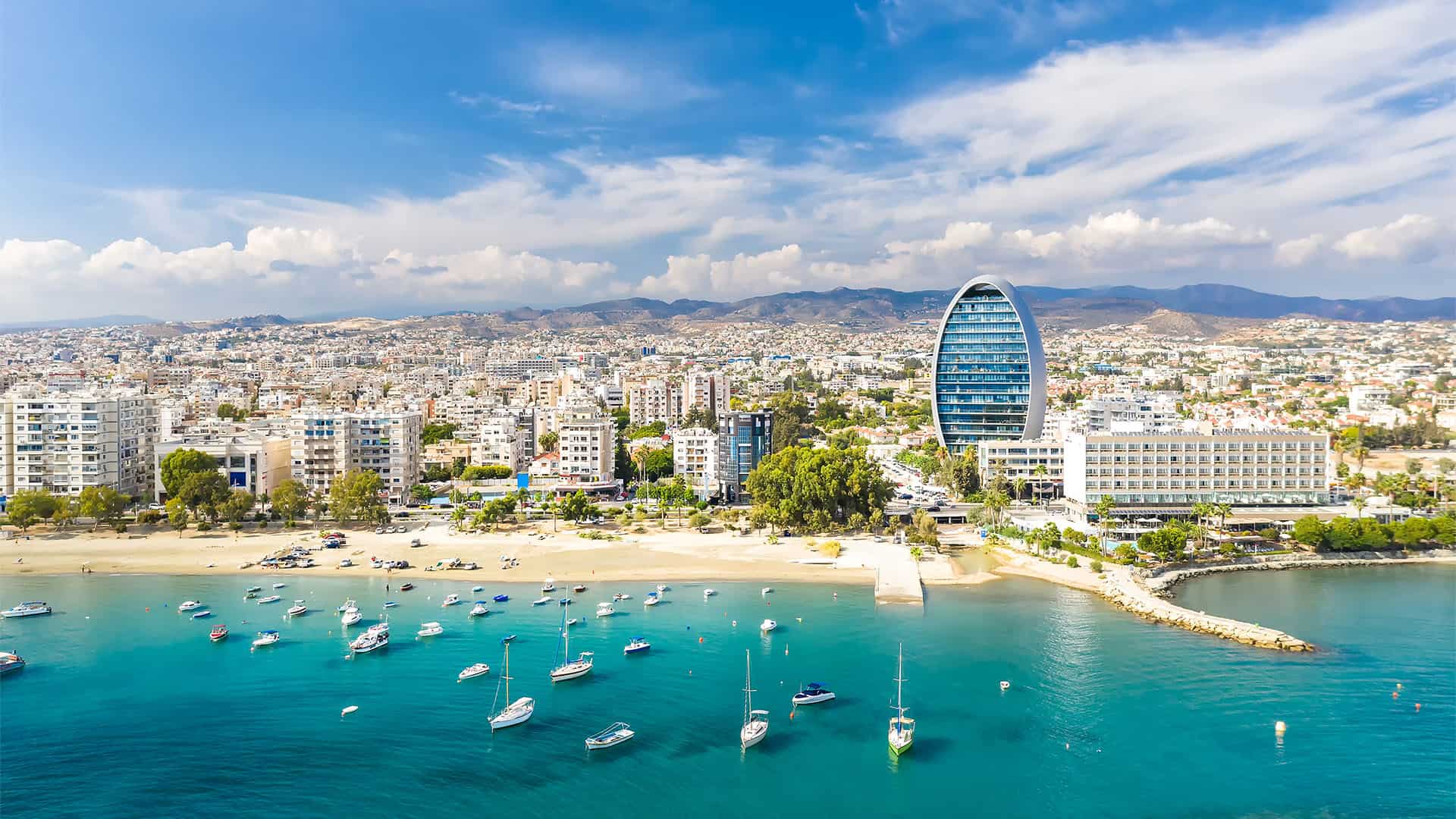
That’s starting to change, but slowly. And for travelers willing to look beyond the obvious Greek island circuit, Cyprus offers something increasingly rare in the region: space, variety, and a mix of cultures that doesn’t feel packaged for tourism.
Every summer, the same travel pattern repeats itself. Flights fill up to Santorini, Mykonos, and Crete. Instagram feeds become a cycle of whitewashed buildings, cliffside pools, and sunset dinners overlooking the Aegean.
But just a short flight away, another Mediterranean island is still sitting slightly outside the mainstream spotlight — Cyprus. And despite being geographically close to Greece and sharing many cultural and culinary similarities, it often gets left out of the conversation entirely.
A Mediterranean island with its own identity
Cyprus is often casually grouped with “Greek islands,” but that simplification misses what makes it distinct. While Greek influence is undeniable in language, food, and culture, the island has its own identity shaped by layers of history, including Ottoman, British, and Middle Eastern influences.
That mix shows up everywhere, from architecture to cuisine. A single day can shift from traditional tavernas serving grilled halloumi and mezze to modern beachfront restaurants that feel closer to Dubai than the Cyclades.
One of the biggest reasons travelers default to Greece is its coastline, and Cyprus doesn’t fall short in that category. In fact, many visitors are surprised by just how extensive and varied the beaches are.
From the calm, family-friendly waters of Protaras to the wilder cliffs around Akamas Peninsula, Cyprus offers a coastline that still has pockets of space even in peak season. Nissi Beach near Ayia Napa is often the most photographed, but just a short drive away, quieter stretches appear where the water turns almost unreal shades of blue.
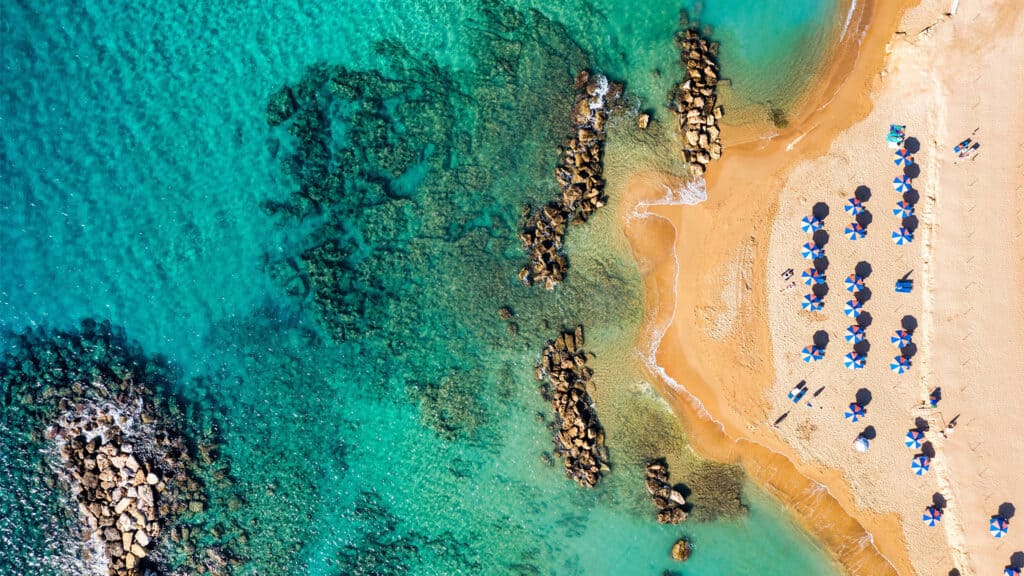
The key difference is density. While some Greek hotspots struggle with peak-season overcrowding, Cyprus still offers moments where you can find long stretches of sand without constant competition for space.
What to see in Cyprus
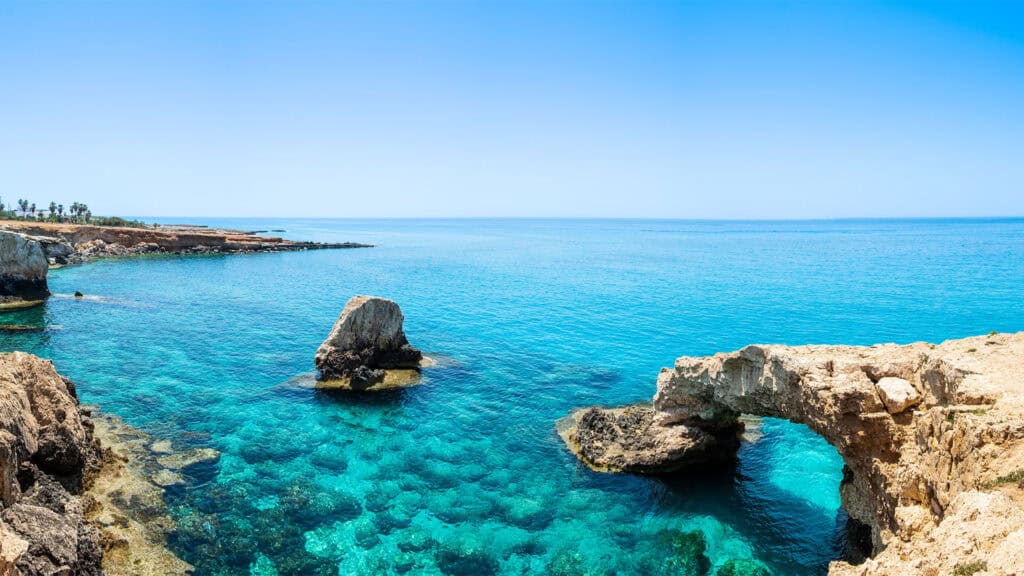
Cyprus is not just a beach destination. One of its biggest strengths is how easily it combines coastal living with history, culture, and nature.
In Paphos, one of the island’s most atmospheric coastal cities, you’ll find a mix of modern seafront life and deep historical layers. The UNESCO-listed Archaeological Park features Roman mosaics among the best-preserved in the Mediterranean, while the nearby Tombs of the Kings offer a dramatic cliffside setting that feels far removed from typical resort tourism.
Paphos also works well as a base for a more elevated stay. In recent years, luxury apartments and modern villas with sea views have become increasingly common, especially in coastal developments, such as this beautiful private rooftop pool penthouse. It’s the kind of place where you can spend the morning exploring ancient ruins and the evening watching the sunset from a private terrace overlooking the Mediterranean.
Further inland, the Troodos Mountains offer a completely different experience. Traditional villages, Byzantine churches, and winding roads through pine forests make it one of the most underrated parts of the island for those looking to step away from the coast entirely.
For something more energetic, Ayia Napa and Protaras deliver a very different rhythm; beach clubs, nightlife, and long sandy beaches that attract a younger, more social crowd during the summer months.
Value, space, and less seasonal pressure
Another factor to consider is value. While prices across Southern Europe have risen sharply in recent years, Cyprus still tends to offer slightly more flexibility in accommodation, dining, and rentals compared to the most in-demand Greek islands.
There’s also less seasonal compression. Whereas places like Santorini or Mykonos feel intensely seasonal (crowded for a few peak months and quiet outside them), Cyprus maintains a more stable year-round rhythm due to its larger size and diversified economy.
For travelers looking for Mediterranean weather without full-scale tourism saturation, that difference matters.
Why Cyprus is still underestimated
Part of the reason Cyprus remains under the radar is simple perception. Greece dominates Mediterranean travel branding, and its islands are deeply embedded in global tourism culture.
Cyprus, by contrast, doesn’t always get framed as a “bucket list” destination in the same way. It is often treated as an alternative rather than a first choice, a label that doesn’t fully reflect what the island actually offers.
But that perception is slowly shifting as travelers begin prioritizing space, authenticity, and variety over purely iconic destinations. Cyprus may not have the same global travel branding as the Greek islands, but that is increasingly part of its appeal. It offers similar weather, a similarly beautiful coastline, and rich Mediterranean culture without compromise on space or pace.
For travelers willing to look slightly beyond the usual Greece itinerary, Cyprus is no longer just an alternative. It’s becoming a destination in its own right.