

Plants you can easily grow in your garden this summer — even as a total beginner
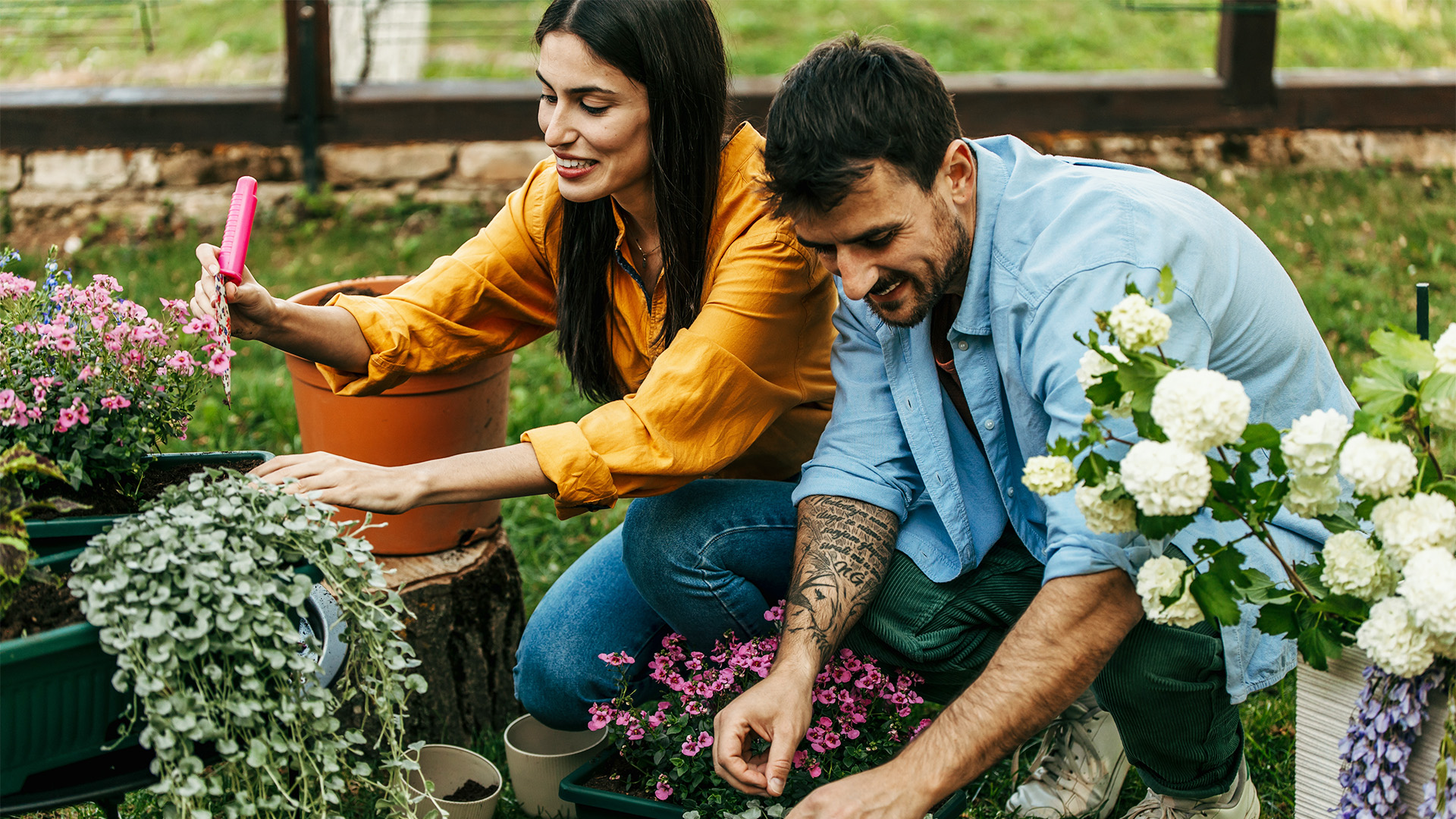
I’ve tried all of these plants at some point, not as a trained gardener but as someone starting with very little knowledge and a fairly simple goal: see what actually grows without constant intervention.
Starting a garden is often overcomplicated. Most of the difficulty people imagine comes from advanced techniques, not the basics. In reality, many plants grow well with minimal intervention as long as a few conditions are met: decent soil, regular watering, and enough sunlight.
Warm temperatures and longer days create ideal conditions for growth. Below are some of the easiest plants to start with, along with practical guidance on how to actually grow them successfully.
Basil
Basil is one of the simplest herbs to grow, especially in warm summer conditions. It thrives in sunlight and responds quickly to basic care, making it ideal for beginners who want visible progress.
To grow basil, start with either seeds or a small nursery plant. Place it in a pot or directly in the ground where it receives at least 6 hours of sunlight per day. The soil should be well-draining but kept slightly moist, not dry, not soggy. Water it regularly, especially during hot days, but avoid overwatering.
Once the plant reaches about 15–20 cm in height, you can start harvesting leaves from the top. Regular trimming actually encourages fuller growth, so the more you pick, the better it tends to grow.
Lettuce
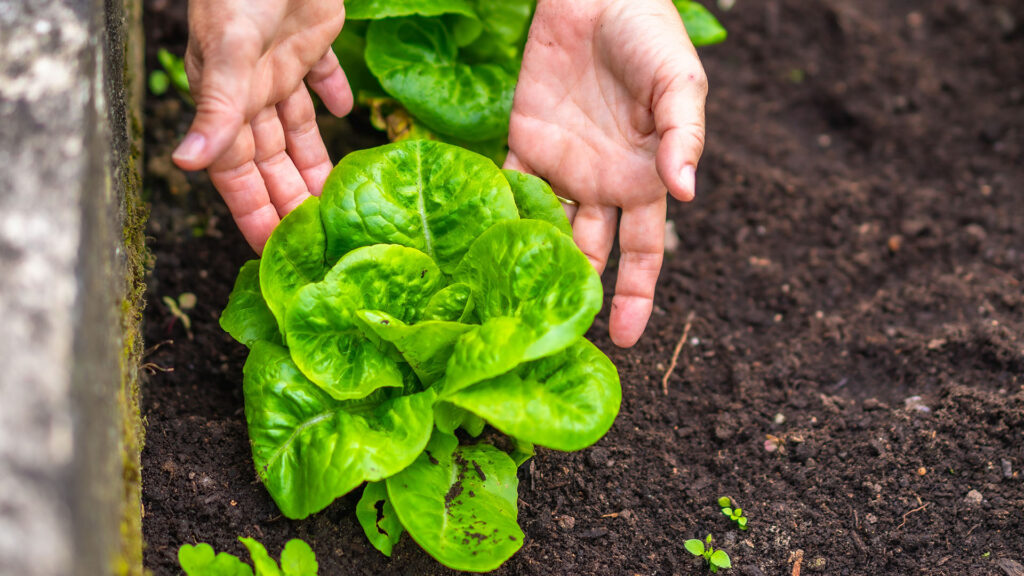
Lettuce is one of the most forgiving leafy greens and grows quickly in summer, especially in partial shade where it’s not exposed to intense heat all day.
You can grow lettuce from seeds directly in the soil or in shallow containers. Scatter seeds lightly over the soil surface and cover them with a thin layer of soil. Keep the soil consistently moist during germination, which usually takes about a week.
Once the leaves start developing, you can begin harvesting outer leaves while leaving the center intact. This allows the plant to keep producing new growth over time, extending your harvest without needing replanting.
Radishes
Radishes are often recommended for beginners because they grow quickly and require minimal maintenance. Plant the seeds directly into loose soil about 1–2 cm deep, spaced a few centimeters apart. Water gently after planting and keep the soil evenly moist during growth. They prefer full sun but can tolerate partial shade.
Radishes don’t like overcrowding, so thinning seedlings early helps improve results. In about 3–5 weeks, you’ll typically see them ready for harvest. The key is not to overthink them. Once planted, they mostly take care of themselves.
Cherry tomatoes
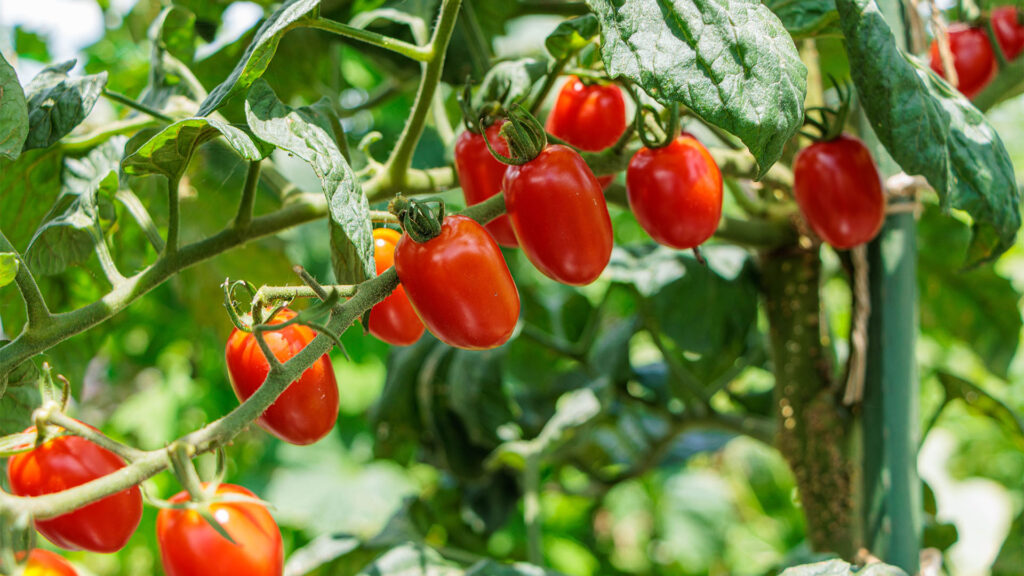
Cherry tomatoes require slightly more attention but are still very beginner-friendly and highly rewarding. Start with a young plant rather than seeds if you want simpler results. Place it in a sunny location with at least 6–8 hours of direct light per day. Use a pot with drainage or well-prepared garden soil enriched with compost.
As the plant grows, it will need support such as a stake or cage. Water consistently at the base rather than over the leaves to reduce disease risk. Once flowers appear, small tomatoes will begin forming and continue producing throughout the season if conditions are stable.
Mint
Mint is extremely easy to grow and often spreads aggressively if planted directly in soil, so containers are usually the safest option. Plant mint in a pot with rich, moist soil and place it in partial sun or light shade. It grows quickly with minimal effort and doesn’t require strict feeding schedules. Water regularly, especially in hot weather, as mint prefers consistently moist soil.
You can start harvesting leaves once the plant becomes established. Regular cutting encourages new growth and prevents it from becoming too leggy.
Zucchini
Zucchini is one of the most productive summer vegetables and grows quickly once established. Plant seeds directly into warm soil, ideally in a sunny location with plenty of space, as zucchini plants spread significantly. Place seeds about 2–3 cm deep and water thoroughly after planting. Keep soil consistently moist, especially during flowering and fruit development.
As the plant grows, it will produce large leaves, then eventually flowers, and eventually fruit. Harvesting regularly encourages continued production and prevents the plant from becoming overloaded.
Beginner gardening works best when it stays simple. Once they start growing, the process becomes intuitive, and small daily care quickly turns into visible, rewarding results.