
Is it actually worth to get a PPI done before buying a used car?
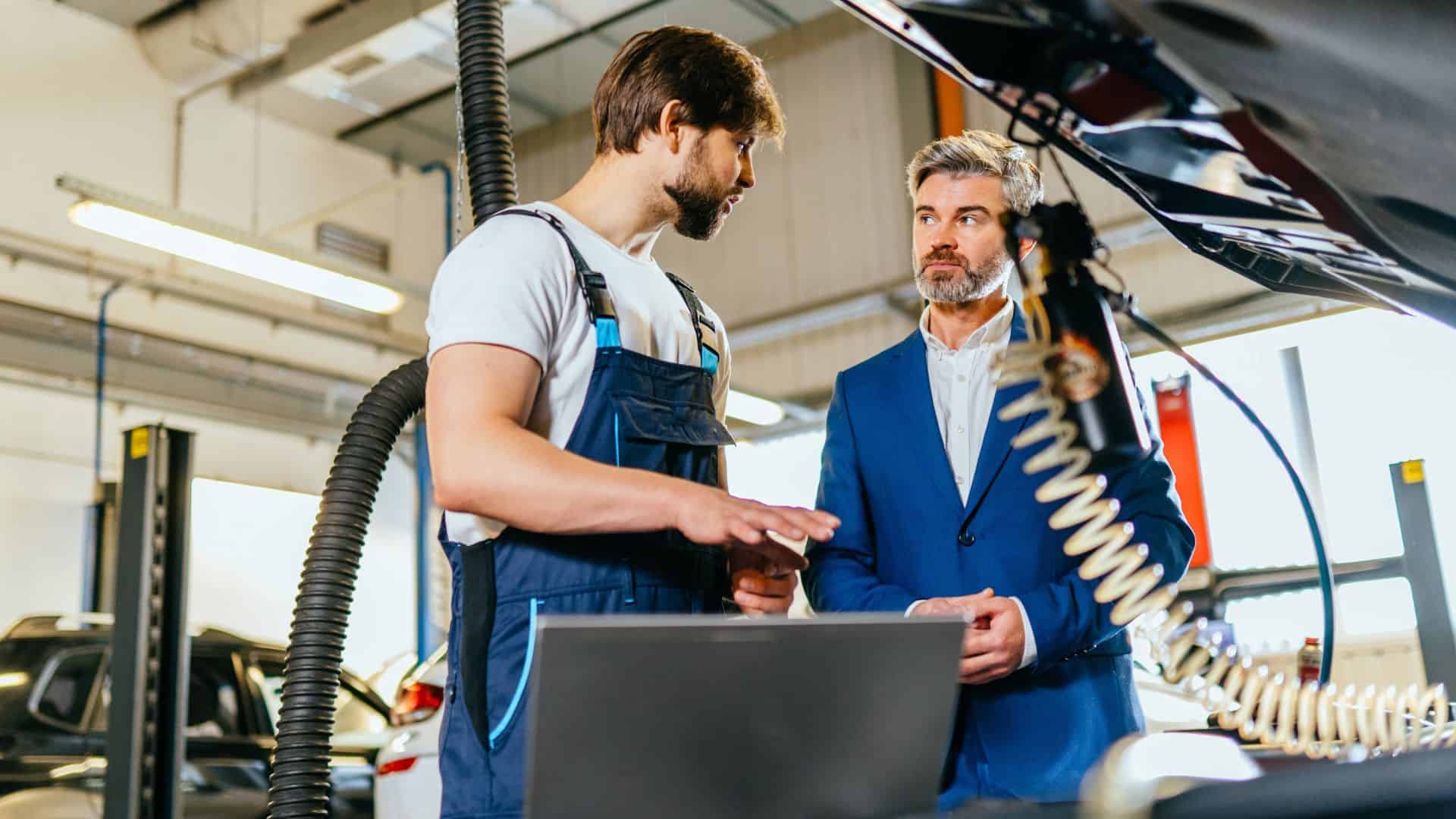
An extra inspection cost can feel unnecessary, right up until it saves you from inheriting someone else’s expensive problem.
Buying a used car can feel like a gamble, no matter how clean the listing looks. Between polished photos, confident sellers, and dealership promises, it’s easy to assume a car is in better shape than it actually is. That uncertainty is exactly why more buyers are debating whether a pre-purchase inspection is a smart safeguard or just another unnecessary expense added to an already expensive process.
Why so many buyers swear by a PPI
A recent Reddit discussion asked drivers how many of them actually get a PPI done before buying a used vehicle, and the responses painted a pretty clear picture that people who have been burned before almost always recommend them. Several mechanics in the thread explained that a proper PPI is far more detailed than most buyers realize. A good inspection is not just somebody glancing under the hood for five minutes. Especially if you don’t want to be a statistic in a used car scam.
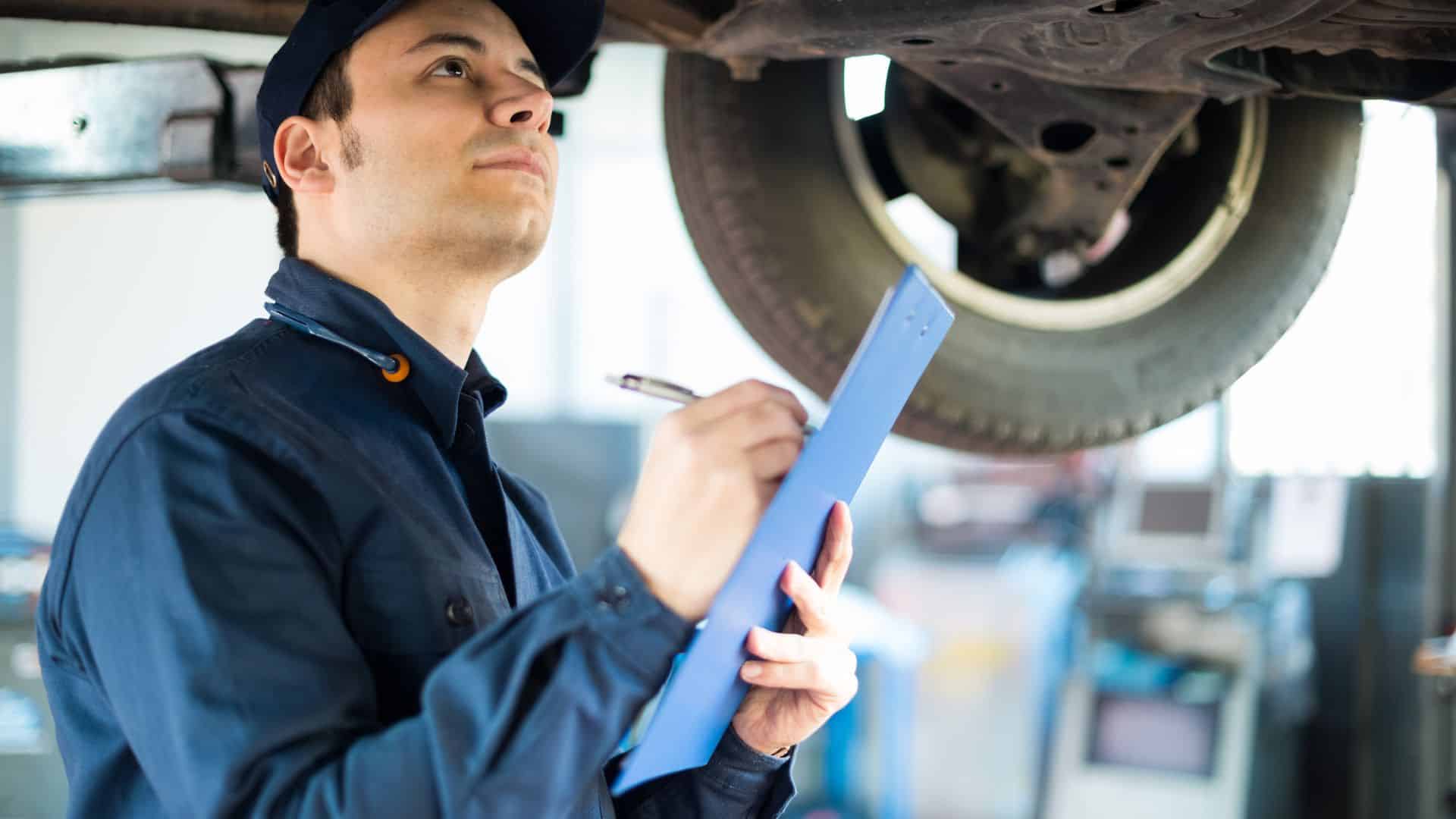
Shops usually check for leaks, suspension wear, hidden accident damage, fluid levels and quality, uneven tire wear, transmission, brake condition, warning codes, and signs that the car has been poorly maintained. They can also find out whether the car has been in a serious crash and rebuilt from scrap, which is a common scam to sell insurance written off cars for some profit.
One mechanic in the thread said if somebody is only charging $50–$70 for a PPI, “they are not checking everything.” Most commenters agreed that a worthwhile inspection usually costs closer to $150–$200 because shops often spend a full hour or more carefully going through the vehicle.
One commenter shared that a $175 inspection on a BMW M3 revealed nearly $10,000 in immediate maintenance needs. That’s really the biggest value of a PPI. Sometimes the inspection helps buyers avoid a terrible car entirely, while other times it becomes a negotiation tool that lowers the final price enough to pay for itself immediately.
Why plenty of people still skip them
Even with all the success stories, many used-car buyers still never bother getting inspections done. Part of that comes down to convenience. Coordinating a PPI can be annoying, especially if the vehicle is far away or buyers are trying to move quickly before someone else buys it. Some commenters in the Reddit thread also admitted they simply trust their own knowledge enough to inspect vehicles themselves.
A few experienced buyers said they have purchased multiple used cars over decades without ever getting a PPI and have had mostly positive experiences because they research reliable models carefully and know what warning signs to look for. That confidence can absolutely help, but modern cars are also harder to judge casually than they used to be. Sellers can temporarily clear engine codes before showings, fresh detailing can hide leaks, and some transmission or engine problems only appear after longer driving periods.
A mechanic in the Reddit thread pointed out that people often sell vehicles just before major maintenance is due. Another shared stories about customers bringing recently purchased cars into the shop only to discover thousands of dollars in repairs waiting for them. Most people aren’t mechanics, and expensive problems are not always obvious during a quick test drive around the block.
A seller refusing a PPI should make buyers cautious
One of the strongest themes throughout the Reddit discussion was how sellers react when buyers ask for PPI. Multiple commenters said they immediately become suspicious if a seller refuses to allow the vehicle to be inspected by an independent mechanic. Not every seller who refuses an inspection is dishonest, but transparency matters when thousands of dollars are at stake. Serious sellers who know their car is solid are usually comfortable with buyers verifying its condition professionally.
So, is a PPI really worth it?
For most buyers, the answer is yes. If you’re spending several thousand dollars on a used car, especially from a private seller or smaller lot, a PPI can be one of the best ways to get an unbiased opinion before committing. It’s also important to know what to check before buying from a private seller. Even commenters in the Reddit thread who felt confident enough to inspect cars themselves admitted they would still pay a trusted mechanic if something felt off.
At the same time, not every car purchase needs a full inspection. Some buyers in the thread said they skip PPIs on very cheap cars because the risk is already built into the price. Others only insist on them for performance, luxury, or high-mileage vehicles where repair costs can spiral quickly. But the overall takeaway from the discussion was pretty consistent. Most people rarely regret getting the inspection after problems are uncovered. They usually regret the opposite.