
Why men need hobbies beyond work and the gym

Work and fitness can build discipline, but hobbies can give men balance and a life that feels more complete.
Men today are often told to optimize everything. This can narrow life down to two main environments: work and the gym. Both can be positive outlets, but neither fully replaces having interests that exist outside of performance and responsibility. Over time, that starts to show up in burnout, boredom, emotional flatness, or the feeling that life has become repetitive, even when things are technically going well. Here’s what you need to know.

Work and the gym can’t carry your entire identity
I’ve seen many men build their routines around responsibility and self-improvement because the structure makes sense. And I get it. Work provides purpose and financial stability, while the gym offers routine, stress relief, and measurable progress. There’s nothing wrong with either one.
But it becomes a problem if those are the only pillars holding up someone’s identity. You can usually see it in everyday conversations. Some men can only talk about work stress, lifting, diets, productivity, or being tired. Their schedules are packed, but somehow their lives still feel narrow. That’s because productivity and physical discipline are not the same thing as depth.
Hobbies fill a different role. They create space where a person is not performing for a paycheck or trying to optimize themselves. A man learning photography, restoring an old car, collecting watches, cooking, hiking, golfing, or even crocheting is developing parts of himself that work and fitness don’t touch. These interests also make life feel less transactional. Not everything has to become a side hustle or a measurable goal.
Hobbies give men a healthier relationship with stress
I believe one of the biggest issues many men face today is that they never fully unplug mentally. Even outside work hours, the brain typically stays in performance mode. The gym can help relieve stress physically, but it still revolves around goals, metrics, and self-improvement. A Reddit post about a woman asking for hobby ideas for her husband in his early 30s captured this idea pretty well.
The OP explained that her husband didn’t really have hobbies anymore and wasn’t sure where to start. He used to enjoy video games growing up, but now associated them with drinking and was trying to move away from that. What stood out to me in the responses was how many men related to the feeling of losing touch with what they actually enjoy.
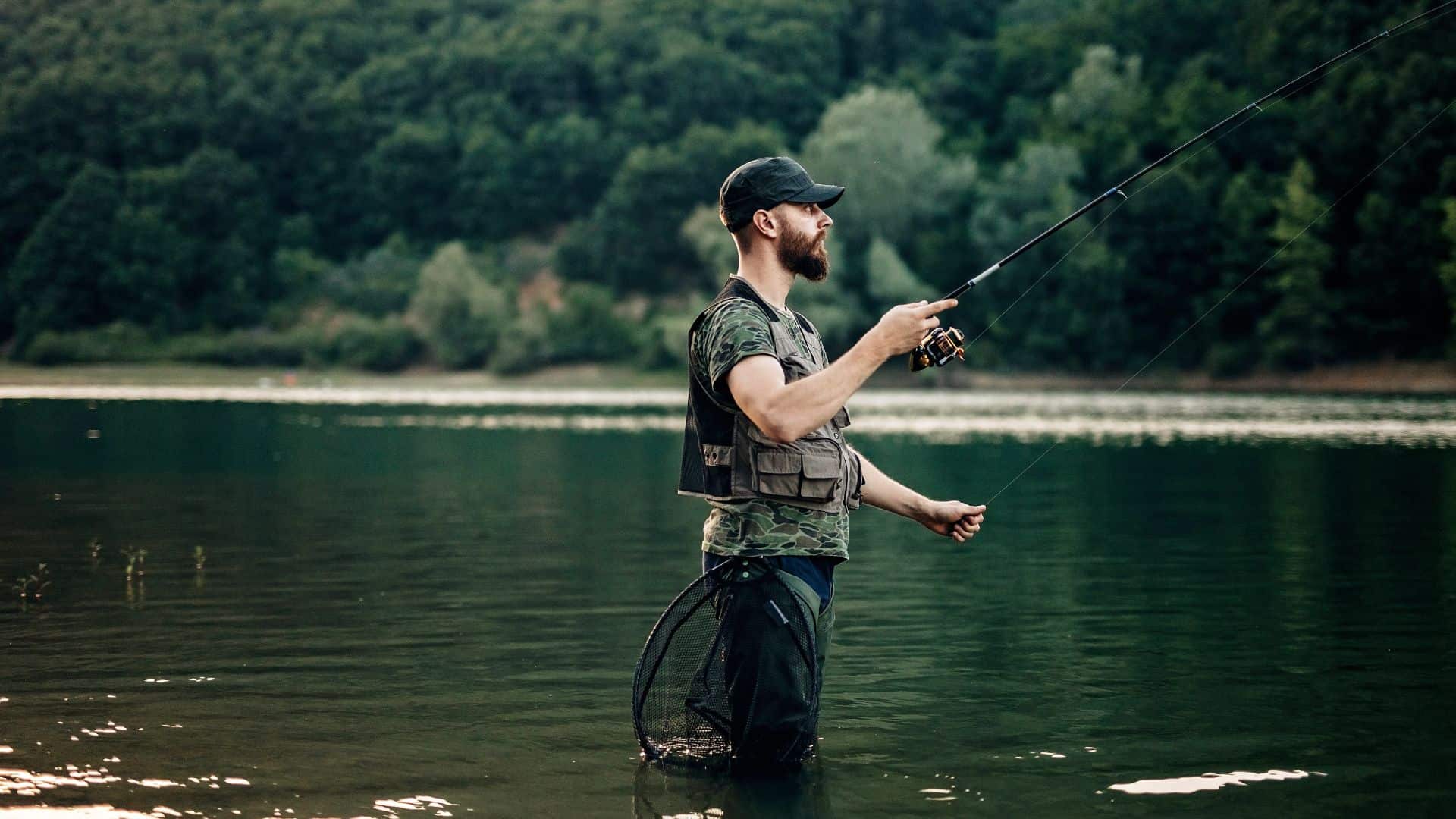
One commenter wrote that when most adults look at hobby lists, “your brain just kind of goes, ‘Nah’ to all of them,” before explaining that reconnecting with childhood interests like fishing, reading, fixing things, or collecting helped him figure out what still felt natural as an adult.
Another man said that starting to play baseball again had “genuinely increased my mental state and helped keep me sane.” A different commenter explained that after years of trying hobbies that didn’t fit, revisiting activities he loved as a kid finally helped things click again.
That’s really the point. Hobbies aren’t something you need to strive to be “impressive” at, so you can focus more on reconnecting with your curiosity. Cooking forces attention into the moment, working on cars creates tangible satisfaction, learning guitar, traveling, photography, or collecting records gives men something that exists outside responsibility and output.
Many millennial men grew up during the rise of hustle culture, learning that every hour should be productive. The result was that many became efficient and disciplined, but also burned out. Hobbies help correct that by bringing back creativity, exploration, and enjoyment without turning everything into another measure of male performance.
Hobbies make men more interesting and life more sustainable
One underrated reality I can share is that hobbies improve relationships because they give men more to bring into their lives beyond work and routine. Men who only operate between work and the gym can slowly become emotionally repetitive without realizing it. Conversations narrow, and some men disconnect or retreat into their man cave, which can signal something deeper. Life becomes predictable, and stress starts carrying more weight because there are fewer outlets for responsibility.
Hobbies create stories, perspective, skills, and social connections. These interests also create a healthier balance because not every source of identity is tied to performance or productivity.
Long term, that matters. Careers change, bodies age, and fitness goals evolve. But men who build fuller lives outside obligation tend to stay more grounded because they still have curiosity, enjoyment, and personal interests keeping them connected to the world around them.