
The “trad sons” trend explained — And why it reflects a broader cultural shift
From viral Jeopardy! Quize show stars to TikTok, young men are embracing the “stay-at-home son” trend online.
Scrolling through social media lately, you might notice a new trend of young men proudly calling themselves “trad sons.” It’s a mix of lifestyle choices and internet culture that sparks conversations about how men define success, independence, and masculinity today. Some are viral stars; others are everyday guys quietly embracing a role their parents might never have imagined.
The story
Brendan Liaw, a recent graduate from Vancouver, introduced himself on Jeopardy! Quiz show as a “Professional stay-at-home son,” and said it’s a “Pretty good gig if you can get it.. but I’m worried I’m going to be called a loiterer at some point.” Brendan’s candidness shows the humor and unconventional nature of this lifestyle, which has caught the attention of social media and pop culture.
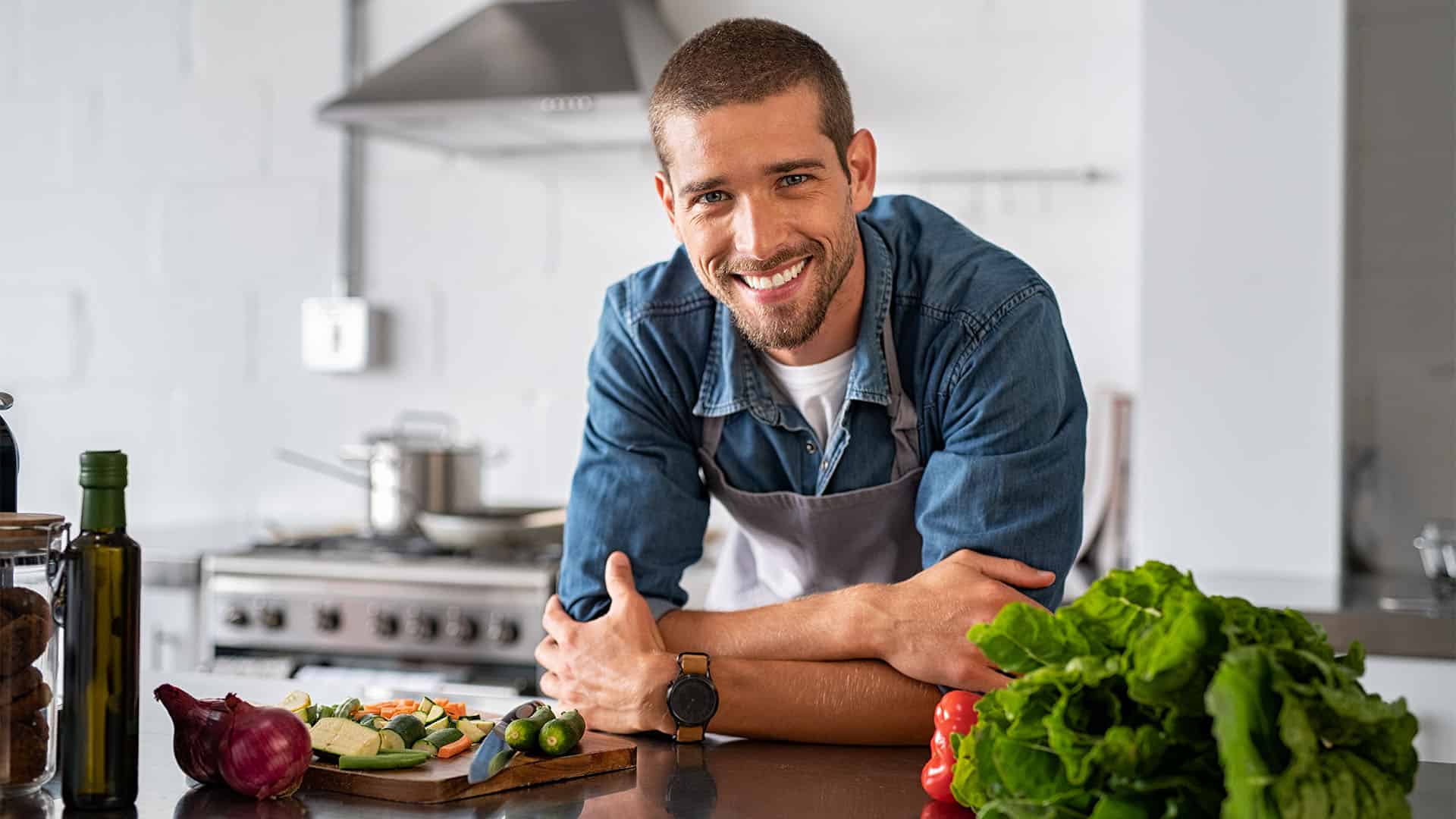
So, what exactly is a “Trad Son”? It’s essentially a modern twist on the stay-at-home role usually associated with a parent or partner, but in this case, it’s young men living with their parents while taking on domestic duties. They cook, clean, run errands, and otherwise contribute to the household, often while pursuing other personal interests or simply enjoying the setup.
Another example is Abdullah Abbasi, a Gen Z man who openly embraces the “stay-at-home son” identity and even turned it into a brand. He lives with his family and launched a clothing label called “Stay At Home Sons.” The brand leans into the identity with slogans like “Doing nothing is hard” and “Trust the fund.” He presents the lifestyle as aspirational rather than embarrassing, framing it as prioritizing family life and comfort over traditional career expectations.
This lifestyle isn’t as unusual as it might seem. In the U.S., about 32% adults ages 18 to 34 live with their parents, and men are more likely than women to occupy their parents’ basement. They combine lifestyle, humor, and identity in a way that’s both relatable and shareable.
Why it resonates
The trad son phenomenon is getting so much attention because these young men are trying to rebrand what society would otherwise label as “cringe” and normalize a more domestic role for their demographic. In a world of hustle culture and influencer-driven status, they’re flaunting a different kind of value system that emphasizes staying close to their “village” of people for help and prioritizes responsibility over traditional career ambitions.
There’s also an aspirational layer. Following viral examples like Brendan and Luke, young men online are celebrating skills that might seem more traditional or “old school,” like cooking and maintaining a well-kept home. These are statements of self-discipline, pride, and a kind of gentlemanly competence that feels intentional rather than performative.
The bigger cultural implications
Beyond lifestyle, trad sons hint at a shift in how masculinity is being defined by younger generations. With traditional male roles under scrutiny, young men are experimenting with ways to express competence and identity outside of the office or gym. As Brendan jokingly noted, the “professional stay-at-home son” gig is both a pretty good one and a socially unconventional one.
But staying at home has mixed social effects. Many young adults say living with parents benefits their finances, but they’re less positive about how it affects their independence or social lives, a sentiment that echoes some of the “Trad Sons” confessions about dating or personal perceptions.
Trends like these are an example of how internet culture can turn niche behaviors into viral phenomena. They spark debates about class, privilege, and social norms, as not every young man can opt into this lifestyle. But they also offer insight into a broader craving for structure, domestic pride, and personal fulfillment as a way to merge nostalgia with modernity while navigating adulthood.
Takeaway
At its heart, the Trad Sons trend is more than just viral content or a TikTok joke; it’s likely a cultural mirror. These young men are redefining what it means to contribute, live independently, and express masculinity in today’s world. Whether you find it humorous, confusing, or aspirational, Trad Sons highlight the evolving landscape of identity, lifestyle, and gender roles.
Whether it’s cooking steak for Mom or just embracing a lifestyle that prioritizes household contribution, adulthood today for Gen Z is more about defining your own rules. This trend going viral is proof that even in a digital, hustle‑obsessed culture, there’s room for unconventional choices, and that redefining what it means to “grow up” can be just as viral as any meme.