
10 ways modern society is quietly redefining fatherhood
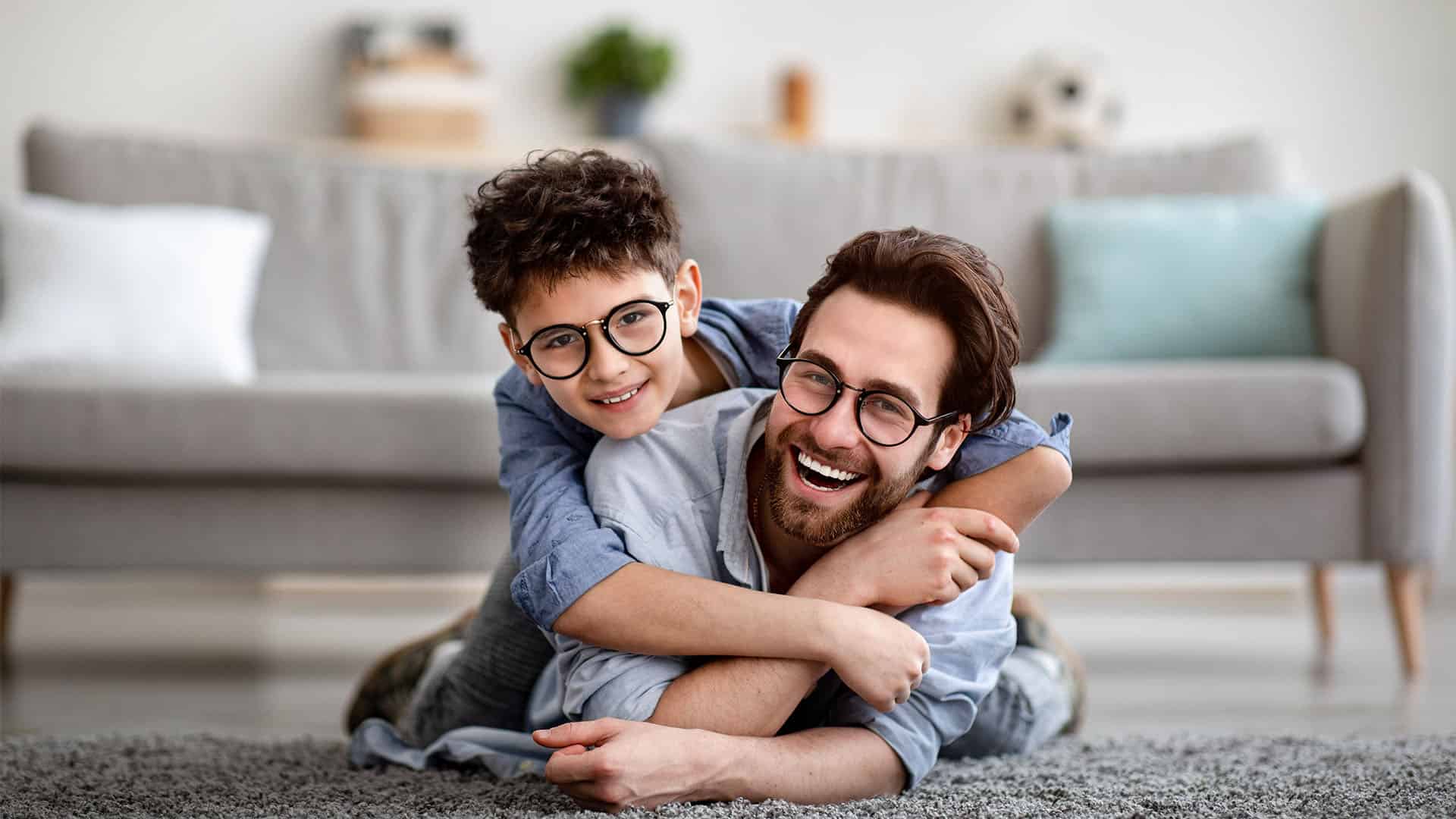
Family roles are evolving in modern society, and fathers are adapting.
Fatherhood looks different today than it did a few generations ago. Many of the changes are subtle, but they are happening in everyday family life. Expectations around dads, their roles, and how they support their families have steadily shifted over time. Work, culture, and changing family dynamics have all played a part.
1. Being present matters more than being the provider
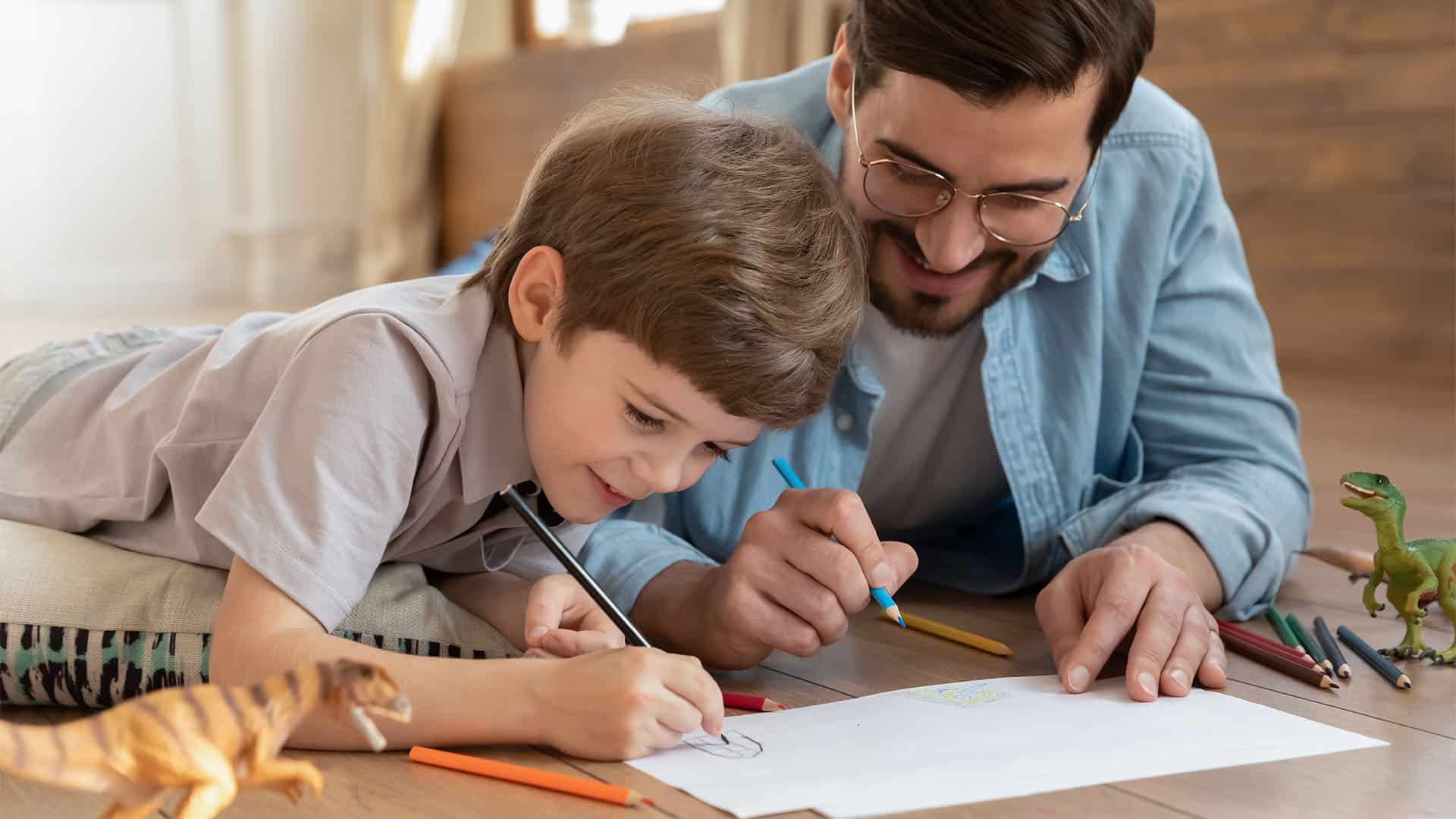
For decades, being a good dad was tied closely to income. That hasn’t disappeared completely, but it’s no longer the whole picture. Time has become just as valuable as money. Dads are being measured, fairly or not, by whether they show up for practices, doctor visits, school events, etc., not just by whether they pay for them. In many ways, consistency in those small moments now carries more weight than occasional big gestures that were once standard.
2. Emotional availability is no longer optional
There’s a growing expectation that fathers aren’t just present; they should also be emotionally engaged. Kids are encouraged to talk about feelings earlier in life, and dads are expected to be there, listen, and react. It is not easy for men who didn’t grow up seeing that model. But today, being emotionally present is seen as more of a necessity.
3. Work is being rebalanced against family life
The idea that a father’s job always comes first is starting to change. Remote work, flexible schedules, choosing the option closer to home, and changing priorities have made it easier for dads to be involved in their kids’ lives. At the same time, many are actively choosing to protect family time. Too many men regret not spending time with their families, and that gap is getting more attention.
4. Visibility of hands-on dads has increased
What used to happen behind the scenes only is now more visible. Social media, parenting platforms, and even advertising have made involved fatherhood easier to see in a positive light. Dads pushing strollers, handling daily tasks, and talking about parenting are no longer being portrayed as exceptions. This visibility helps drive change by resetting expectations of what people see.

5. Co-parenting has become more balanced
Parenting responsibilities are more evenly shared in many households, regardless of relationship status. Even after separation, co-parenting often involves active participation from both sides. The expectation that one parent takes on the majority of caregiving is increasingly being challenged. Fatherhood isn’t just tied to household structure anymore, but to involvement in general.
6. Stay-at-home dads are part of the picture
While still less common, stay-at-home husbands and fathers are no longer treated as outliers. Economic shifts and changing attitudes have made this setup more accepted. In some families, it’s simply the practical choice. The idea that caregiving is automatically the mother’s role is being questioned more openly, and that shift has made room for different versions of fatherhood.
7. Discipline is consistency, not authority
The traditional image of the father as the strict disciplinarian is fading. Discipline is now more often shared and approached with a different tone. Instead of focusing on control, many dads are part of a broader effort to create consistency and structure. That doesn’t remove the idea of authority altogether, but changes the way it’s implemented in everyday life.
8. Mental health is part of the conversation
There’s more openness around the pressures that come with being a father. Stress, burnout, and expectations are being discussed in ways they weren’t before, and dads are being told, “It’s okay, and you’re not alone.” While not every dad is having these conversations publicly, the stigma is easing. This is important as younger fathers navigate parenting with fewer fixed rules to rely on.
9. Involvement starts earlier than it used to
Fatherhood doesn’t begin at birth, the way it once used to. Many dads are more involved during pregnancy, from appointments to planning and preparation, and some men are even taking the time to prepare before pregnancy, since male fertility health has been found to matter more than previously thought. That early participation changes how the role develops over time. Plus, it creates a sense of responsibility and connection that starts before the child is even born.
10. There’s no single model to follow anymore
One of the biggest changes is the lack of a clear template. Fatherhood used to come with more defined expectations. Now, it’s more flexible and more open to interpretation. Some dads lean traditional, others take a different approach, and both are increasingly accepted because support is something on the rise as well. That flexibility creates more freedom, but it also means more responsibility to figure out what works.