
10 common reasons your car refuses to start and what to check first
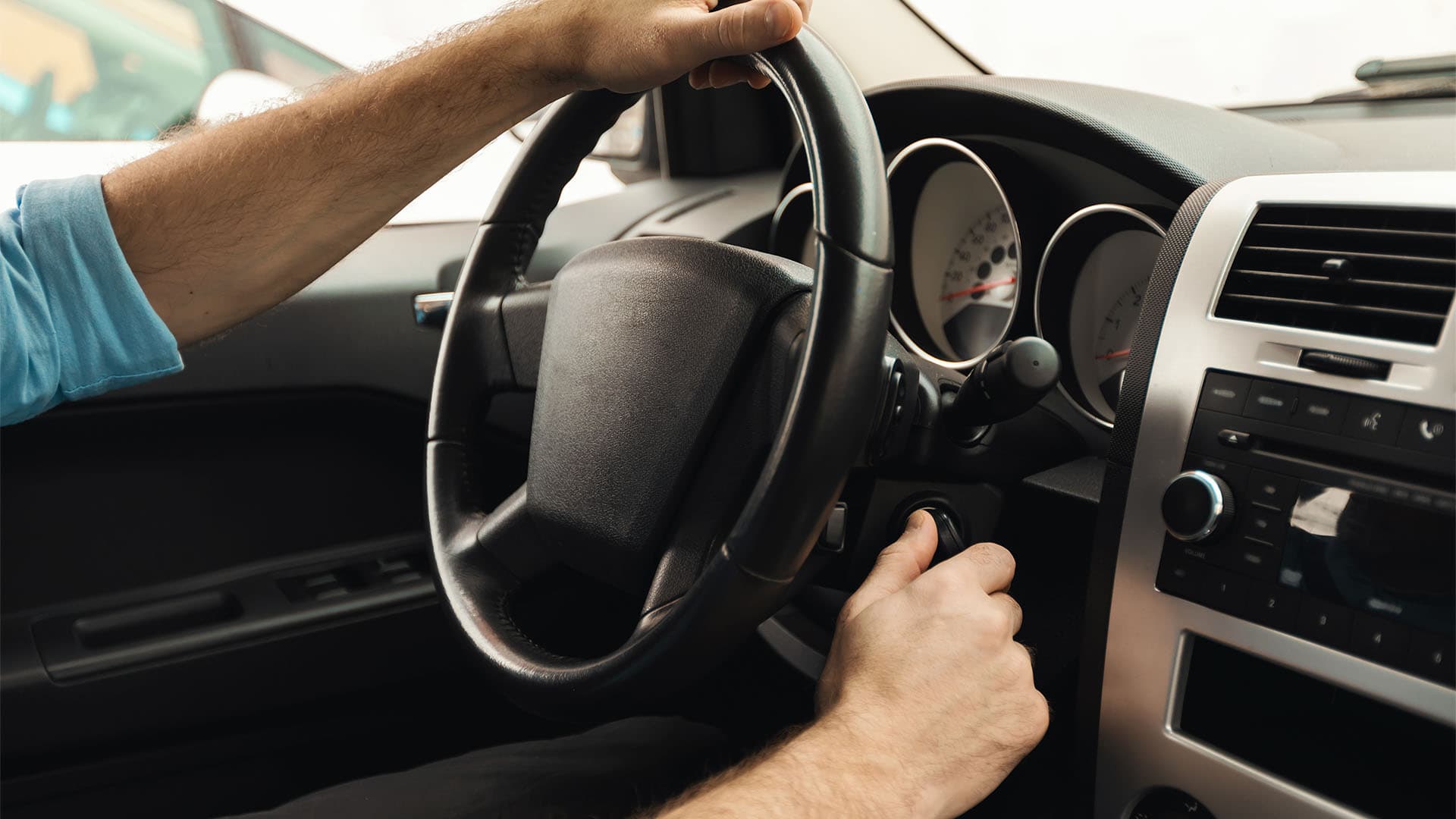
Before you call a tow truck, there are a few simple checks that could explain why nothing happens when you turn the key.
Most drivers have experienced it at some point. You get in the car, turn the key or press the start button, and nothing happens. The engine does not turn over, the dashboard may stay dark, or you might hear only a faint click. It is a frustrating situation, especially when you are short on time. After encountering this more than once, I put together a simple checklist. Based on that experience, these are the most common reasons a car refuses to start.
1. Dead battery
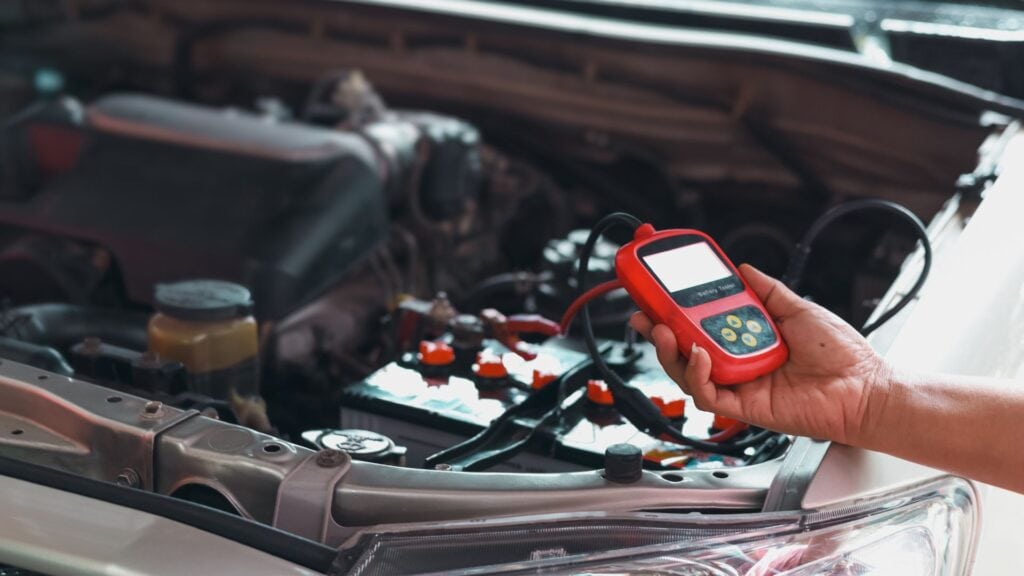
What it means: The most common culprit. Batteries die from age, cold weather, or being left on too long, for example, headlights overnight. Most car batteries last around 3 to 5 years, depending on the climate and driving habits. If you find that your car struggles to start in the morning, it is often an early indication of a weak battery.
How to tell: If you hear a click or get nothing when turning the key, your battery might be dead. Try turning on the headlights or dashboard lights. If they’re dim or don’t come on, that’s a strong clue.
What to do: Jump-start the car. If it starts, the battery is likely the issue, and the best thing to do is to have it tested at an auto parts store to see if it needs replacing. Just be aware that some hybrid vehicles can’t be jump-started the same way as regular cars. Check your owner’s manual before trying anything, or call for professional help if you’re unsure.
2. Loose or corroded battery terminals
What it means: Even a good battery can’t deliver power if the connection is bad. Corroded or loose terminals can interrupt the flow of electricity, preventing your car from starting even if the battery itself is fully charged. This is especially common in older vehicles because corrosion can build up over time from dirt and weather conditions. Newer vehicles tend to have better-sealed systems, but it’s still worth checking whether your car shows signs of power loss.
How to tell: Pop the hood and take a close look at the battery terminals. Corrosion looks like white, greenish, or bluish powder or buildup. Gently try moving the battery cables. If they wiggle or feel loose, that’s a red flag. Sometimes, if the connection is bad enough, you’ll even see sparking or smell a burning scent.
What to do: First, make sure the car is off and the keys are out of the ignition. Wear gloves and eye protection because battery acid is corrosive and dangerous. Clean the terminals using a wire brush or a proper battery terminal cleaner. After cleaning, reattach and tighten the cable clamps securely but not so tight that you damage the post. This small step can make a big difference, and it’s often the quickest fix to get your car going again.
3. Faulty starter motor
What it means: The starter is responsible for turning the engine over. When you turn the key or press the start button, the starter motor cranks the engine and initiates the entire ignition process. If the starter fails, the engine won’t turn over at all. It’s basically the link between your battery and engine, and no matter how strong your battery is, a dead starter means you’re going nowhere.
How to tell: When the starter is the issue, you might hear a single, solid click when you turn the key or nothing at all. In some cases, it might sound like rapid clicking or even grinding if the gear isn’t engaging properly. Jump-starting the battery won’t help if the starter itself is failing. Another clue is if your lights work fine, but the engine just won’t crank.
What to do: If you suspect the starter, try lightly tapping it with a tool like a wrench or hammer (gently!) while someone turns the key. This old-school trick can sometimes get a worn starter to engage one last time. But it’s a temporary fix at best. Starter motors wear out over time, especially in high-mileage cars. Replacing a starter isn’t too complex for someone who’s handy with tools, but for most people, it’s a job best left to a mechanic. Make sure the battery and connections are ruled out before spending money on a new starter.
4. Bad ignition switch
What it means: The ignition switch sends the signal to the starter motor and other essential systems. If it fails, your car won’t start because the electrical pathway is interrupted. This switch is essentially the gateway between your key and your engine.
How to tell: If your dashboard lights and radio turn on but the engine doesn’t crank, a faulty ignition switch could be to blame. You might also notice the key feels loose or turns without resistance. In some cases, the car may start intermittently or stall shortly after starting.
What to do: First, try wiggling the key gently or using a spare if you have one. Sometimes, the internal contacts wear out or get dirty. If you’re driving a car with a key fob or push-button start, and everything else seems functional, it’s likely still an ignition switch problem. Diagnosing it properly usually requires a mechanic, as the switch is often buried behind panels in the steering column. It’s not a DIY job unless you’re experienced with electrical components, but catching this early can save you from being stranded.
5. Fuel system issues

What it means: No fuel, no combustion. You might have a bad fuel pump, a clogged filter, or simply no gas. Believe it or not, one of the most common reasons a car won’t start is that the tank is empty. It happens more often than people think, especially if a fuel gauge is faulty or you misjudged how far you could go on “empty.
How to tell: The engine cranks but doesn’t start. If the pump is struggling, you might also hear a whining sound from the fuel tank area. If the fuel level is really low or the gauge is acting odd, it’s worth checking.
What to do: First, check the fuel level. Yes, even if you think you filled it. Listen for the fuel pump priming when you turn the key. If you don’t hear it, there might be an issue with the pump or its electrical connection. If in doubt, have the fuel pressure tested to confirm whether the fuel is actually getting to the engine. You might have a bad fuel pump, a clogged filter, or simply no gas.
6. Bad alternator
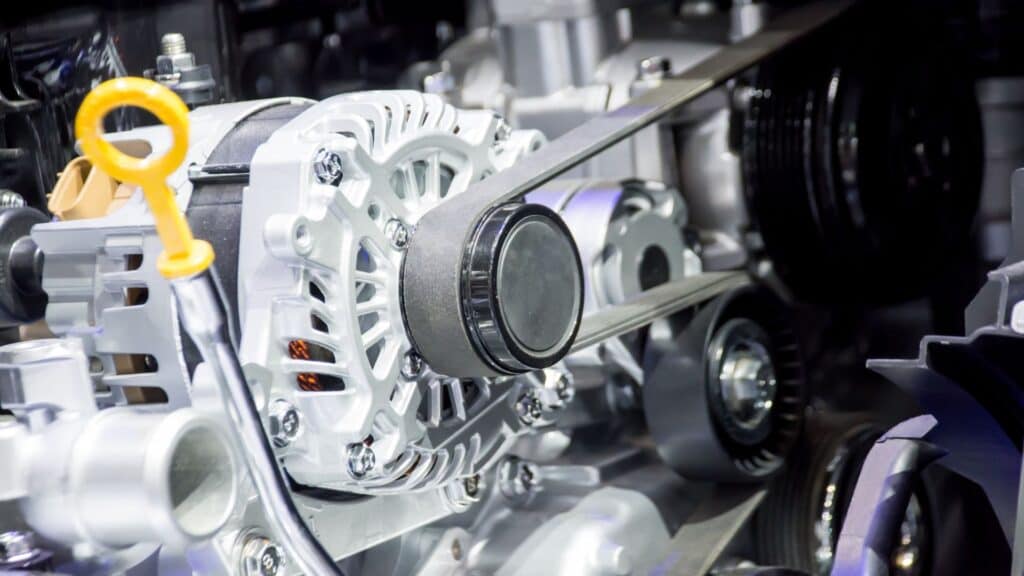
What it means: The alternator charges your battery while the engine is running and powers all of your car’s electrical systems. If it fails, the battery starts to lose charge fast, and the car will eventually die, even if the battery is brand new. This can happen slowly over time or suddenly.
How to tell: You might start the car fine, but it stalls quickly. You may also notice dim headlights, flickering dashboard lights, or strange electrical glitches. A common clue is the battery warning light on the dash. Don’t ignore it. If jump-starting gets the engine going, but it dies again shortly after, the alternator is a likely suspect.
What to do: Test the alternator output with a multimeter or take the car to an auto electrician. If it’s not putting out the correct voltage (usually around 13.5 to 14.5 volts), it needs to be replaced. Keep in mind that a bad alternator can ruin a good battery, so if you have replaced one, make sure to test the other.
7. Blown fuse or relay
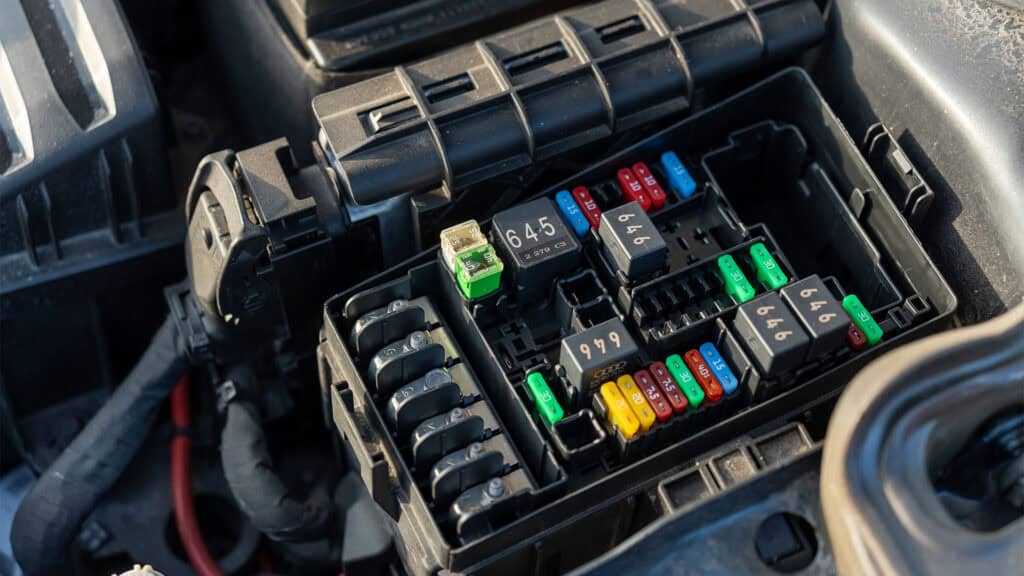
What it means: Modern cars rely on electrical circuits for everything, including the starting process. Fuses and relays act as protective switches that control power to components like the ignition system, fuel pump, and starter motor. When one fails, your car might not start even though everything else seems fine.
How to tell: If turning the key results in total silence or specific systems (like the fuel pump or ignition coil) not working, a blown fuse or bad relay could be the issue. In some cases, your dashboard lights won’t come on, or the engine won’t crank even though the battery is fine. This can also happen intermittently, making it tricky to catch.
Typical issues: Common fuse-related problems include a blown ignition fuse, a failed starter relay, or a fuel pump relay that stops sending power. Sometimes, the issue stems from corrosion or loose wiring around the fuse box.
What to do: Open the fuse box under the hood or dash and locate the diagram. Usually found on the box cover or in the owner’s manual. Identify the fuse or relay connected to the starting systems and check for visible breaks or discoloration. Replace any blown fuses with the exact same amp rating. If a new fuse blows immediately, there’s likely an underlying electrical problem that needs professional attention.
8. Faulty neutral safety switch

What it means: These switches are safety features designed to prevent your car from starting unless it’s in the proper position; ‘Park’ or ‘Neutral’ for automatics, and clutch fully pressed for manuals. If the switch fails or becomes misaligned, it breaks the starting circuit, and your car will act like nothing is happening.
How to tell: You turn the key, and there’s no crank, even though the battery is fine. If you’re driving an automatic, try shifting the gear lever from ‘Park’ to ‘Neutral’ and then attempting to start. For manuals, make sure you’re pressing the clutch pedal all the way down. If it suddenly starts after trying these tricks, it’s a strong indicator that you need to replace the switch soon.
What to do: Try starting the car in neutral instead of parking (automatic) or press the clutch pedal firmly to the floor (manual). If that works, the switch is likely faulty or misaligned. Sometimes, a simple adjustment can fix it, but in most cases, the switch will need to be replaced. It’s not the most expensive fix, but it can be frustrating when you don’t know what’s causing the problem. So, just keep this one in mind before assuming it’s something more serious.
9. Security system lockout
What it means: Your car’s anti-theft system might be preventing the engine from starting. This is especially common in newer cars that use smart keys and immobilizer systems. These systems are designed to block ignition if the car doesn’t recognize a properly programmed key or thinks someone is trying to steal it.
How to tell: You might see a flashing key icon or a padlock symbol on the dashboard. The engine may crank but not start, or it may not crank at all. Sometimes, you’ll hear rapid clicking or get a warning sound. This can happen after changing the battery, using the wrong key, or if there’s been an issue with the car’s electronics.
What to do: Try locking and unlocking the car with the key fob a few times. In some cases, you may insert the key into the door and manually lock and unlock it to reset the system. Best to check your owner’s manual because each make and model has a slightly different reset procedure. If all these fail, the issue may be with the key itself or a deeper problem in the security module, in which case you’ll likely need help from a dealer or certified locksmith.
10. Bad key or key fob

What it means: Some newer cars won’t start if the key fob battery is dead or if the transponder chip inside the key is damaged or not recognized. These keys don’t just unlock the doors; they communicate with your vehicle’s security system to authorize the start. If that signal doesn’t go through, the car won’t even try to start.
How to tell: The car may not respond when you press the start button or turn the key. You might see a warning light on the dashboard that looks like a key with a slash through it. Sometimes, the vehicle might say “Key Not Detected,” even when you’re holding it right in your hand.
What to do: Try the backup key if you have one. For push-start cars, hold the key fob right next to the start button or a designated emergency start spot (check your owner’s manual) to bypass a weak signal. If the car starts, replace the battery inside the fob. If that doesn’t help, the issue might be with the transponder chip or the car’s key recognition system, and you’ll likely need to visit a dealership or locksmith that can reprogram or replace the key. Keep in mind: dropping your key or getting it wet can damage the internals without you realizing it.
Don’t panic. Most problems can be diagnosed with a bit of observation and a few basic tools. Start with the battery because it’s the simplest fix. If that checks out, work your way down the list. Trust your senses: weird smells, strange sounds, or dashboard lights can all point you in the right direction. And always keep a basic tool kit and jumper cables in the trunk. Over time, the more familiar you get with your car, the easier it gets to spot trouble before it leaves you stranded. Remember, you don’t need to be a mechanic to figure out the basics.