
Theo James on hitting back at the Manosphere

The star explains why basic morality is no longer considered “cool” and how it impacts the next generation.
The term “manosphere” has been getting a lot of attention lately. It’s used to describe online spaces promoting masculinity and misogyny. Many people are beginning to wonder how these platforms influence men’s self-perceptions, self-worth, and relationships with others. Theo James recently added his voice to that conversation, explaining how trying to live up to certain ideas of what it means to be a man can be damaging for many.
Theo James is set to return to the big screen with his new movie “Fuze,” which will be released in cinemas nationwide on April 24. The film is a thrilling crime story about a World War II bomb that is discovered at a busy construction site in central London. It also features actors Aaron Taylor-Johnson, Gugu Mbatha-Raw, and Sam Worthington.
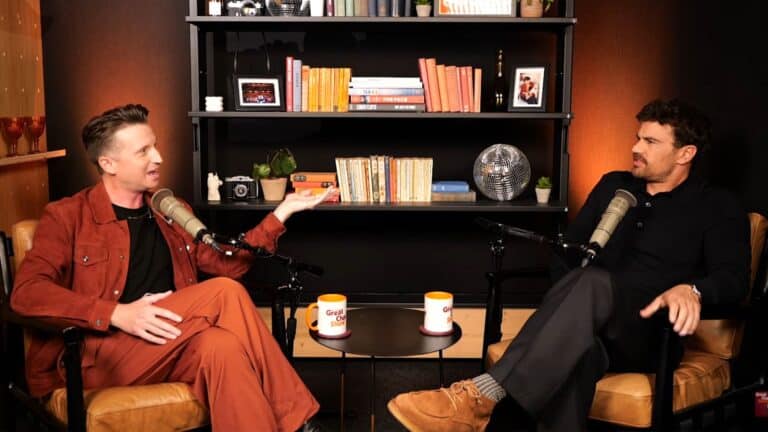
James recently appeared on Josh Smith’s Great Chat Show, where he discussed how modern culture influences what it means to be a man. In particular, Smith asked about the negative effects of toxic masculinity, especially with the rise of the manosphere.
James shared that the aggressive behavior people see online often comes from deep feelings of insecurity. He said, “Men who feel that they need to be performative or misogynistic.” He added that such men don’t feel good enough about themselves.
James further discussed how society tends to value money and status over good character. In a world driven by capitalism, many men believe that being incredibly rich and driving flashy cars is the only way to gain respect. As a father, James expressed concern about how these ideas influence the younger generation. He shared, “It’s terrifying for having a son because the people get lured into this idea, you know, very, very easily.” He pointed out that kindness and morality aren’t seen as cool anymore. Instead, he mentioned, “It’s cool to be like [ __ ] you, I earn loads of cash and bring it on [ __ ]”.
However, James warned that living a lifestyle focused solely on wealth and on negative behaviors, as promoted by the manosphere, can lead to a profound emptiness. Additionally, he mentioned that a lot of toxic masculinity comes from men feeling confused about their identities. Many men feel uncertain about who they are or who they should be.
He added, “Misogyny comes from lots of successful, strong women around them”. As a result, some men may cling to superficial markers of success, like money and physical strength. While these things might provide a temporary sense of achievement, the long-term effects on this generation of men are more complicated and concerning.
Many viewers were surprised to hear a well-known actor speak so openly about the manosphere
The response online to James’s recent interview was quick and mostly positive. Some praised his views, with one person commenting, “I now completely understand why Theo James has been with the same woman for 17 years and why she’s never left him.”
Another person added, “This mindset should be normal. It’s common sense that’s just so not common anymore.” Many feel tired of the extreme voices online and find comfort in hearing a fresh and positive perspective from a man.
Others reflected on his thoughts about women, with one person stating, “A real macho man isn’t a woman hater, it’s really that simple.” Healthy masculinity doesn’t need to involve dominating others or putting anyone down. This redefines the idea of being “macho” as something that can coexist with kindness.
A woman wrote, “He just understands intellectually what women go through”. When people with a public persona and following speak out against harmful behavior, it can motivate change and encourage a more positive attitude towards women.

A healthier view of masculinity
True confidence doesn’t come from controlling those around you. Instead, it comes from being comfortable with who you are without needing constant approval. By redefining what it means to be a man, we can lessen the pressure many feel to fit into a narrow mold.
A healthier view of masculinity moves away from rigid expectations and toward a more flexible, self-defined sense of identity. It allows space for honesty, vulnerability, and individuality. It recognizes that strength can show up in different ways: setting boundaries, expressing emotions, asking for help, or choosing a path that doesn’t align with traditional expectations. For many men, this shift is about redefining it on their own terms. It creates room for a more balanced way of living, where fitting in matters less than being authentic, and where personal well-being isn’t sacrificed just to meet external standards.