
Steal my two-zone grilling method that prevents charcoal cookout disasters
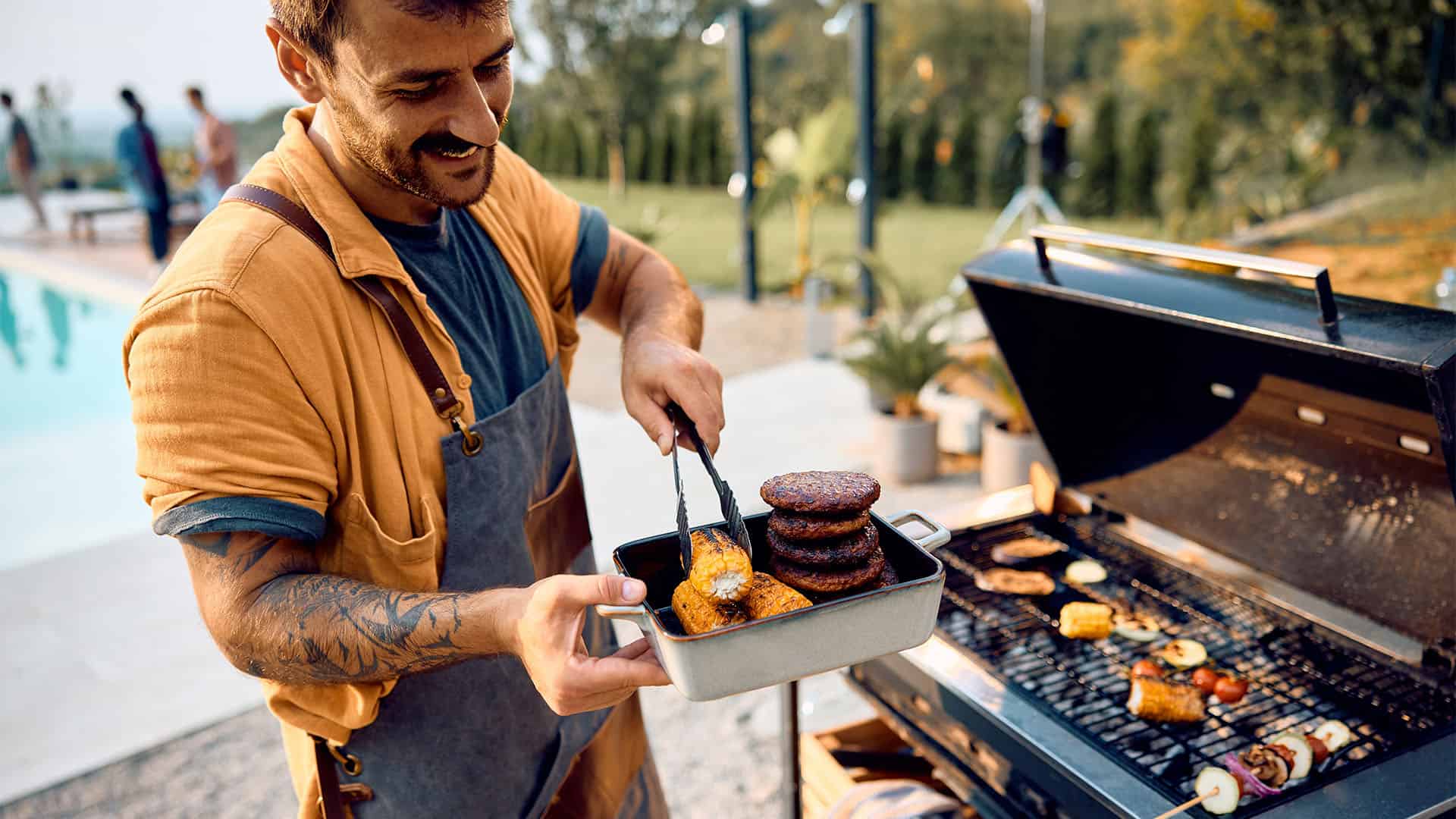
Two temperatures, one grill, and every cookout problem I used to have is gone.
For years, I treated my grill like a furnace. Crank it up, get the flames going, throw the food on. My logic was simple: high heat equals a good crust, and a good crust equals a good cook. What I actually got was chicken that was charred black on the outside and raw at the bone, and steaks with a burnt shell over grey, overcooked meat. I blamed the grill. Then I blamed the cuts. It took an embarrassingly long time to figure out that the problem was me, and specifically, the way I was using heat.
Why high heat alone ruins more food than it saves
Every time people grill on TV, the camera always shows big flames, which is why our first instinct is to crank the grill to the max, assuming higher temperature equals better results. But this is completely wrong. The problem is that surface temperature and internal temperature are two different things: a raging fire will burn your meat on the outside and leave the inside raw.
By the time the center is ready, the outer surface looks more like a piece of coal rather than a juicy steak. The foods most people grill, chicken thighs, thick pork chops, and sausages, need time at moderate heat far more than intense direct flame.
What two-zone cooking actually means
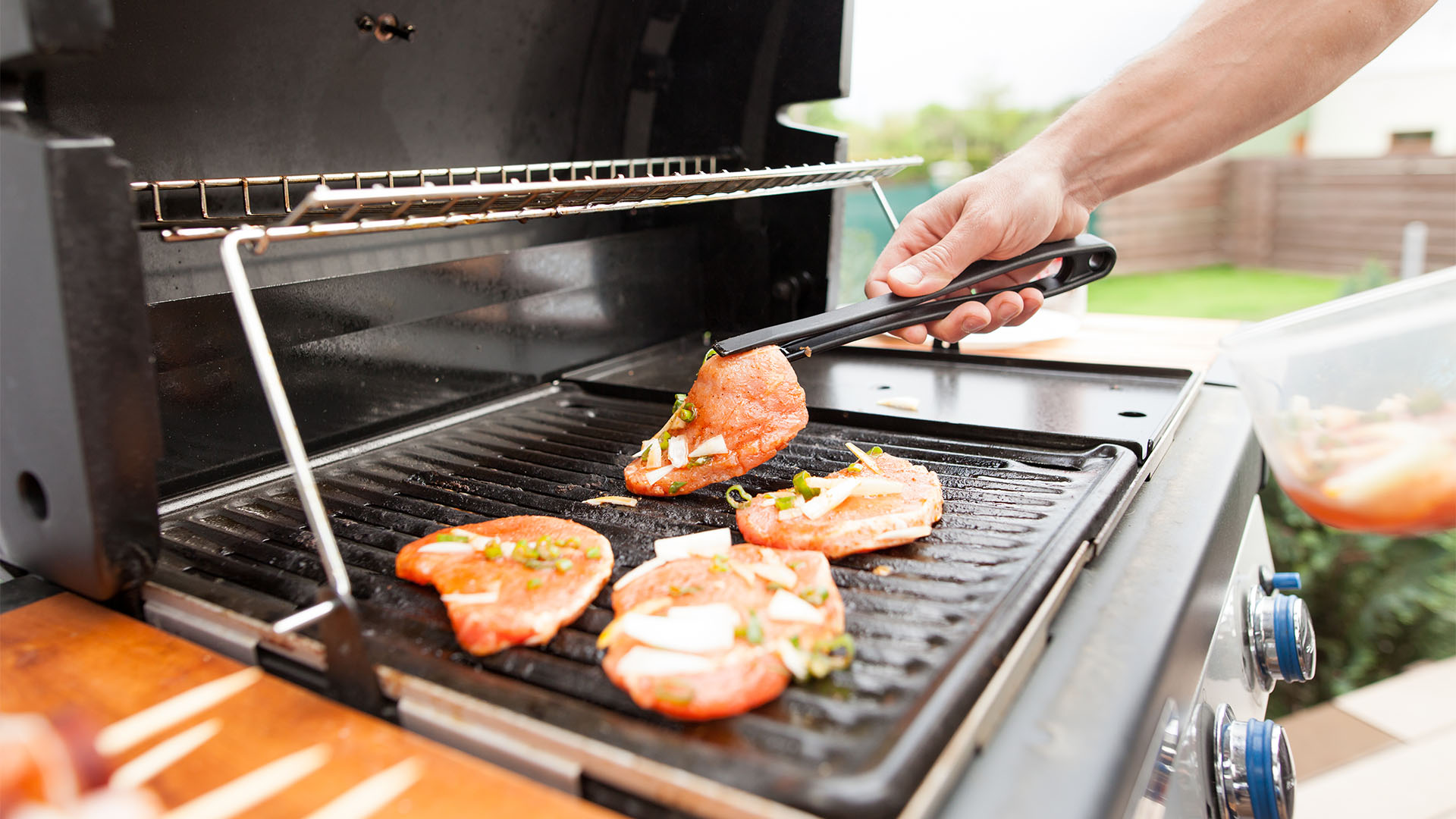
The idea is straightforward. You divide your grill into two distinct temperature areas. One side runs hot, the other runs significantly cooler. On my gas grill, the hot side sits at a middle setting, not high, not screaming full throttle. The cool side runs at almost the lowest setting it will hold. That gap between them is where all the control lives.
On a charcoal grill, you do the same thing by pushing the coals to one side and leaving the other side with little to no coals underneath. The principle is identical regardless of your setup.
I usually start everything on the hot side. That is where the food gets a quick, crispy cover, and it usually takes 2-3 minutes. The surface dries out quickly under direct heat, the browning reaction kicks in, and I get the color and texture I’ve always been chasing. Then the food moves to the cool side, where it spends most of its time, cooking through at a pace the interior can keep up with. There is no flare-up, no char, no panic. The food just cooks.
Then, when it is almost done, I can still move it to the hot side for a quick grill if needed. Then it comes off the grill. The result is a food that is crispy on the outside and juicy on the inside. That sequence, hot first, cool to finish, is the opposite of what most people do. Most people start on the cold side, panic when nothing happens, and move it to the hot side to get the color, but this is where things can go wrong.
The settings matter less than the gap
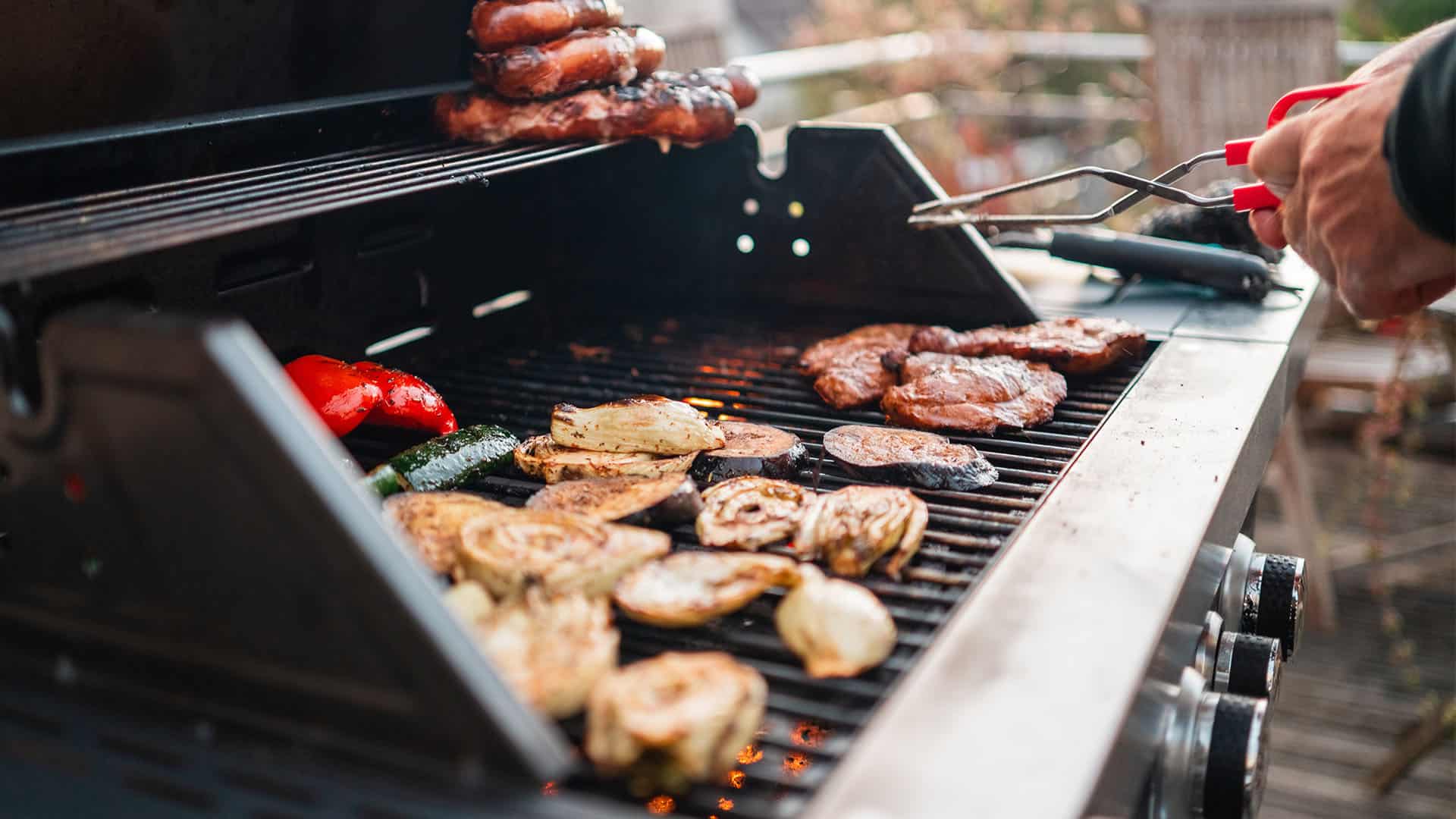
One thing I had to unlearn was the idea that there is a correct temperature for each zone. There is no universal number. Every grill runs differently. My gas grill at a middle setting behaves nothing like my neighbor’s at the same dial position. What matters is the differential between your two sides, not the absolute temperature of either one.
On my setup, the cool zone, even at its lowest setting, still holds around 275 to 300 degrees Fahrenheit. The hot zone in the middle sits around 400-425. That 125-degree spread gives me enough range to control the cook. If your grill runs hotter overall, shift both zones down accordingly. The gap is what you’re managing.
You almost never need the grill on maximum. The times I have run it at full power, I have regretted it within five minutes. Max heat has its place, maybe searing a very thin steak or getting a cast iron screaming hot. For everything else, you are just making the job harder.
What do these changes at the cookout
The practical difference is that I am less stressed behind the grill. Food does not need constant attention on the cool side. I am not chasing flare-ups or rotating pieces every thirty seconds. I check in, move things when they are ready, and finish them when they are just perfect. The whole cook is calmer, and the results are more consistent.
Guests assume I have some technique they do not know about. In a sense, that is true. But the technique is just understanding that a grill is not an on-off switch. It is a tool with a range, and using that range is what separates a good cookout from a frustrating one.