
Essential Tips for First-Time Dog Owners
You’ve wanted a dog for years, and after plenty of discussions, you finally made it happen. Your new pup is here, and it feels like the start of something great. But now that the excitement is settling, reality is kicking in…are you actually ready for this? Is your home set up properly? Did you miss anything important? Take a breath, every new dog owner has these thoughts. The good news is, you’ve got this. To make the transition easier for both you and your new best friend, here are some essential tips to help you start off on the right paw.
Puppy Proof Your Home

Before your new puppy arrives, it’s crucial to puppy-proof your home. Puppies are naturally curious and will get into everything they can reach, so make sure to secure any hazardous items. This means moving electrical cords out of reach, securing trash cans, and removing small objects that could be swallowed. Check for potential choking hazards and cover up any sharp edges on furniture.
The Essential Supplies
Stock up on the basics before your puppy arrives. Proper nutrition is vital for your puppy’s growth and development. Choose a high-quality puppy food that meets their specific nutritional needs. Consult your vet to determine the right amount and feeding schedule for your puppy’s breed and size. Avoid feeding human food or treats not designed for dogs, as some foods can be harmful.
You’ll also need a comfortable bed, food and water bowls, a collar with ID tags, and a sturdy leash. Invest in high-quality puppy food and treats to support their growth and health. Don’t forget grooming supplies like a brush, nail clippers, and puppy shampoo. Toys are also essential for keeping your puppy entertained and engaged.
Create A Sanctuary For Your Puppy
A sanctuary for your puppy could be a cozy crate or a specific corner of your home with its bed and toys. A safe space provides your puppy with a sense of security and a place to retreat when it feels overwhelmed. This space must be comfortable and quiet, away from the hustle and bustle of daily life. Introducing your puppy to its safe space gradually will help it adjust to its new home more easily.
Start Basic Training Early

Remember, it’s super important to train your puppy early for a well-behaved adult dog. Training basic commands like sit and stay early on can make a big difference in training later. It’s all about consistency; use the same commands and reward good behavior with treats and praise. Keep training sessions short and fun; they work better than long, boring ones.
Vet Check-Ups
Schedule a visit to the vet shortly after bringing your puppy home. Your vet will conduct a thorough health check, discuss vaccination schedules, and advise on spaying or neutering. This is essential for your puppy’s growth and overall health. Keeping up with veterinary care ensures your puppy starts on the right paw and stays healthy.
House Training

House training a puppy is super important, but it takes time and consistency. Feed your puppy regularly and take them outside often, especially after meals, playtime, or naps. When your puppy goes potty outside, be sure to praise and reward them right away. It’s totally normal for accidents to happen, so rather than punishing your puppy, just guide them to the right spot.
Socialize Them Early
Socialization is crucial for a well-adjusted puppy. Introduce your puppy to different environments, people, and other animals to help them become confident and adaptable. Early socialization can prevent behavior problems and fearfulness later on. Arrange playdates with other vaccinated puppies and expose your puppy to various sounds, sights, and experiences in a controlled manner.
Keep Them Active
Puppies are full of energy and need exercise to stay healthy and happy. To help your pup burn off extra energy, schedule daily playtime and short walks. Playing games with your puppy can also keep them entertained. Consider your pup’s age and breed when planning exercise routines because some breeds have different activity needs.
Establish A Grooming Routine
Make sure to start grooming your puppy early to get them used to being handled and groomed. Regularly brush your puppy to keep their coat clean and free of tangles. Introduce them to nail trimming and ear cleaning in a gentle, positive manner. Regular grooming helps maintain your puppy’s hygiene and can prevent issues like matting or ear infections.
Build A Strong Bond With Your Puppy
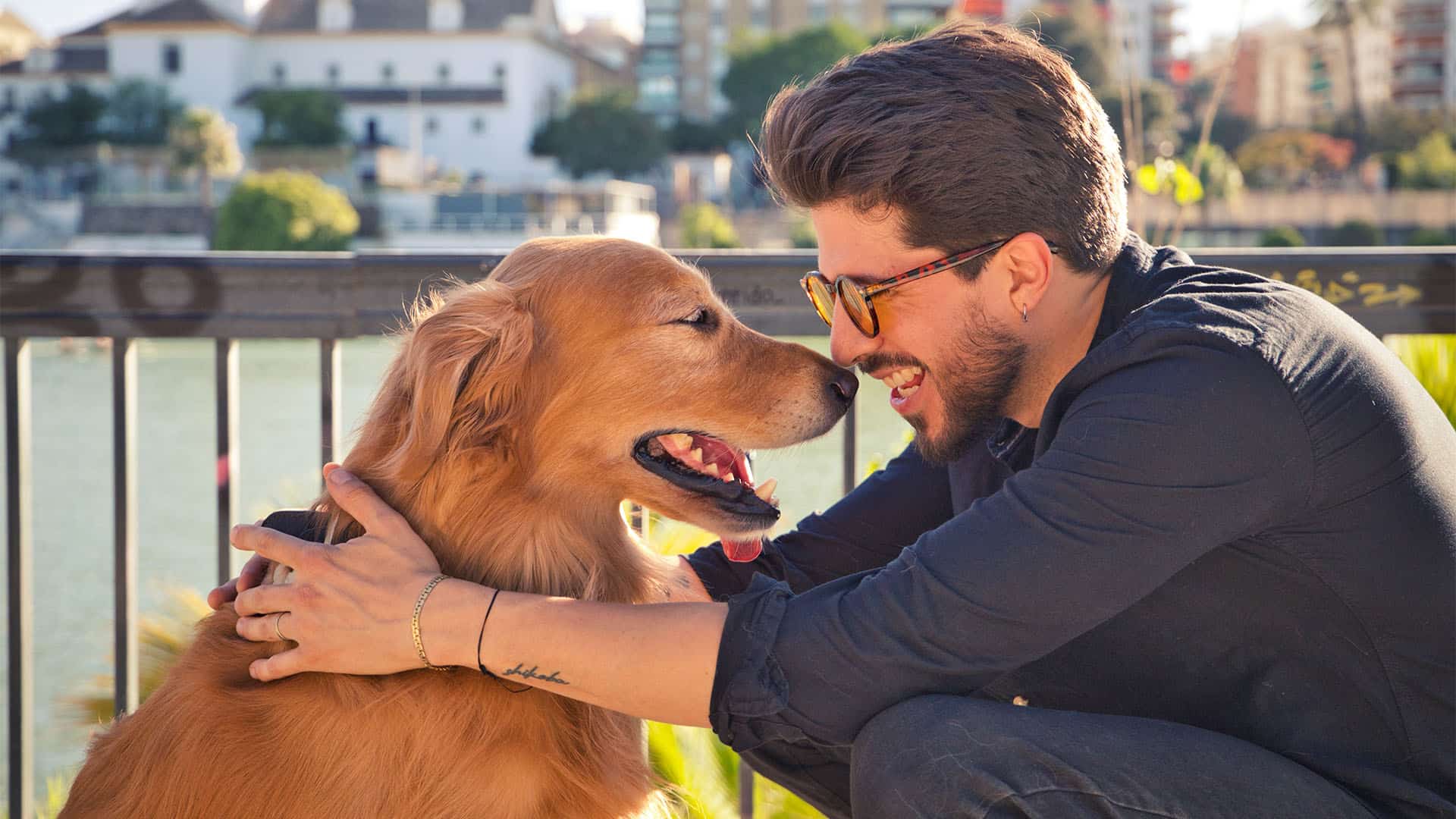
Bonding with your pup is crucial for a great relationship. Spend quality time playing, training, and cuddling. You can also build trust and encourage good behavior through positive reinforcement. Understanding your puppy’s body language and responding to their needs will strengthen your connection. The more you engage with your puppy, the more confident they can be.
Prepare For Long-Term Care And Commitment

Bringing a puppy into your home is a long-term commitment. Puppies grow into dogs that require ongoing care, training, and attention. Be prepared for the time and financial investment required for your puppy’s health, training, and well-being. Educate yourself about the needs of your puppy’s breed and be ready to adapt as your puppy grows.
Have a Daily Routine
Just like humans, dogs like knowing what their day will entail. It is important to establish a good routine with your new puppy so they know what to expect each day. Having a regular routine will also help with potty training and teaching your pup how to be alone when you are at work. Plan when you will walk your pup, when they get their food and when they go to bed at the end of the day. Starting your new puppy-friendly routine on day one of having your pet is the best plan!