
Are cars truly overpriced, or are our expectations outpacing reality?

Affording a car feels harder than ever, according to Reddit users, even though data suggests prices haven’t risen as fast as the overall cost of living.
Few consumer debates trigger as much frustration as the cost of a new car. To many buyers, today’s sticker prices feel increasingly out of reach, while others argue that modern vehicles simply offer far more in return than they used to. With inflation, technology, and wages all moving at different speeds, the question of affordability has become more complex. The real issue isn’t just what cars cost now, but how much of that price reflects genuine value versus shifting expectations.
In a popular Reddit thread, one user made a “hot take” comparing the price and equipment of a 2000 Toyota Corolla VE with a 2025 Corolla LE. Back then, the 2000 model offered at roughly $13,600, about $25,000 after adjusting for inflation, and came with minimal safety and convenience features. The 2025 base model lists for around $22,175 and includes far more advanced safety gear and technology. The OP concluded that, after accounting for inflation, cars might actually be cheaper and better equipped now than they were 20-plus years ago.
Redditors in the comments added their own context. One user wrote, “I bought a Miata new in 1991, a bit under $13k with no radio, no a/c. Today, that $13,000 would be about $31,000. Today’s base Miata is $29,500, and it comes with air conditioning and a stereo.” Even basic sports cars are faster and better equipped today, yet their prices are roughly the same as in the past when inflation is taken into account.

Another commenter said, “Cars aren’t expensive, compensation hasn’t kept up with inflation.” A common theme in the replies was that stagnant wages, and not car prices themselves, are largely responsible for affordability issues. When incomes lag behind general inflation, even modest price increases feel steeper for consumers. There were also several comments pointing out that the lack of ultra-basic new cars in dealerships makes buyers feel forced into higher trims with features they may not want but end up paying for.
While not disputing inflation-adjusted figures entirely, some noted that the market trend still shows rising average prices, with more sales at higher price points. One user wrote, “Today’s prices are near record highs, average transaction prices over $48,000.” This is partly because buyers favor larger vehicles and additional packages over the base model. According to the sales figures, the best-selling cars in the U.S. are not the cheapest ones on the market.
“Used cars are way more expensive than before.” This was another strong perspective. Even if new-car inflation seems moderate, the used-car market has seen significant price increases, making entry-level options harder to find for buyers who want something budget-friendly.
Prices and expectations

According to Consumer Price Index data from the Federal Reserve, new vehicle prices rose by roughly 25% between 2000 and 2025. Over the same period, overall consumer prices in the U.S. increased by about 90%.
In other words, while cars did become more expensive, the general cost of goods and services across the economy rose far faster than new-vehicle prices during that time.
What consumers often overlook is that today’s entry-level vehicles contain levels of technology that would have been unthinkable in the early 2000s. Over the past two decades, expectations of what a “basic” car should include have shifted dramatically. Features that were once considered premium extras, such as multiple airbags, stability control, cameras, radar-based safety systems, and lane-keeping assistance, are now standard equipment and, in many cases, required to meet modern safety regulations.
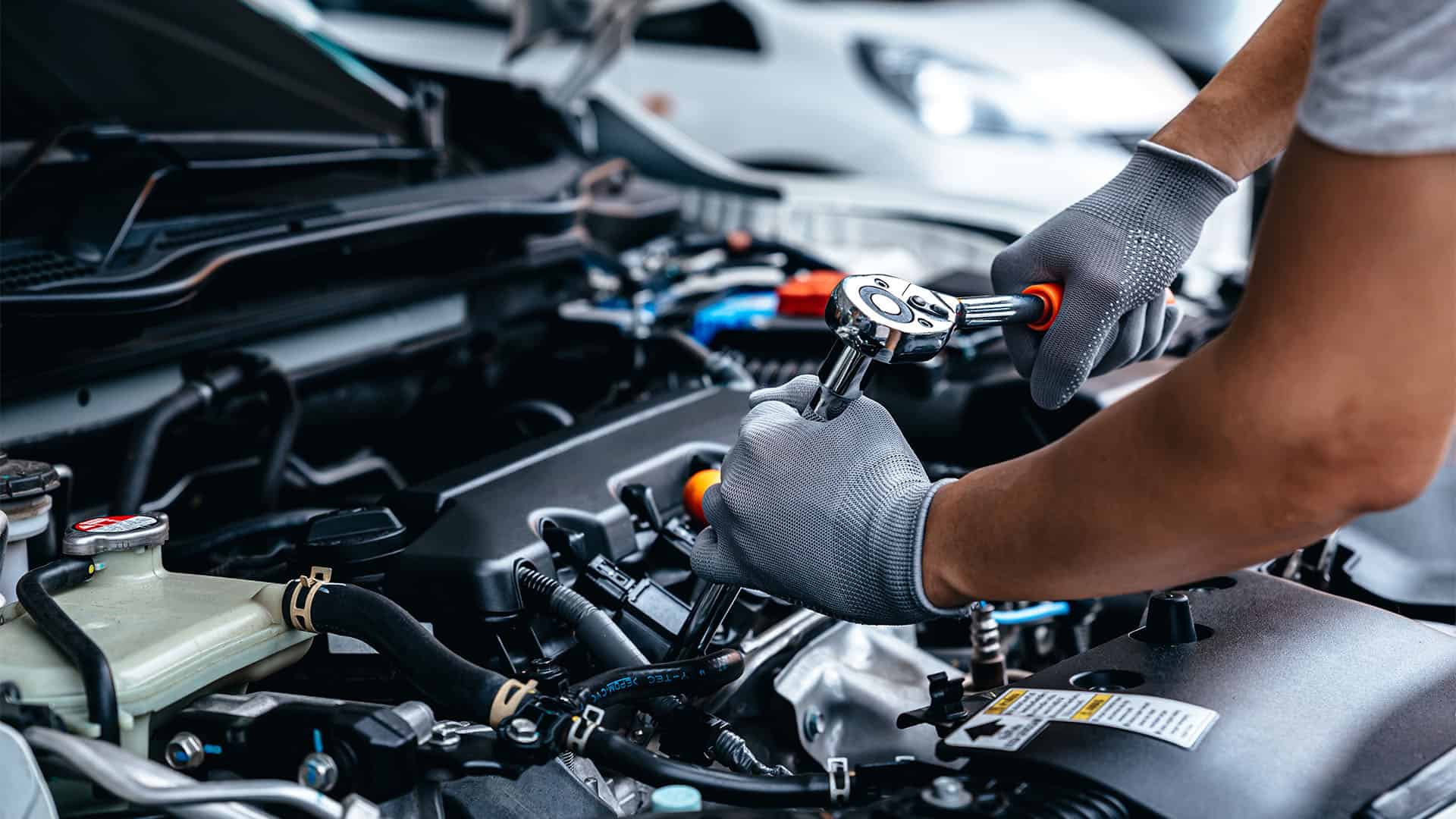
Each of these technologies adds manufacturing cost, from sensors and software to testing and calibration, costs that ultimately have to be absorbed somewhere in the price.
Yet inflation-adjusted data show prices have risen only modestly despite this added complexity. That restraint is mainly due to advances in manufacturing, global supply chains, and economies of scale that allow automakers to produce far more sophisticated vehicles at relatively stable price points. In that context, it is notable not how expensive cars feel today, but how much technology has been added without prices rising even faster.
Takeaway
When it comes to the question of whether cars are objectively overpriced, the answer isn’t a simple yes or no. After being adjusted for inflation, new-car pricing hasn’t exploded compared with other consumer goods, and today’s vehicles offer far more performance and safety, so it aligns with a general cost increase.
However, perception matters, and stagnating wages and shifting consumer preferences contribute to a sense that cars have become less affordable. Many more factors shape the rising cost of ownership, often more than sticker price alone. Buyers who focus on total ownership costs, such as financing, insurance, fuel, and maintenance, alongside sticker price, can get a clearer picture of what they’re really paying for.