
AI vs Human Creativity: Can Machines Truly Replace Artists and Writers?
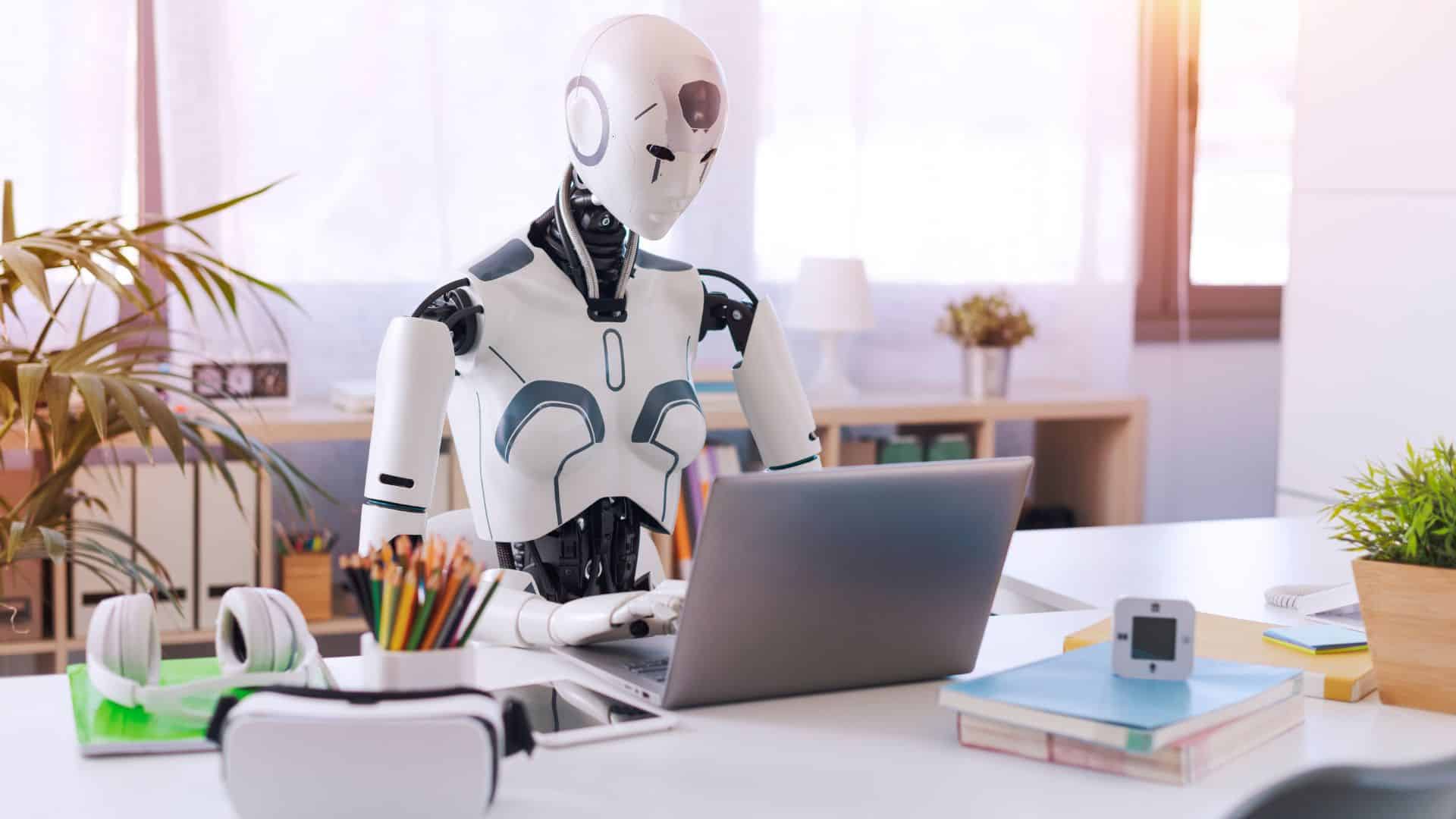
With each passing day, AI is becoming increasingly integrated into our lives, and reasonably so, it is fast, efficient, and makes complex tasks easy to manage. However, with all the pros AI has to offer, there exists an ever-looming threat that it may replace humans, especially in creative fields. But is it possible for AI to surpass human creativity? Can it truly replace artists and writers? This question has been boggling my mind for a long time, and then I dig deeper into it to analyze if AI is really going to replace writers and artists. Let’s find out.
How AI is Transforming the Creative Industry
Since its inception, if it is one field Artificial Intelligence has had the most significant impact on – it’s the creative industry. Whether writing, designing, or digital painting, AI’s ability to consistently produce fast and efficient results is unmatched.
What would take a human hours, AI can do almost instantly. Take writing per se; suppose you want to write a script for a short story. It would take hours of brainstorming to come up with a plot, introduce characters, and smooth out the edges so the script feels natural, that is if you don’t get stuck in a writing block. With AI, you can generate a script in under 2 minutes.
Simply provide a theme and direction through well-structured prompts, and the AI will produce a compelling result you can further fine-tweak to your liking. That’s just writing; you can do so much more with AI. Today, the web is full of specialized AI tools that can compose new music, create stunning designs, and even sketch or paint. Of course, the results are not 100% perfect, but they are quite close and will only improve as technology progresses.
What makes AI powerful in creative fields is its ability to handle large, boring, and repetitive tasks. It frees up time for artists, writers, and designers to focus on the more exciting parts of their work while delegating and instructing the AI to handle the not-so-exciting parts of their projects. And, the best part? AI makes creativity more accessible. Anyone without formal training can use AI tools to produce creative workpieces.

The Limitations of AI in Creative Fields
AI has proven its practicality in the creative field; however, to believe that it may replace humans is a bit far-stretched. As useful as AI is, there are certain limitations that make human expression irreplaceable.
First of all, AI lacks emotional understanding. Its outputs are robotic and, well, bland. It lacks the soul and authenticity that human creativity so beautifully delivers. You can ask AI to create a sad song, and you will have it in an instant. But will it carry the same emotion as a human-created melody inspired by an emotional experience? Simply no.
Additionally, AI struggles with true originality. It produces content by examining existing data and learning from past models. Humans, however, can imagine entirely new ideas. We have the ability to create new narratives, melodies, and designs that have not yet been created. AI, on the other hand, simply repurposes its information to generate a unique response.
Furthermore, while AI processes information, it lacks context, be it culture, history, or ethics. Solely relying on AI outputs may lead to pieces of art that are lifeless, tone-deaf, or lacking deeper significance. Humans can better engage with our audiences by using innuendos, symbolism, and shared values to communicate meaningfully.
AI also lacks consciousness and purpose. Where human creativity often has an objective beyond simply producing something new, AI doesn’t. We intend to inspire thought, evoke emotion, or drive change through our work; however, AI doesn’t care about that. Its only job is to respond to your prompts.
Lastly, there are legal and ethical concerns that restrict AI’s role in creativity. If an AI creates a piece of art, who owns and advertises it? These issues just add another layer of complexity to relying solely on AI in the creative industry.
Why Human Creativity Remains Irreplaceable
AI undoubtedly has unprecedented benefits regarding human creativity, but can it entirely replace it? It’s highly unlikely. See, the human brain is capable of one thing that artificial intelligence isn’t: imagination fueled by emotions and experiences. AI learns through machine learning and interactions with humans; it utilizes the vast data stored in the system to recognize patterns and generate responses, and while these responses may seem unique, they are simply based on previously learned information.
On the other hand, humans have a divinely gifted consciousness with the ability to think and imagine new things. Even something as simple as a sunny day can make one person feel one way and another person feel something completely different. Our brains and emotions are unique to ourselves, and this uniqueness is precisely what differentiates human creativity from AI.
While AI generates outputs by analyzing data and patterns, we create not just from logic but also from imagination and dreams. Human creativity is something no machine can replicate; it lacks the human touch that makes creativity truly special and, in many ways, relatable. People’s emotions inspire art, and no matter how far AI progresses, it can’t truly understand the emotions or feel the way a human can.

The Future: A Collaboration Between AI and Humans
It is unlikely that AI will ever replace human creativity entirely, even in the future. The human-machine synergy will continue to be fostered as technology evolves. Human creativity paired with AI’s efficiency will make it easier for creatives in the future to bring new ideas to life or streamline repetitive tasks. Collaboration between both would make more sense than replacing the other.
This bids fairly well for writers, artists, and other creatives, as their turnover time will see a drastic reduction. AI will make it possible for them to churn out more work in less time without compromising quality. It will also make it easier for them to brainstorm, edit drafts, and refine their work, ensuring their audience gets the perfect piece.