

Essential Things To Know For The Grilling Season
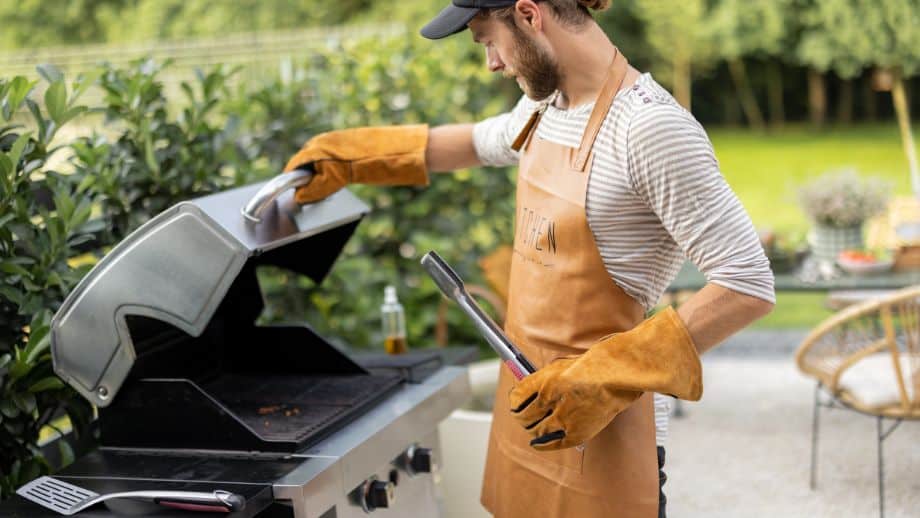
Grilling season is one of my favorite times of the year. There’s nothing quite like the smell of food sizzling on the grill and the joy of outdoor cooking. Your grill is such an important piece of culinary equipment and it needs to be treated with care and respect. But to make the most of it, there are a few key things every grill enthusiast should know. Whether you’re a seasoned pro or just starting out, these tips can help you elevate your grilling game and make every cookout a success.

Residue
Residue from food, grease, and marinades can build up on the grates and inside the grill, leading to flare-ups, uneven cooking, and unpleasant flavors. To prevent this, take a few minutes after each grilling session to remove food particles and clean the grates with a grill brush. A quick clean after each use will save you a lot of scrubbing later on. Grills are easiest to clean when they are hot and the grease on the grill grates is loose and easy to remove.
Maintenance
Every grill comes with a set of manufacturer’s instructions, including important information on assembly, usage, and maintenance. Ignoring these guidelines can result in improper use, potential safety hazards, and voided warranties. Make sure you set your grill up correctly so that it works properly. You can always look for online videos to help you as sometimes it is easier to follow a visual rather than written instructions!
Fuel Type
Using the wrong type of fuel for your grill can cause serious problems. For instance, using charcoal in a gas grill or the wrong type of charcoal can lead to unsafe conditions and damage the grill. Always use the recommended fuel type for your specific grill model. This will ensure your grill works properly and your food tastes its best!
Unattended grills
Leaving your grill unattended, especially when it’s in use, is a dangerous practice. Unattended grills can lead to flare-ups, fires, and accidents. Always keep a close eye on your grill when cooking, and keep a fire extinguisher on hand, just in case. Even if you close the lid to smoke your food, you should stay nearby.
Too much food
Too much food at once can cause several issues, including uneven cooking and an increased risk of flare-ups. To avoid this, grill in batches if necessary, giving each item enough space to cook evenly and safely, avoiding accidents and burnt or undercooked food. Your food will not only taste better, but this is a much safer way to cook.

No Indoor Grilling
Storing your grill indoors, especially while it’s still hot or with fuel inside, is a major safety hazard. Grills should be stored in a well-ventilated outdoor area to prevent fire risks and ensure proper ventilation of any residual fumes. Keep grills away from the house, if possible. They should not be stored against a house or any structure in case of an accidental flare up.
Flammable liquids
Flammable liquids can cause uncontrollable flames and explosions. Instead, use safer methods such as chimney starters for charcoal grills or the built-in ignition systems on gas grills. Safe lighting practices prevent accidents and ensure a controlled cooking environment. Grill fires can spread quickly so you do not want to increase the flames by adding too much fuel to the fire!
Gas Leaks
Gas grills must be regularly checked for gas leaks to ensure safe operation and prevent fires or more severe accidents. To check for leaks, apply a soapy water solution to the gas hose and connections, then turn on the gas. If bubbles form, there’s a leak you need to address. Even the smallest leak can be a big safety problem. Make it a point to check your grill on a regular schedule.
Grill Cover
Using a grill cover incorrectly can lead to trapped moisture and rust. While covers protect your grill from the elements, they should only be used when the grill is completely cool and dry. Moisture trapped under the cover can cause corrosion and result in mold growth. Only put the grill cover on once your grill has had time to completely cool. Make sure the bottom is slightly open and not sealed to the ground to allow for air flow.