

After becoming the family chauffeur man considers setting boundaries—is he being used?
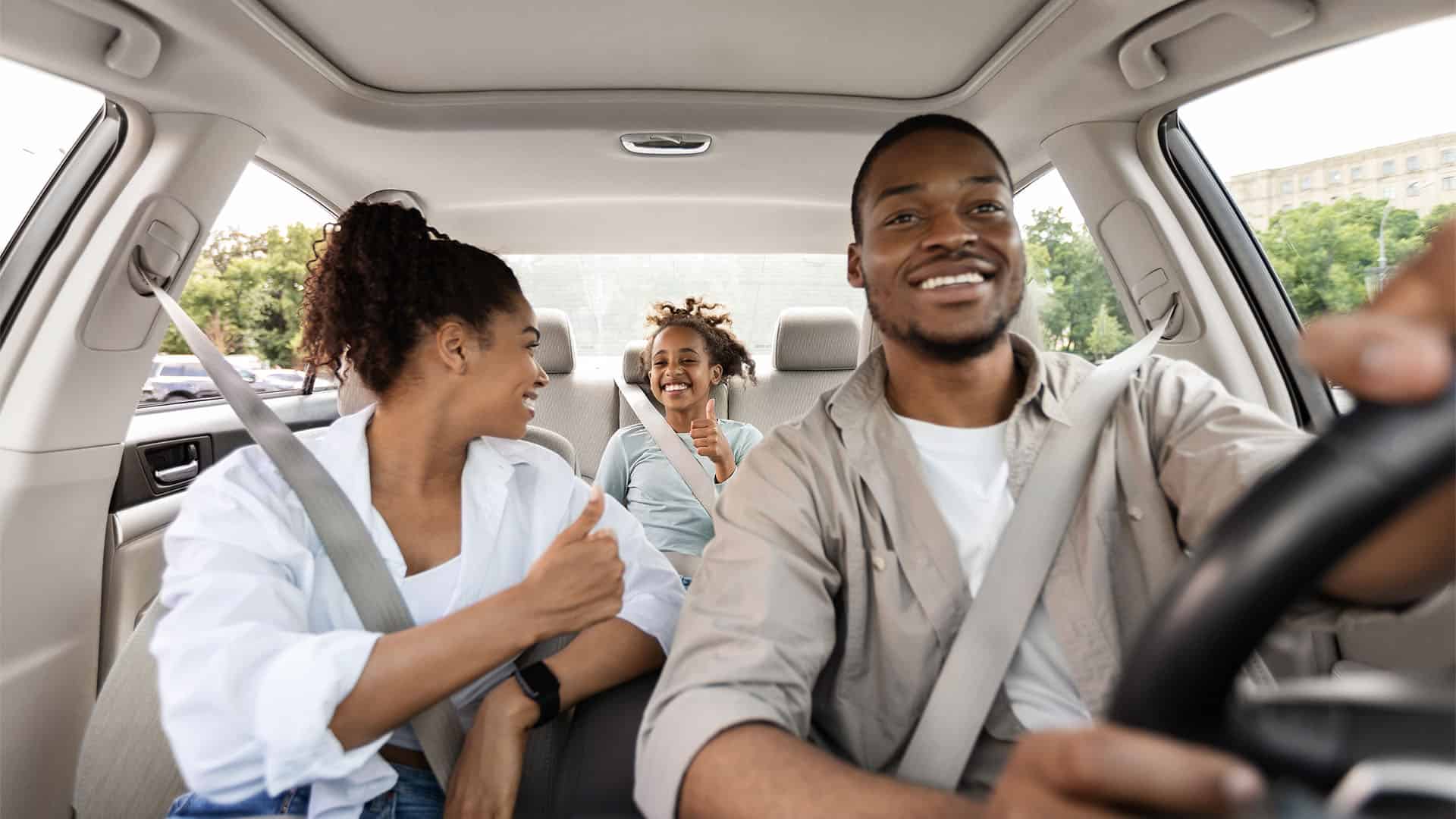
A 26-year-old wonders if constant ride requests from family are bonding, or exploitation. Reddit weighs in on boundaries and burnout.
When you’re the only one in the family with a car, it doesn’t take long before “Can you give me a ride?” becomes background noise. The question here is, how long are you expected to say “yes” to the constant free rides, especially when no one is offering any compensation in return? For one 26-year-old, the feelings of achievement and excitement over his first car slowly turned into obligation, resentment, and a nagging question about whether he’s valued for who he is, or for what he can now provide them.

The story
In the original post, the Redditor explained that after getting his first car two years ago, he happily offered rides to friends and family. At the time, it felt good because after the loss of both parents in recent years, he wanted to reconnect with family, especially his older sister and nieces.
At first, giving rides felt like bonding. But the requests became frequent, almost constant. He described wanting rest days that never came because there was always a text asking for transportation. What bothered him most was the pattern.
Before he had a car, he was rarely included in family events. After he got a car, invitations followed, but often only if he was asked to provide a ride. One example in particular stung. He learned about his niece’s performance only because she needed transportation.
When she invited him, it felt like an afterthought. “You can come too.” The deeper concern is belonging. He admitted he wonders what would happen if he lost his car. Would he still be invited to cookouts and holidays? Or is his role now fixed as the family’s Uber?
Reactions
Reddit overwhelmingly said no, but the reasoning went beyond a simple verdict. One commenter put it plainly: “NTA for changing your mind and setting your boundaries. A little communication goes a long way.” When generosity becomes routine, people often stop recognizing it as generosity.
The OP clarified something important in reply, saying, “It’s not that I don’t enjoy it, it’s just it’s been too much and it feels like my only purpose in their life is to give a ride to xyz and me attending an event is a consolation prize.” The issue is really about identity and value within a family dynamic.

Another commenter cut straight to it. “Then the issue is not about the free rides anymore, it’s about whether you feel/are appreciated as a friend/family member.” That observation shifted the debate from logistics to relationships. Limiting rides isn’t punishment; in this situation, it’s information. If invitations stop when the car does, that tells him everything he needs to know.
Others focused on practical boundaries. One wrote: “You have turned yourself into a taxi service. You need to nip it in the bud. Your personal time is important.” Patterns harden fast. When you consistently show up on demand, people begin planning around your reliability.
Perhaps the most constructive advice came from a commenter who suggested structure instead of resentment. “We should start setting up rides ahead of time. This way we’ll both know when I am/am not available.” That approach keeps the relationship intact while restoring balance.
When helping becomes a habit
Family dynamics around favors are tricky. The person who steps up often becomes the default solution. Then, the “reliable one” can start feeling like the “responsible one,” even when no one chose the role. What makes this situation more layered is the history. After losing both parents, the OP clearly wanted connection. That emotional vulnerability may have made him more likely to overextend himself.

There’s also the practical imbalance. His sister and 17-year-old niece don’t drive. The father and uncle reportedly have cars, but for whatever reason, the rides seem to fall primarily on him. Sometimes, the healthiest test of a relationship is to remove the utility and see what remains. Whether it’s a car, house, or money, if they lose access to the “utility” and no longer include or reach out to you, it gives you quick answers.
Takeaway
At its core, this story is about what happens when generosity turns into expectation. The OP isn’t wrong for feeling conflicted. He offered help freely, and now he’s realizing that constant availability comes with a cost. Time, energy, and emotional bandwidth. It’s natural to want to feel valued for more than what you provide, but limiting rides doesn’t make him selfish; it makes him aware. The key will be communication, not silent withdrawal. If he explains that he needs more notice or occasional breaks, reasonable family members should understand. And if the invitations dry up when the rides do, that information, while painful, will be clarifying.