
She drives everyone everywhere, but her friends mocked one simple rule—Reddit quickly took sides
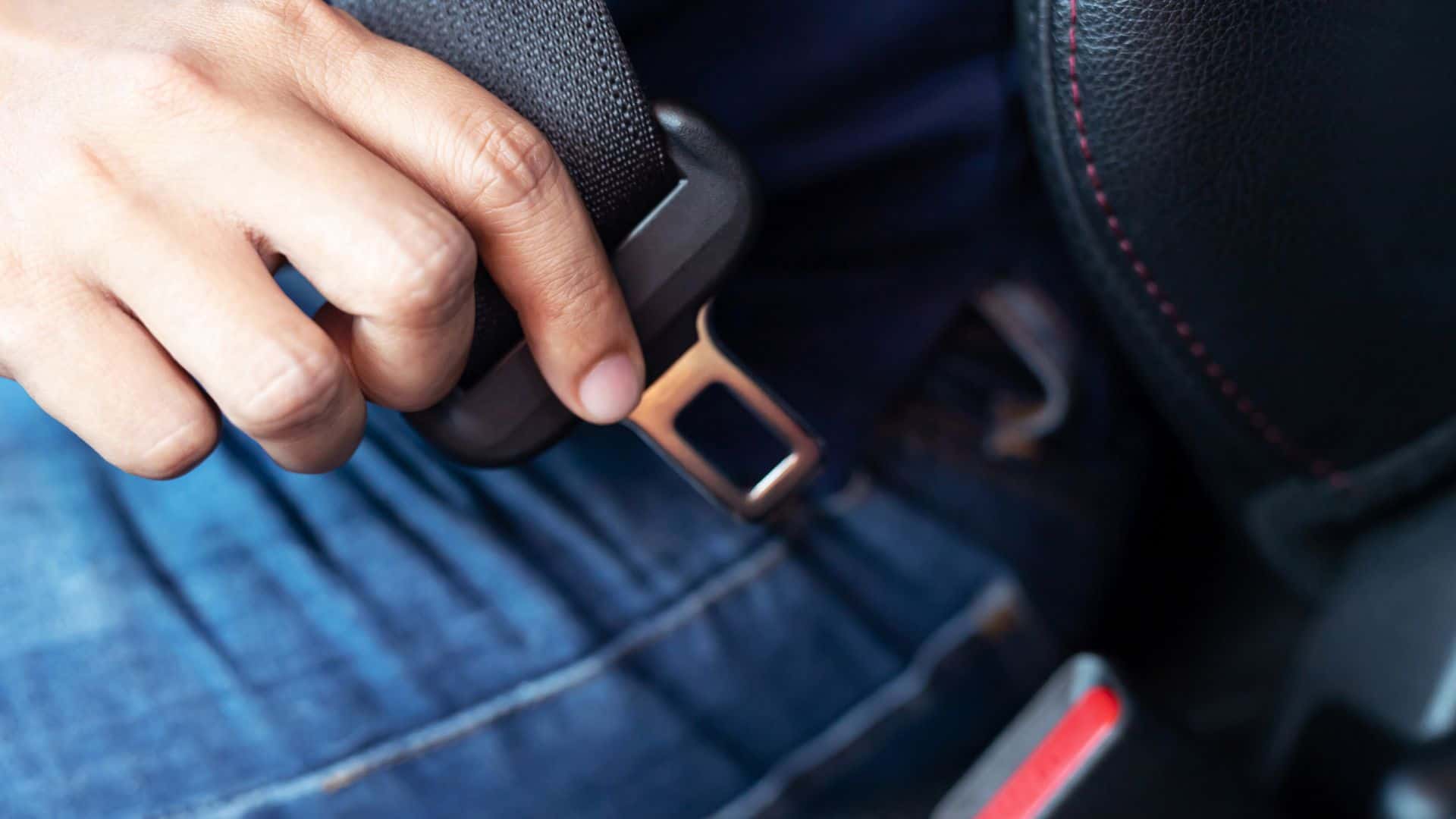
There’s a particular kind of frustration that builds slowly, the kind where you notice something, let it go, notice it again, and eventually reach a point where you can’t un-see it.
A 20-year-old woman recently posted on Reddit, asking whether she was out of line for telling her friends they needed to wear seatbelts in her backseat or find another way home.
She’s the only person in her friend group who can reliably drive. One friend has astigmatism and can’t afford glasses, which rules out night driving and highways. Another doesn’t own a car and can’t always borrow a family vehicle. A third just got her license and is still getting comfortable behind the wheel. So when these women go out together, she’s the one driving, every time, without complaint, and all she’s asking in return is that they buckle up.
Her friends had waved it off before, suggesting that skipping the backseat seatbelt was just something people in their community did, a cultural habit more than a conscious choice. Even her own brother sided with them, calling her controlling. After all, they’re adults, and in her state, the law doesn’t require backseat passengers to wear one. So she turned to Reddit to find out if she was genuinely overreacting, or if her instincts were right.
The top comment was blunt and collected with nearly 3,000 upvotes: “Your car, your rules, and if they don’t like it, they can walk.” That kind of response tends to reflect a consensus, and in this case, it did. Comment after comment landed in the same place, with people backing her call without hesitation.
One user pushed it further, suggesting she send her friends footage of what actually happens to a person who isn’t wearing a seatbelt when a car comes to a sudden stop. The physics aren’t complicated, and once you’ve seen them play out in video form, the conversation about personal choice tends to get a lot quieter.
Another commenter raised the point that often goes unspoken in these arguments. A passenger in the back seat isn’t just putting themselves at risk. In a serious collision, they become a moving object traveling at whatever speed the car was doing before impact, and whatever is in front of them, the seat, the driver, the windshield, absorbs that force. “An unbuckled passenger in the back seat becomes a projectile,” one user wrote plainly, and several others echoed it throughout the thread.
Perhaps the most affecting contribution came from a delivery driver who used to skip the belt on short runs because the trips were quick and the distances felt trivial. One day, for no particular reason, she left it on. A few minutes later, someone ran a red light and hit her car at full speed. She said if she’d done what she always did, she would have been seriously hurt or worse. She hasn’t gone without one since, and she doesn’t let passengers either.
Why the backseat feels safe when it isn’t
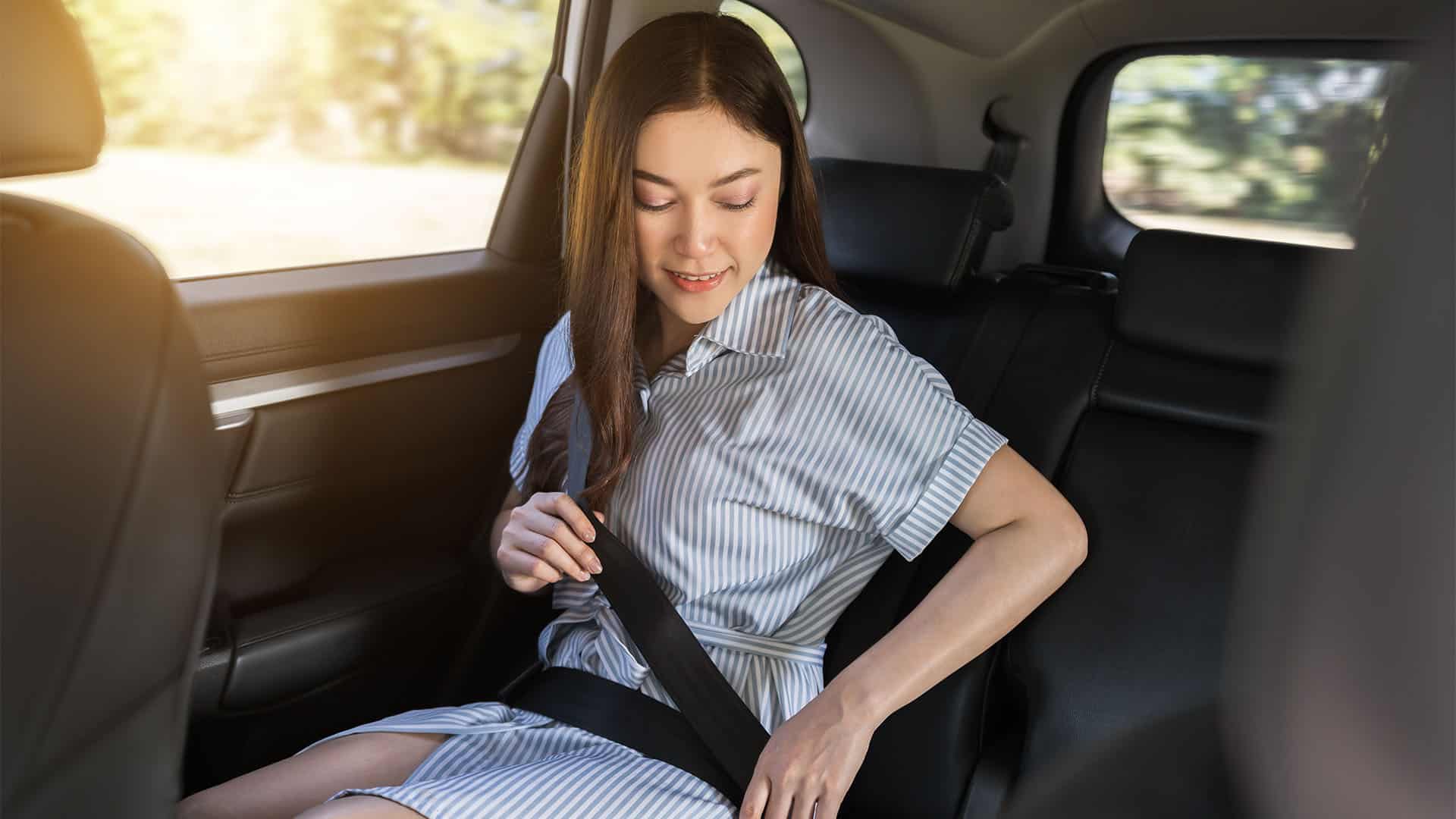
According to the CDC, more than half of those who died in crashes in 2021 were not buckled up at the time of the crash. Rear-seat passengers who go unbuckled face significantly higher fatality risks than those who are properly restrained. Traffic crash mortality among rear occupants can be reduced by approximately 55–75% if they use safety belts.
The mechanism is exactly what you’d expect: in a collision, an unbelted person keeps moving at the speed the vehicle was traveling before impact. They will hit the seat in front of them, or the windshield, or, in the worst cases, another person in the vehicle.
The cultural framing in this story is also worth sitting with. For many people, and this cuts across genders, the idea of a driver setting conditions in their own vehicle reads as uptight or controlling. But there’s a meaningful difference between imposing your preferences on someone and asking people not to put you, themselves, and everyone else in the car at greater risk. Calling that controlling is a way of dressing up a bad habit as a personal right.
There was a time when most people would’ve let this go. The trip is short, nobody wants the awkward moment, and it’s easier to just drive. For many people, that instinct to avoid friction runs deep. Keeping the peace feels like the considerate thing to do, right up until the moment it isn’t.
What the OP did was uncomfortable and probably created some tension in the group. It also happened to be completely correct. She asked for one simple thing in exchange for being the person who drives everyone everywhere, and when her friends and her brother pushed back, she went looking for perspective instead of caving. The edit she added at the end of her post said it best: she wanted to thank everyone for making her feel neither crazy nor paranoid. That’s usually a sign that someone knew the right answer all along and just needed to hear it confirmed.