

What traveling taught me about people

Two decades around the globe showed me that culture changes everything on the surface, but very little at the core.
After twenty years of traveling across the globe, what stayed with me wasn’t landmarks or itineraries. It was people. The way they live, what they prioritize, how they treat strangers, and how quickly those differences start to feel familiar once you understand them. Travel didn’t just show me new places, it forced me to rethink what I thought I knew about people.
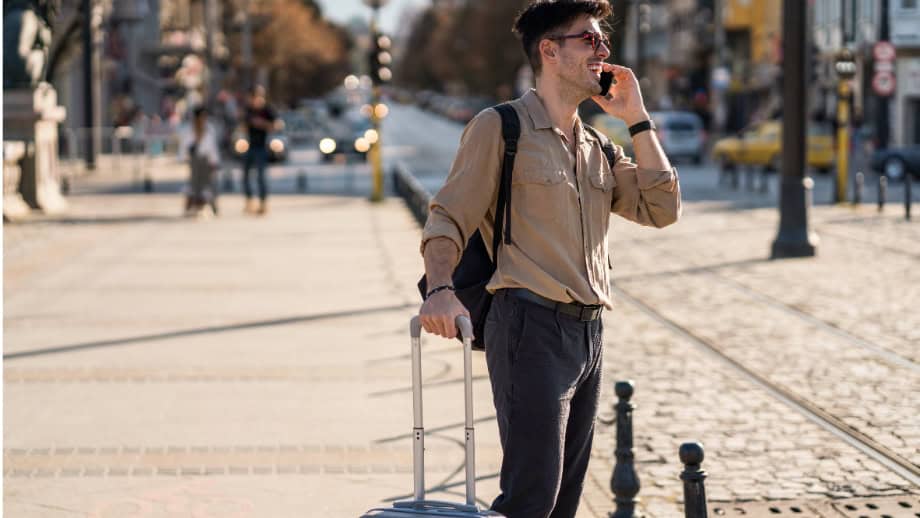
Kindness shows up everywhere, just in different forms
One of the first things travel stripped away for me was the idea that kindness is tied to a specific culture. It isn’t. It just looks different depending on where you are. I remember being on a long train ride in Malaysia. There was a family sitting across from me who noticed, smiled, and without much language in common, started passing over containers of food. No hesitation, no expectation. Just an understanding that I was a guest in their space.
In Morocco, it showed up differently. Being invited for tea wasn’t a casual gesture; it was part of the culture. You don’t rush it, you don’t decline it, and you don’t treat it like a quick interaction. It’s a way of saying, “You’re welcome here,” even if you’ve just met. The setting changes, the customs change, but the instinct doesn’t. People, more often than not, want to extend something to you.
What travel teaches about parenting and family life
Travel makes it obvious how different daily life can be from one place to another. But underneath that, the priorities tend to align more than you expect. Family is one of the clearest examples. In Sweden, I noticed something that stuck with me, what they call “latte papas.” Fathers out during the day, pushing strollers, sitting in cafés with their kids, fully present. It’s tied to their parental leave system, but it also reflects a broader cultural expectation that fatherhood is active and visible.
It is definitely challenging the North American norms. Not because one is right or wrong, but because it showed how differently the same role can be lived out. You see similar patterns everywhere. People are working to support their families and trying to create stability. Looking for time, even in busy lives, to connect with the people who matter to them.
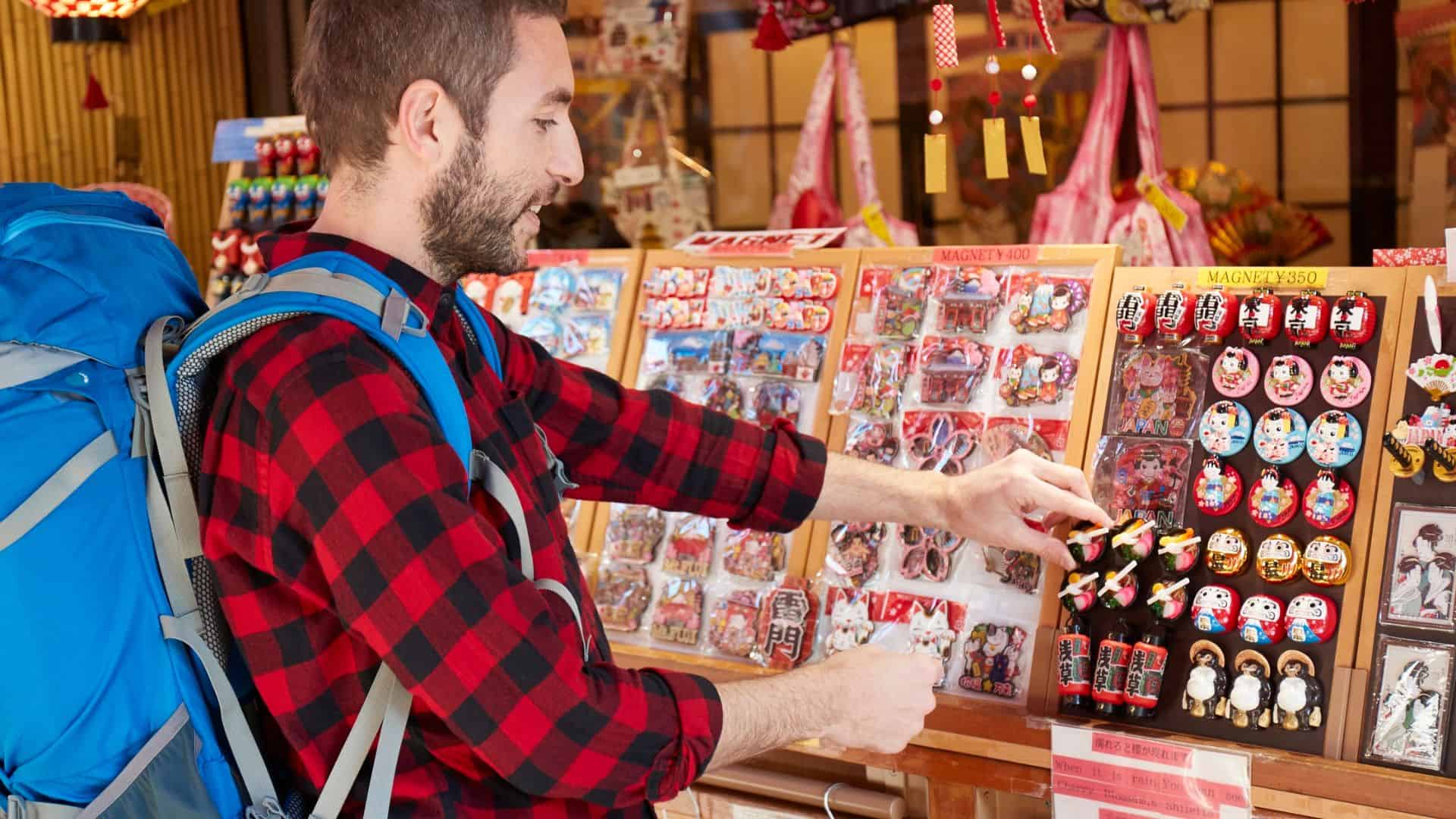
The search for meaning is the same everywhere
Experiencing different religions firsthand changes your perspective quickly. In Varanasi, India, I watched funeral rites along the Ganges where bodies are burned in the open. It’s direct, unfiltered, and deeply rooted in belief about life, death, and what comes after. It forces you to confront something most people are used to keeping at a distance.
In Istanbul, inside the Blue Mosque, the atmosphere is different but carries the same weight. Quiet, structured, and intentional. Watching people move through prayer at set times throughout the day gives you a sense of rhythm and discipline tied to something larger than daily life. The practices are different, but the purpose feels familiar. People are trying to understand their place in the world, to find meaning, and to stay grounded in something beyond themselves.
Communication goes beyond language
Travel also makes you realize how much of communication isn’t verbal. There were plenty of moments where I didn’t share a language with the people around me, but things still worked. Gestures, tone, and eye contact carry more than you think. You learn to pay attention differently. To slow down, to read situations, to meet people halfway. It changes how you interact, even when you come back home. It’s also something that reminds you of the importance of traveling with people who have a similar travel style.

Not every interaction is positive, but even that has context
It would be easy to pretend every experience was good, but that’s not the reality. There were places where I was overcharged, situations where it was clear someone was trying to take advantage of the fact that I didn’t know better. It happens. But over time, I stopped seeing it as purely negative. In many cases, it came down to survival. People doing what they needed to do within their circumstances.
That doesn’t mean accepting it blindly, but it does change how you interpret it. It becomes less personal and more contextual. And even with that, those moments were the minority.