

5 must-have tools every man should own to maintain a home
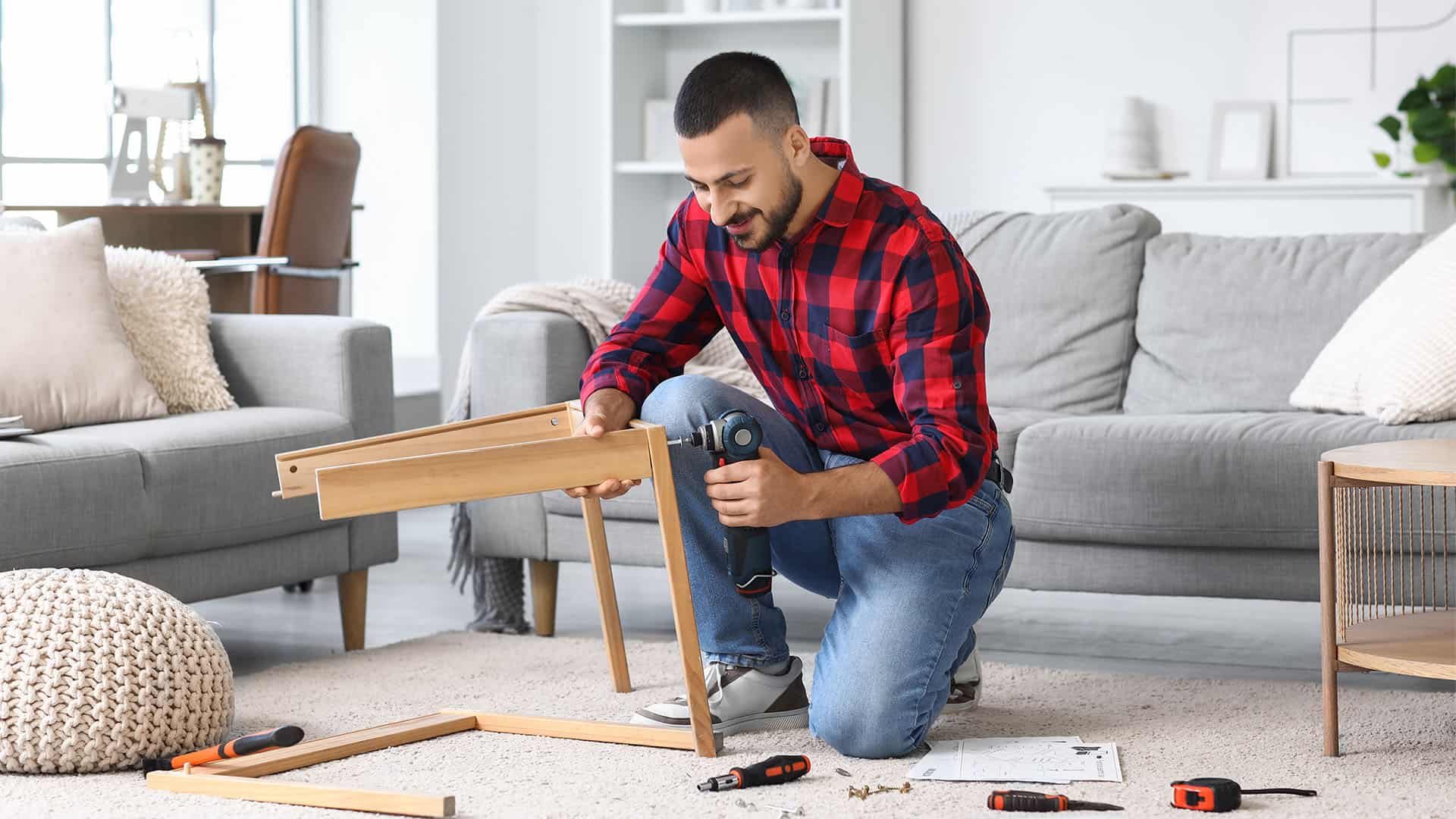
Most men own a hammer and call it a toolkit. Then something actually breaks, and you realize how unprepared you really are.
When I moved into my first house at 29, convinced I was ready. I had a claw hammer, a flathead screwdriver, and some leftover confidence from assembling IKEA furniture. Six months in, a supply line under the bathroom sink started weeping water at 11 pm on a Sunday. I had nothing useful to fix it, nothing to shut it off cleanly, and no grip strong enough to loosen the corroded fitting. I paid a plumber $180 for a 12-minute job I could have done myself with a $35 tool I didn’t own. That was the last time I let my toolkit embarrass me.
The problem is that most men genuinely don’t know which tools are important, meaning the ones that handle 80% of real home problems, versus which ones just look the part hanging on a pegboard. Hardware stores are not helpful here. They’re designed to sell you everything, and nobody hands you a shortlist.
So here’s mine. Five tools I now reach for constantly, and what convinced me each one belongs in the rotation.
Adjustable wrench
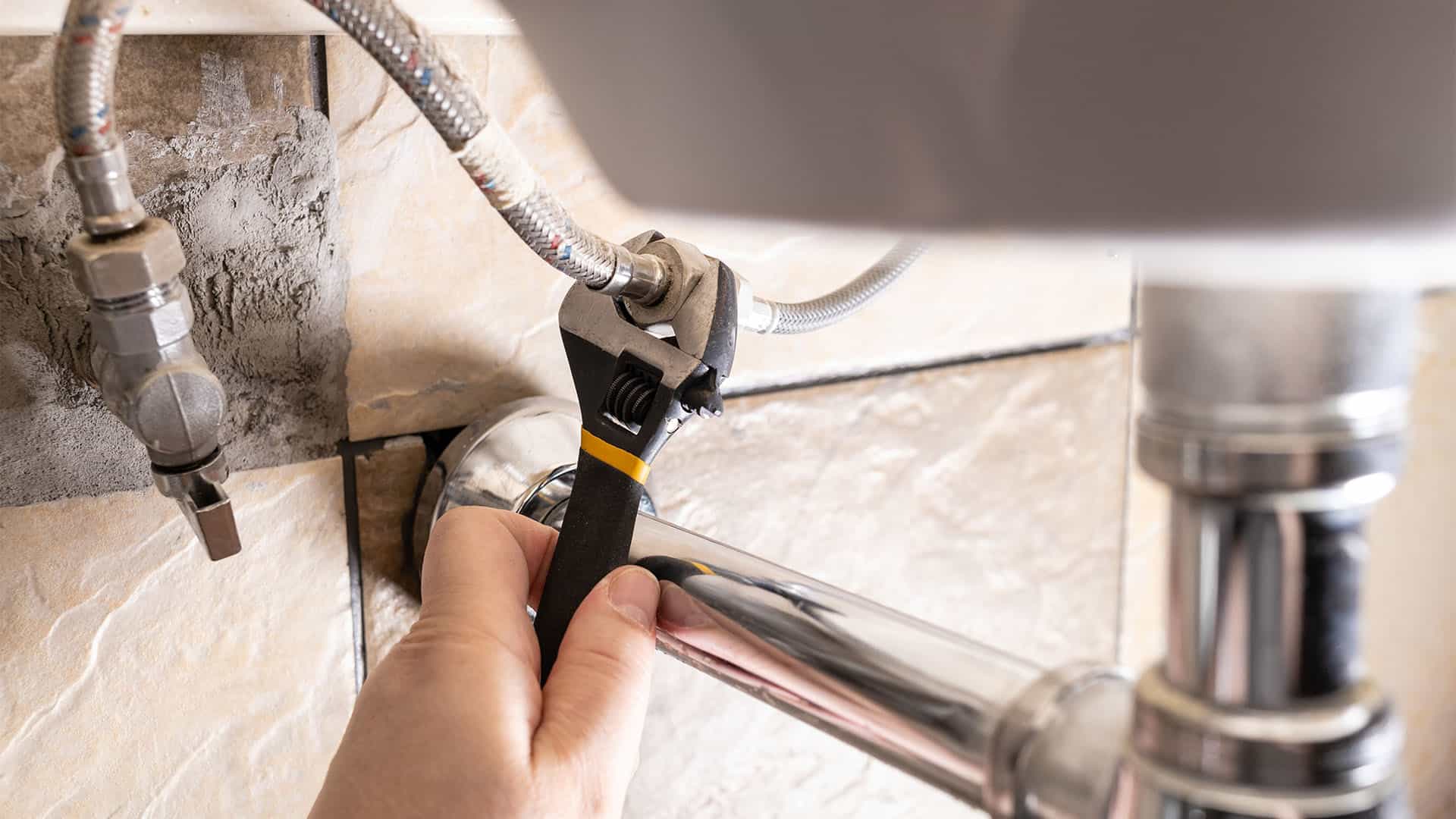
Not the stamped steel one that came in a starter kit. A proper Channellock or Knipex adjustable wrench in the 10-inch range gives you real jaw strength and enough torque to break loose fittings that have been sitting for years. Supply lines, outdoor hose bibs, showerhead connections, nearly every plumbing job at the DIY level starts here. Avoid the cheap versions, as they slip and round off the fit. Then you’ve made the job harder and more expensive.
A cordless drill with two batteries
One battery is always dead when you need it. That’s just physics. A mid-tier 20-volt drill from DeWalt or Milwaukee with two batteries handles everything from hanging shelves to driving lag bolts into a fence post. The drill does not need to be the most powerful one on the shelf. You don’t buy it for demolishing a house. For these tools, torque settings matter more than raw power. Learn to use them, and you won’t strip another screw into drywall. Pair this with a basic bit set covering Phillips, flathead, and a few hex sizes, which covers the vast majority of household work.
A quality stud finder with AC detection
I skipped this for two years and used the “knock on the wall and guess” method. I hit a wire once. Once was enough. A stud finder like the Franklin ProSensor reads multiple studs simultaneously and flags live AC wiring behind the wall. Hanging a TV mount, running a new shelf rail, putting up a heavy mirror, none of those go well without knowing exactly where the structure sits. For roughly $60, this tool pays for itself the first time.
A utility knife with fresh blades
This sounds too simple until you use a dull one. A sharp utility knife cuts drywall patches clean, scores caulk lines for removal, opens flooring material without tearing, and handles weatherstripping and screen repair. The knife itself is almost irrelevant. The blade is everything. Most people own one with a blade that was last changed in 2019. Keep a pack of replacement blades in the drawer and swap them out more often than feels necessary.
A multi-bit stubby screwdriver
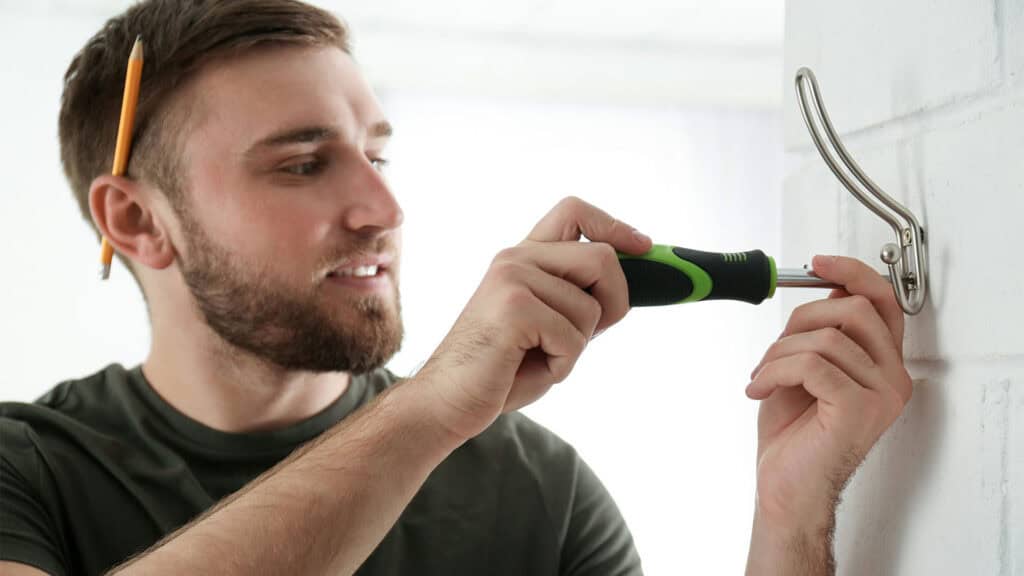
Standard-length screwdrivers can’t reach into cabinet hinges, tight electrical boxes, or the back of an appliance bay. That’s where most people give up and either strip the screw or call someone. A multi-bit stubby handles Phillips, flathead, and Torx in a handle short enough to actually fit the job. The one I keep on the workbench is from Klein Tools, but any other brand with a good quality grip and bits will work great. Swap the bits out, and one tool covers what would otherwise require three different drivers you probably don’t own.
The real cost of not having these
Every tool on this list has a counterpart cost attached to not owning it. The plumber’s bill. The wall patch. The stripped screw that turned a 10-minute hang into a 90-minute repair. These are not theoretical. Home maintenance is predictably unpredictable, meaning you know something will fail, just don’t know what or when. The preparation window is now, not after the pipe leaks.
Start with the wrench and the drill. Add the stud finder before you hang anything heavy. The utility knife and the rest fill in around real projects. That’s a functional toolkit for roughly $250, which might sound a lot for something you don’t need right now, but we all know you will at some point. Think about it as an insurance to avoid a much higher cost.