
Don’t wait for disaster — How to spot common home maintenance issues before they become costly

Home problems rarely appear overnight. They build up quietly until one day you’re facing a flooded basement or a hefty repair bill. Staying ahead of small maintenance issues can save you thousands and spare you a lot of stress. A tiny leak can turn into mold, a clogged gutter can lead to a cracked foundation, and a neglected roof shingle can result in water damage across an entire room. However, most of these disasters can be avoided if you know what to look for. Regular, simple checks don’t just save money, they protect your home and give you peace of mind. Here are the most common maintenance issues and how to identify them before they become a nightmare.
Inspect your roof for missing shingles

Your roof is the first line of defense against the elements. Missing or curling shingles often lead to leaks and insulation problems. Stand back and scan for dark patches, edges lifting up, or any spots that don’t look uniform. A sudden spike in your energy bill can also be a red flag. Catching roof issues early is far cheaper than replacing damaged walls or insulation later.
Check for water stains on walls
A small water stain might not seem important, but it can signify a hidden leak. Most people think it is a minor thing that will not affect them. The moisture can weaken walls and lead to mold growth if you avoid the wall stains. To avoid this, you must look for discoloration on ceilings and walls, especially near windows or pipes. Peeling paint or a musty smell could also mean a water issue. Fixing a minor leak now can prevent costly damage later.
Test the water pressure regularly
Low or too high water pressure can signal a plumbing problem. If the pressure drops suddenly, there could be a clog or a hidden leak. Water that comes out too strong might mean your pressure regulator is failing. Testing your water pressure with a gauge is quick and easy. Pipes that handle too much pressure can crack or burst over time. Fixing the issue early keeps your plumbing system running smoothly.
Look for cracks in the foundation
Don’t dismiss hairline cracks. They can expand due to shifting soil, rain, or seasonal changes, creating significant structural issues. Signs such as uneven floors, sticking doors, or gaps around windows may also indicate foundation movement. Walk the perimeter of your home regularly, inside and out. If cracks grow wider, it’s time to call a professional.
Monitor the HVAC performance
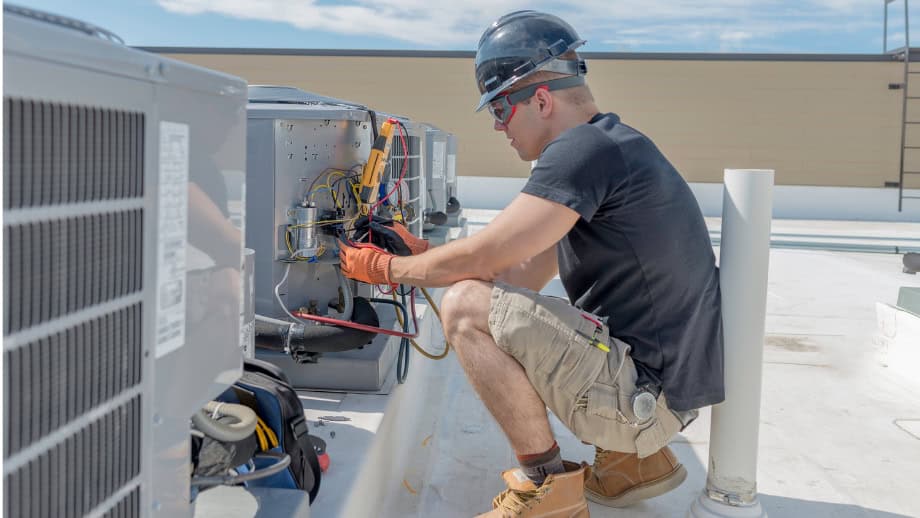
Your HVAC system should maintain a consistent temperature throughout your home without sudden shifts or uneven airflow. If you notice weak airflow, strange noises, or the system running longer than usual, it’s likely due for maintenance. Often a clogged filter is the culprit. Ignoring these early signs can strain the system, reduce efficiency, and eventually lead to costly breakdowns. A spike in your energy bills can also signal that your system is working harder than it should. Regularly checking and replacing filters not only improves performance but also extends the life of your HVAC unit and helps you avoid unexpected repair bills.
Inspect windows and doors for drafts
Drafts in doors and windows can make your home less comfortable and increase energy costs. There may be a gap if you feel air coming in around windows or doors. Checking for drafts is easy by holding a candle near the edges. If the flame moves, the air is getting through. Replacing weather stripping or adding caulk can help seal leaks. Fixing small gaps now keeps your home warm in winter and cool in summer.
Check for signs of pest infestations
Pests often go unnoticed until they’ve already caused significant damage, chewing through walls, wiring, insulation, and even furniture. Rodents and insects tend to hide in dark, undisturbed areas, so it’s important to regularly inspect basements, attics, storage rooms, and behind appliances. Watch for warning signs like droppings, nests, gnaw marks, or scratching sounds coming from inside the walls.
These often mean pests have already made themselves at home. Taking preventive steps like sealing food containers, fixing holes, and promptly removing trash can make your home less attractive to unwanted guests. Early detection and regular monitoring are key to avoiding infestations and costly repairs.
Examine your gutters and downspouts

If your gutters are clogged, water can back up and cause damage to your home. Leaves and debris block drainage, causing rainwater to spill over the edges. Overflowing gutters can also lead to foundation problems. Checking and cleaning them twice a year helps prevent damage.
If you notice water pooling near the house, the downspouts may need adjustment. Keeping gutters clear protects your home from costly repairs. Ignoring clogged gutters can also cause roof leaks and wood rot. Regular maintenance ensures water flows away from your home instead of causing hidden damage.
Test smoke detectors
A smoke detector that does not work can put your home and family at risk. Pressing the test button on each alarm ensures they are functioning properly. Batteries should be replaced twice a year to keep detectors reliable. A carbon monoxide detector is also important, especially when using gas appliances. If an alarm beeps frequently, the sensor may need replacing. Regular testing helps prevent dangerous situations.
Look for broken floors
Your house floors should be strong and even. Water leaks and high humidity can weaken flooring over time. If boards start lifting or feel uneven, you should inspect them further. Fixing the source of moisture early can prevent expensive repairs. Moreover, keeping the humidity low helps protect wood flooring from damage. Many people ignore these signs and end up spending a lot in the long term. Checking for moisture regularly helps keep your floors in good condition.
Inspect plumbing for leaks or corrosion
Even a small plumbing leak can waste a lot of water and result in expensive repairs. Checking under sinks and around toilets helps spot moisture buildup. Corrosion on pipes means they may need replacing soon. If you hear running water when no faucets are on, a hidden leak could be the cause. Fixing small drips now prevents mold growth and high water bills. Regular plumbing checks keep your home safe from water damage.
Keep an eye on your electrical system
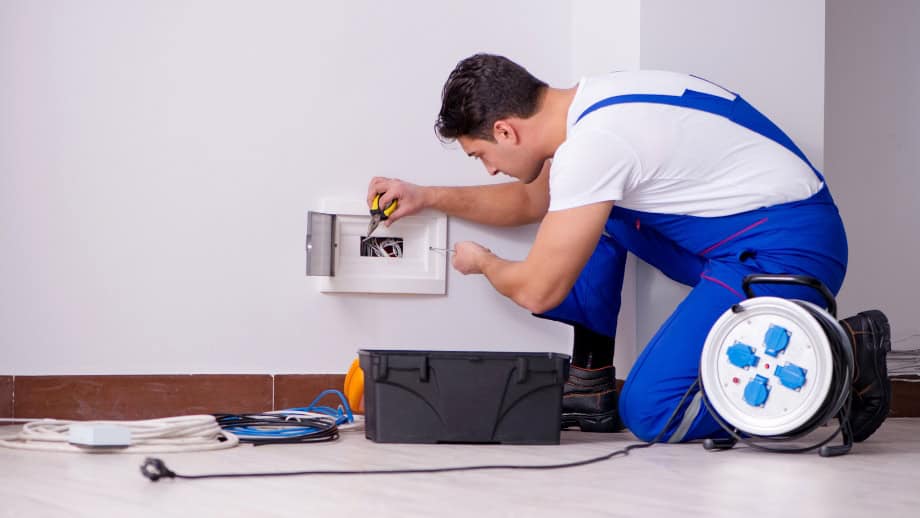
Electrical issues can be dangerous if ignored. Flickering lights, warm outlets, or frequent circuit trips might mean there is a wiring problem. A buzzing sound near outlets could signal a loose connection. Checking electrical panels and cords for wear helps prevent hazards. A burning smell should never be ignored. If something seems off, calling an electrician early can prevent expensive repairs and never try to fix it on your own.
Home maintenance does not have to be stressful. Catching small problems before they worsen saves money and keeps your home in good shape. A few simple inspections each season can prevent major repairs. Checking for leaks and weak spots helps protect your home from unexpected costs. A little effort now can keep everything running smoothly for years to come.