
Date demands he opens the car door every time—sweet or excessive?
When does a thoughtful gesture cross the line into expectation, and what does it say about modern dating norms?
Dating comes with its own set of unwritten rules. For many men, gestures like opening doors or picking up the check fall somewhere between instinct and performance. But what happens when a gesture stops being optional and starts feeling like an obligation or something expected of you? An online debate has people asking whether chivalry is still romantic or just another compatibility test in disguise.
A simple request or an early red flag?
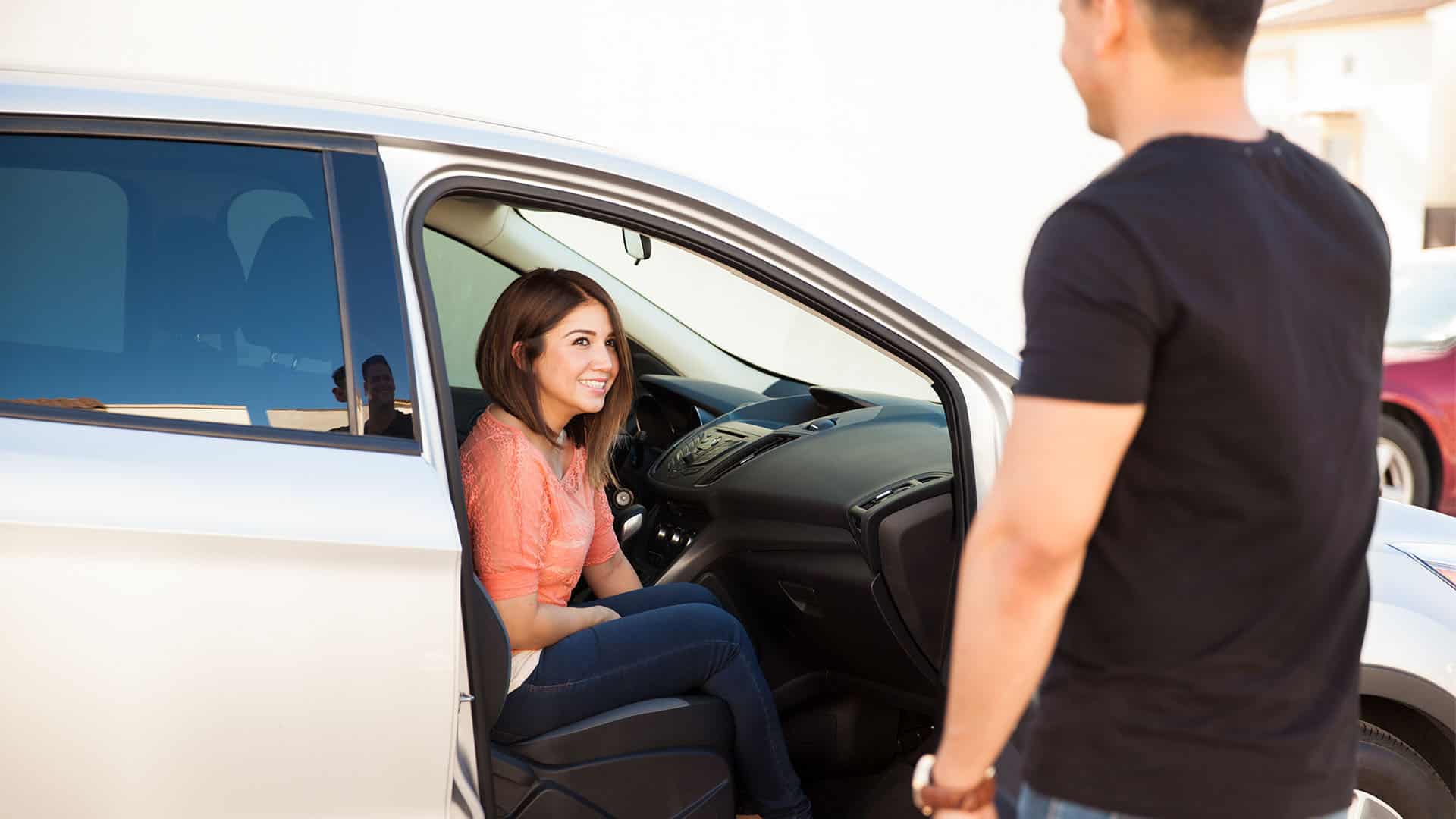
The conversation started with a Reddit post from a 27-year-old man who found himself in a standoff over something small but loaded. His date, he wrote, refuses to get into his car unless he walks around and opens the passenger door for her. Not occasionally, but every time. If he doesn’t, she waits, and not quietly. “Hello?” and “Excuse me, sir,” she says and waits. He added that he’s not anti-chivalry; he opens doors in other settings, but the car door ritual felt different. It felt forced, scripted, and increasingly irritating to him.
The internet had thoughts. One commenter called it “an incompatibility” worth walking away from early. Another, notably a woman, said it would be a “hard pass.” Others zeroed in not on the act itself, but the tone, particularly the “excuse me, sir” line, which several users said felt less like flirtation and more like entitlement. Most people in the comments agreed that opening a door is kind, but demanding it is different. “Gestures are meant to be thoughtful, not mandatory,” one user wrote. “Otherwise it’s not romance, it’s a job.”
Still, not everyone dismissed the behavior outright. A few pointed out that expectations in dating vary wildly, and what feels excessive to one person might feel like baseline effort to another. The real issue, they argued, wasn’t the door; it was the mismatch.
Chivalry in 2026
This debate taps into a much bigger question: what does chivalry actually mean today? There are a ton of things your date notices about you right away, but is opening doors one of them? Most modern relationships are less scripted than they appear to be on screens. An image coach offers her take, “Chivalry is not men protecting women… It stands for courage, fairness, and loyalty.” In that view, the whole concept is less about who opens the door and more about why anyone would. Holding a door “out of politeness irrespective of gender,” speaking up for someone being talked over, or owning a mistake, those are framed as the real markers of modern chivalry.
It’s a perspective that shifts the conversation away from performance and toward principle. Because if chivalry is “genderless” and “timeless,” then the question isn’t whether a man opens a car door every time but whether both people are showing up with the same baseline of respect. Gender roles are more fluid, and many couples are actively negotiating what “effort” looks like on their own terms. The problem lies within unspoken expectations. Surveys suggest that while traditional dating behaviors still carry weight for some, there’s growing disagreement over what’s actually expected.
As gender roles continue to shift, so do the rules, leaving many daters navigating a landscape with fewer shared standards. There’s also the reciprocity factor. In the Reddit thread, one commenter asked a telling question: “Does she unlock your door after she gets in?” It’s a small detail, but modern dating tends to value mutual effort over one-sided performance.
So, sweet or excessive?
Deep down, this is a conversation about how people individually define respect in relationships. It’s the same tension that plays out in other areas of dating, where even something like asking for space can be interpreted differently depending on expectations. For some, gestures like opening a door show attentiveness and intention and are small ways of saying, “I see you.” For others, requiring those gestures feels outdated at best, and transactional at worst. The tension comes from the gray area in between.
In this case, the man isn’t just reacting to a request. He’s reacting to how it’s delivered, how often it happens, and what it seems to imply about his role moving forward, and that’s the part worth paying attention to. Relationships rarely fall apart over a single behavior. But they do unravel over patterns that feel mismatched, unspoken, or imposed. The sooner those patterns show up, the clearer the decision becomes. So, is it sweet or excessive to expect a man to open the car door? The answer, like most things in dating, depends less on the act and more on whether both people are choosing it.