
The reality of living in an electric car and keeping it running 24 hours a day
A delivery driver turns to Reddit for advice while using an EV as a delivery car and a full-time shelter.
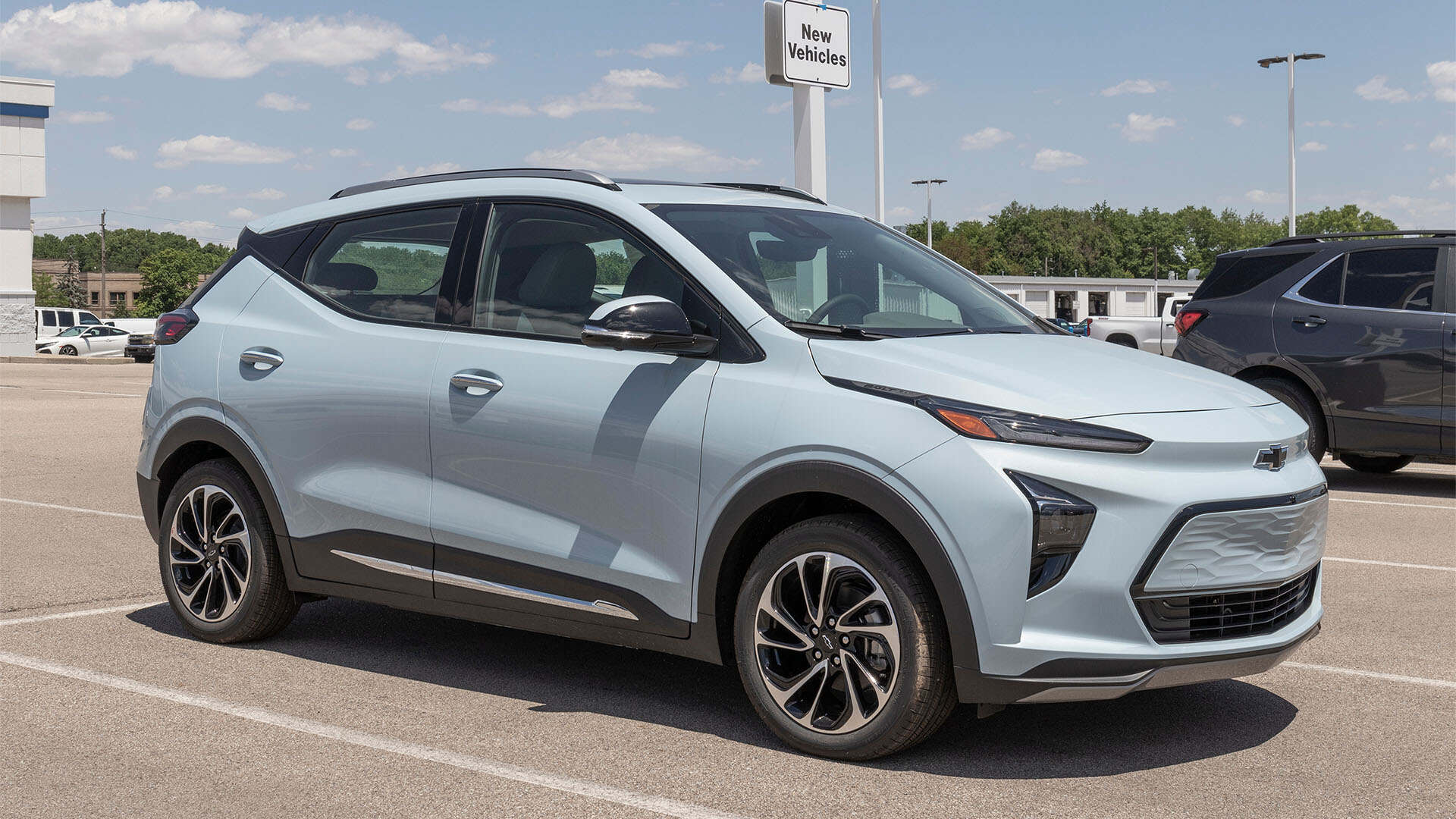
Leaving a vehicle running continuously may seem like an unusual habit, but a recent Reddit thread shows that unique life circumstances often require unconventional choices. A user turned to Reddit’s electric vehicle forum to ask a straightforward question: Is it okay to leave an electric car running for days at a time? The driver revealed that, due to a difficult personal situation, they have been living out of their Chevrolet Bolt EV, keeping the vehicle powered on nearly 24/7 to run the climate control and use it daily to deliver DoorDash.
While this might sound shocking to the average driver, running a vehicle around the clock is a reality the transportation industry has relied on for decades. Commercial taxi drivers are notorious for keeping their engines running continuously, often operating in back-to-back shifts where a single vehicle is passed from driver to driver, running day and night without turning off. From a pure operational standpoint, keeping a car powered up for days on end is nothing new. However, treating a standard passenger car like a commercial fleet vehicle pushes the hardware far beyond its intended consumer design.
The reality of accelerated wear and tear
Automotive manufacturers design passenger vehicles based on predictable consumer behaviors, usually estimating an annual mileage between 12,000 and 15,000 miles. They calculate component lifespans assuming the vehicle will spend the vast majority of its life parked and completely powered off. Driving for gig-economy delivery services like DoorDash is already notoriously brutal on a vehicle due to constant stop-and-go traffic. Combining that demanding driving cycle with using the vehicle as a full-time residence creates an extreme use case that is nowhere near the factory design book.
Operating a car 24/7 causes mechanical wear to accumulate at an accelerated rate. Even though an electric vehicle lacks the hundreds of moving parts found in an internal combustion engine, it is still subject to significant strain. The climate control system bears the brunt of this continuous operation. The air conditioning compressor and cabin blower motor are forced to work longer to keep the interior comfortable while the vehicle is stationary. Over time, this nonstop workload will significantly shorten the lifespan of these cooling components, leading to premature mechanical failures and costly repairs.
Managing the battery charging
The vehicle at the center of this scenario is a Chevrolet Bolt, though the original poster didn’t specify the exact model year. This distinction matters immensely when it comes to the vehicle’s underlying hardware. If the driver is using an older first-generation Bolt model, DC fast charging was an optional add-on rather than a standard factory feature, meaning many early units on the road are restricted to slower charging speeds. The newest versions of the Bolt have standardized DC fast charging capability, allowing for much quicker power replenishment.
Regardless of the model year, keeping the car powered on continuously means the battery is constantly discharging and cycling to run the electronics and climate control. While the Bolt’s battery thermal management system does an excellent job of protecting cell health by keeping the battery at an optimal temperature, the sheer volume of continuous throughput will inevitably accelerate degradation.
Even if the vehicle is equipped with fast charging capabilities, relying exclusively on high-voltage public fast chargers to keep a 24/7 vehicle alive places immense thermal stress on the battery cells. To preserve long-term battery health under these intense conditions, the best approach is to find a standard, low-voltage Level 2 charger whenever possible. Utilizing slower, steadier charging profiles minimizes heat buildup and helps protect the battery’s remaining capacity over time.
Challenges of car living
Living out of a vehicle presents a grueling set of daily challenges, and maintaining the mechanical health of your only shelter adds an immense layer of stress. While it is comforting to know that modern electric vehicles are resilient enough to handle this extreme level of continuous operation in the short term, it is fundamentally a ticking clock for the vehicle’s hardware. The accelerated wear on the cooling systems and the steady degradation of the battery mean the vehicle will require maintenance much sooner than normal.
Hopefully, the driver in this situation will be able to find appropriate, stable accommodation soon, allowing both themselves and their vehicle to finally get a much-needed rest. Until then, mitigating the damage through gentle low-voltage charging and being mindful of the extreme strain on the climate control system is the best way to keep the vehicle functioning as a reliable lifeline.