
Everyone called Nara Smith a trad wife, but did the internet get her marriage completely wrong?
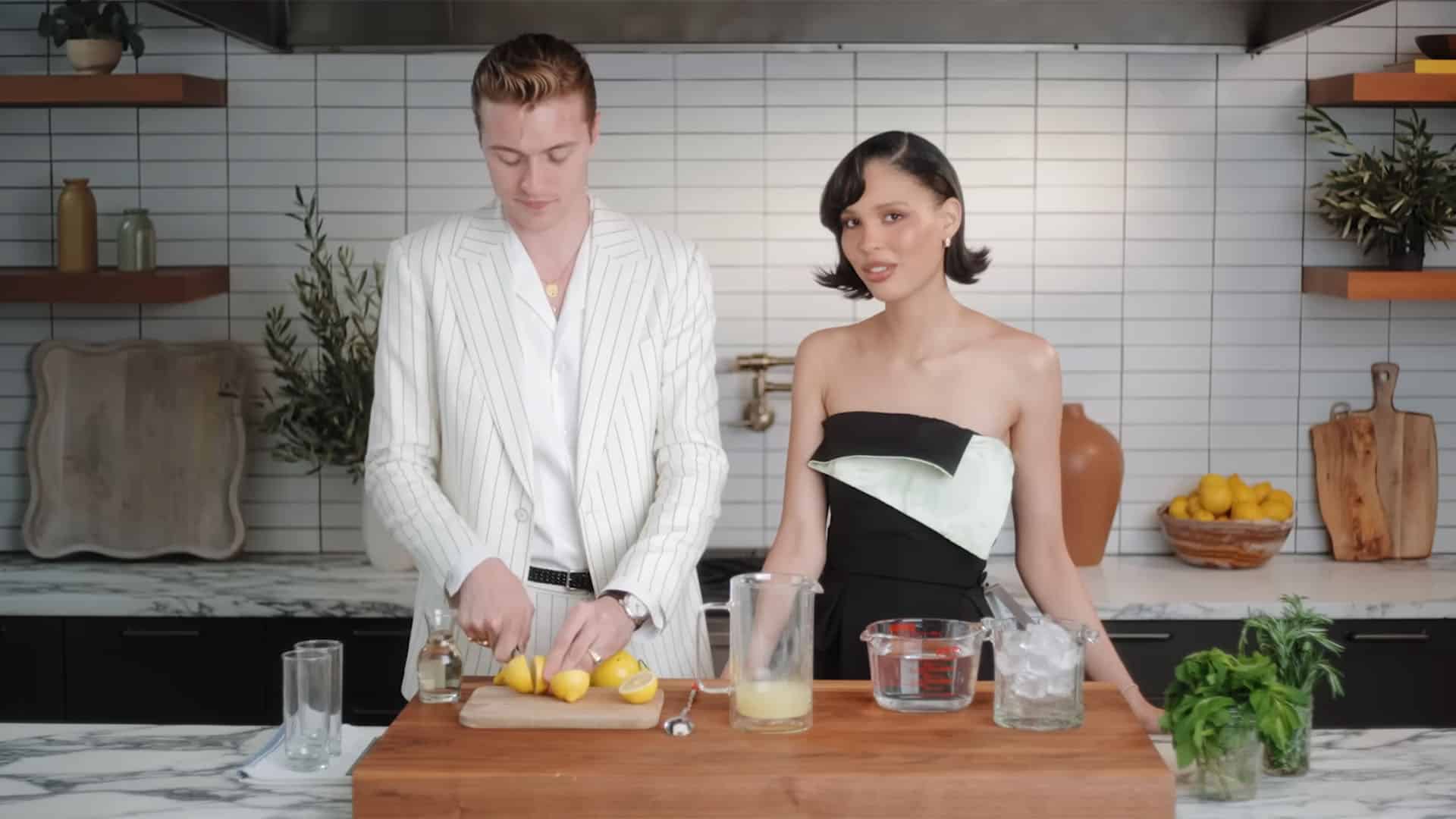
Two years of assumptions built on a woman in an elaborate dress cooking dinner, and almost none of it was true.
For two years, the internet decided who Nara Smith was based on a short video: a woman in an elaborate dress, cooking from scratch, because her husband was hungry. She sat down with Alex Cooper on the Call Her Daddy podcast to talk about the label “trad wife” that followed her everywhere. What came out of the conversation was almost nothing like what people had assumed.
During the interview, Cooper asked her to define what a trad wife actually is, and Smith went through it one piece at a time. A trad wife, by the standard definition, prioritizes being a homemaker, takes primary responsibility for cooking and cleaning, and supports her husband as the breadwinner while he handles the finances. Smith looked at that list and said none of it described her life.
She has been working since she was 14, starting as a model and now running a full content business entirely on her own. Every video she posts is her own operation: she picks the recipe, chooses the outfit, sets up the tripod, films alone, edits the footage, and then does the voiceover after the kids go to sleep. When it comes to childcare, she and Lucky Blue Smith, her husband and one of the most in-demand male models of the 2010s, have always split it down the middle, with whoever is not working that day taking the kids. As for the cooking, she said she does it because she genuinely loves it and because her autoimmune disease means making food from scratch is better for her body. That is a passion and a healthy choice, not a role she was assigned.
The cleaning detail is what tends to surprise people. She said flat out that she does not touch the dishes, and that Lucky is the one who cleans their home. He grew up with a mother who ran a strict weekly cleaning schedule, with each sibling responsible for a different task, so he has always been the one handling that side of the house. And on the money question, both of them work and earn, which means the whole premise of the trad wife label collapses before she even finishes the conversation.
When you add it all up, the picture people built from watching 90-second cooking videos had almost nothing to do with how their household actually runs.
What is their real story
What made the whole debate so strange is how little of it had anything to do with what was actually happening inside their home. People saw a minute and a half of video, filled in the rest with their own assumptions, and ended up describing a marriage that bore almost no resemblance to the real one.
The part that gets overlooked in all of this is Lucky. While the internet was busy debating Nara, the man in the background was doing the dishes, scrubbing the house to the precise standard his mother taught him, and sleeping at the hospital for weeks at a time when their daughter, Whimsy, was going through cancer treatment. He was also the one who told Nara early on that she should take her content seriously and build it into something real. Just off camera, while she is filming in a designer dress, he is usually the one handling the four kids. That is a very different picture from the one people were projecting.
This is worth keeping in mind for anyone who spends time watching couples on social media and feels like they understand how those relationships work. What ends up on a feed is a small, carefully chosen slice of someone’s life, filtered for an audience and posted at the best possible moment. Nara said it herself: she posts selectively, and the reality just off camera is Lucky wrangling four children while she films. The version of their life that went viral and sparked two years of debate was, at most, about ten percent of what was actually going on. When you see a beautiful couple online who seem to have everything figured out, it is worth remembering that you are watching a highlight reel, and the other 90% of their lives looks a lot more like everyone else’s.
She also made a point in the interview that goes beyond her own situation. People felt the need to put her in a box because a woman who loves cooking, dresses beautifully, runs a business, and co-parents as an equal is harder to categorize than someone who fits neatly into one role. She was pregnant, dresses were more comfortable than jeans, and cooking was both a passion and a health necessity because of her autoimmune disease. That combination got turned into a verdict about her entire identity, and she found that instinct more frustrating than the label itself.
For men thinking about their own relationships, the more useful thing to take from all of this is what Lucky actually models. He shows up for the housework, for the hard overnights, for the career support, and for the real conversations. Building that kind of partnership takes real and consistent effort, and it looks nothing like the version of their marriage that went viral.