
Why Lionel Messi sleeps 11 hours a day, and why you should probably also sleep more
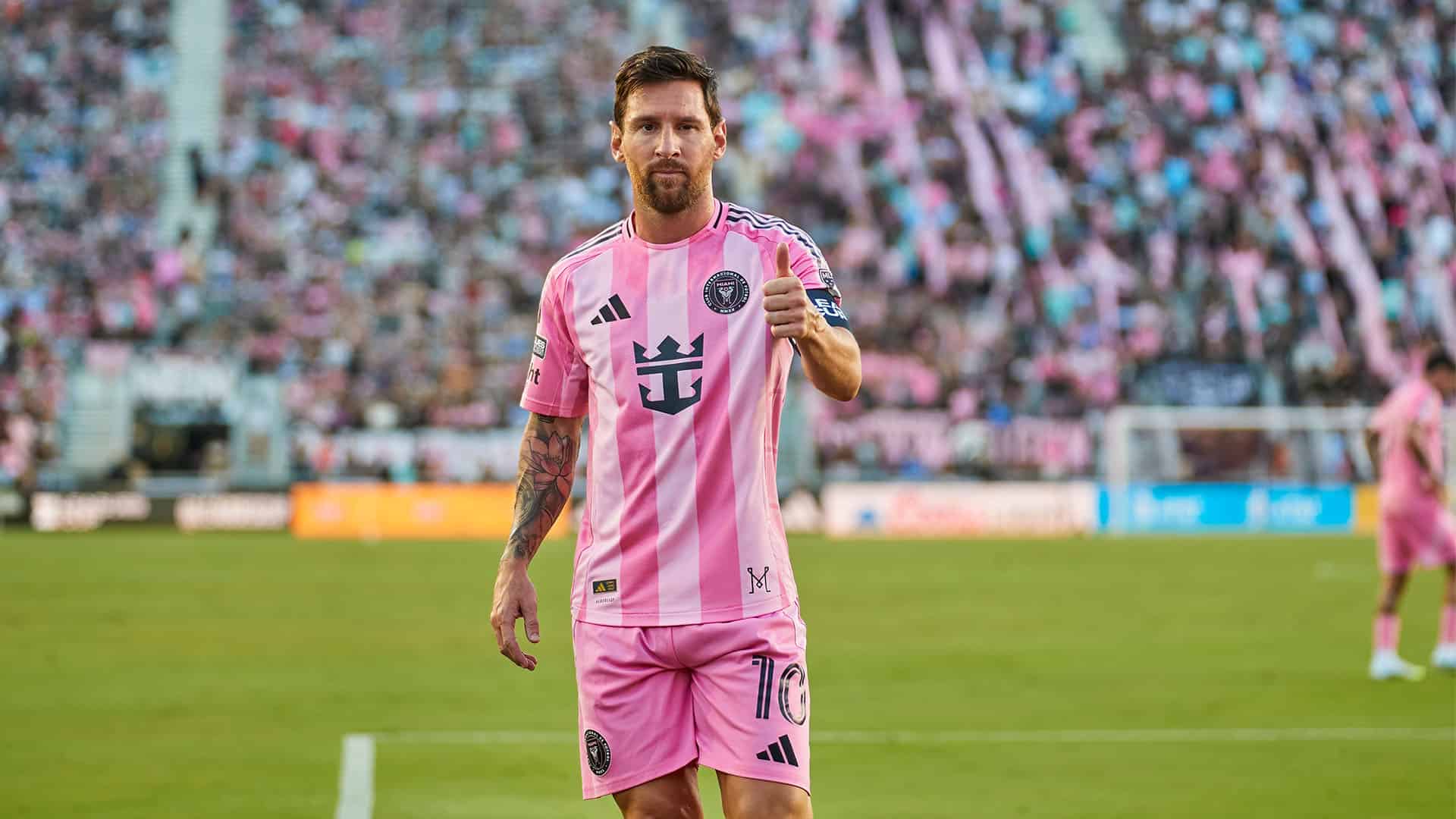
The best player of his generation built a career on doing the opposite of hustle culture.
Sleep is often treated as something we sacrifice when life gets busy, but the world’s top performers understand that rest is not wasted time; it is part of success. Lionel Messi recognizes that recovery is crucial to maintaining peak performance. But the benefits are not limited to football players. Whether you are managing a demanding career, raising a family, studying, or simply trying to feel your best, quality sleep affects your focus, mood, decision-making, and overall health.
Lionel Messi’s schedule
Reports on Messi’s exact numbers vary depending on the source, but they all point in the same direction: a full night’s rest plus a real daytime nap, not a 20-minute power nap. According to a report from the Mirror, Messi logs around 11 hours of sleep a day, including naps, on the advice of sleep specialist Dr. Eduard Estivill, who has studied both his and Cristiano Ronaldo’s recovery habits.
And here’s the detail that matters most for the “grind culture” crowd: Messi isn’t a 4 AM guy. According to a detailed breakdown of his daily routine, he wakes up between 8 and 9 AM, well after most self-help gurus are already three cold plunges deep. His mornings are described as calm, family-first, and no-hustle. The greatest output of his generation didn’t come from beating the sunrise. It came from protecting his recovery like it was part of the job, because it is.
What skipping sleep actually does to your body
There’s real science behind why cutting sleep to “get ahead” tends to backfire. A well-known University of Chicago study led by Dr. Eve Van Cauter found that healthy young men who slept five hours a night for just one week saw a significant drop in testosterone, the hormone tied to strength, muscle recovery, and drive. A single bad night usually won’t tank you. But a pattern of short sleep, the kind plenty of guys wear as a badge of honor, works directly against the exact goals they’re chasing at the gym or at work.
The cognitive side isn’t any kinder. Focus, reaction time, and decision-making all take a measurable hit under chronic sleep restriction. For an athlete whose entire game depends on split-second reads, that’s the difference between a goal and a turnover. For a regular guy, it’s the difference between a sharp presentation and a sloppy one, or a clear-headed conversation with your partner and a short-tempered one.
Building your own digital sunset
You’re not going to get a two-hour siesta between meetings, and that’s fine. The real takeaway from how Messi treats sleep is the respect for the process leading into it.
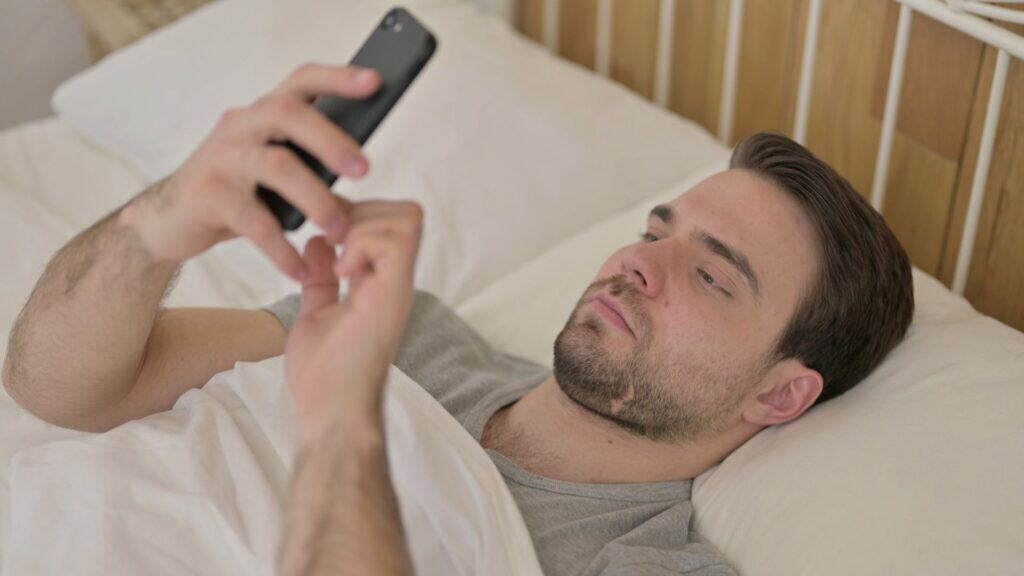
That’s where a “digital sunset” comes in: a set cutoff, ideally 30 to 60 minutes before bed, when the phone is put down, and the lights start dimming. Screens emit blue light that suppresses melatonin, the hormone that normally rises in the evening to signal your brain it’s time to wind down, which is part of why scrolling in bed so often turns into an extra hour of feeling wide awake instead of sleepy. Harvard researchers have found that blue light suppresses melatonin roughly twice as long as comparable green light and shifts circadian rhythms by a matching margin, and the fix isn’t complicated: charge your phone outside the bedroom, dim the lights, and give your brain an actual signal that the day is over.
Nobody’s saying skip the alarm and sleep until noon. But the guys chasing 4 AM wake-ups as a personality trait might be optimizing for the wrong thing entirely. Messi got to the top by refusing to shortchange his recovery. That’s a harder habit to brag about on social media, but it’s the one that actually holds up over a 20-year career.