
I’ve been cycling for over 30 years—here’s how to actually start the right way
In reality, the bike is the last decision. Before that, there’s a sequence most beginners skip entirely.
Thirty years on a bike teaches you things no YouTube video covers. In recent years, the sport has undergone significant changes. Road bikes on city streets have expanded into mountain biking, gravel riding, bikepacking, enduro, and downhill. The choices are genuinely overwhelming, and most newcomers make the same mistake: they go straight to a shop, fall in love with something that looks right, and spend $1,500 to $3,000 on a bike built for terrain they haven’t actually ridden.
Rent before you spend
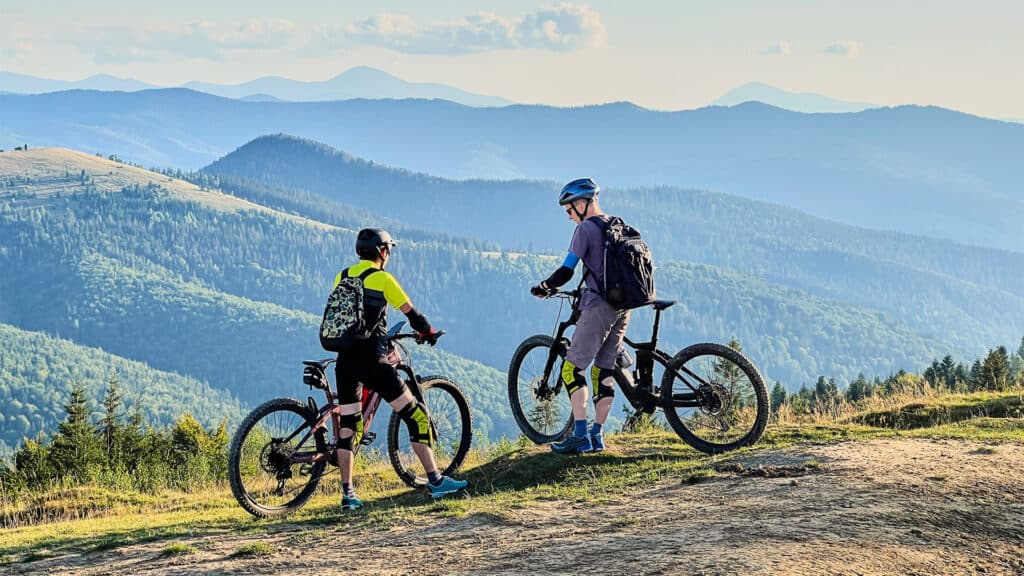
Most people start with the wrong question. They ask “which bike should I buy” before knowing what kind of riding they’ll actually do.
Road cycling is a sustained effort on pavement and rewards aerobic fitness above everything else. Mountain biking splits into cross-country, trail, enduro, and downhill, and those are genuinely different sports. Those riders you’ve seen on Red Bull Rampage launching off cliffs in Utah are not just coasting downhill. They are serious athletes and spend just as much time in the gym building the strength to handle the bike as they do practicing the technique. Gravel riding sits between road and mountain, with wider tires, mixed surfaces, and has grown fast because it doesn’t force you to choose a lane immediately.
My advice is rent before you spend. Most local bike shops offer rentals, and bike parks often rent by the hour or the day. Spend a Saturday on a rented hardtail on a local trail. Try a gravel bike on a mixed-surface route. Try at least a few to understand how it feels and how your body reacts. Once you have a basic understanding, start thinking about spending some money. The reason is simple. A solid entry-level road bike starts at $900 to $1,500. A decent trail mountain bike starts around $1,200, and the sky is the limit. And this is just a bike. We haven’t talked about shoes, a helmet, and all the equipment you will need to maintain them.
One more thing on the bike itself: fit matters more than model year. A frame sized correctly for your height and reach will outperform a top-spec bike that puts you in the wrong position every single ride. Any decent shop will size you properly.
Learn to ride in traffic
Many of us hate it, but everyone should learn how to ride on a busy road because, at some point, most cyclists end up on roads with cars around them. That moment arrives sooner than expected, and the riders who aren’t prepared for it are the ones who get into trouble.
The foundational mindset is this: assume every driver either hasn’t seen you or has decided not to give way. A defensive habit built on that assumption has prevented me from having countless accidents. Road rules apply to cyclists, and consistently following them makes your movements more predictable to drivers.
Learn how to position yourself on the road. Riding too close to the curb means you are too close to parked cars, and if someone opens their door, they can easily push you off the bike. Holding a line roughly three feet from parked cars gives room to react and communicates to traffic that the lane requires respect. Make eye contact with drivers at intersections when possible. Never assume a car that slows down has actually seen you. On a bike, the weakest position on the road demands the most deliberate thinking.
Learn how to handle the bike
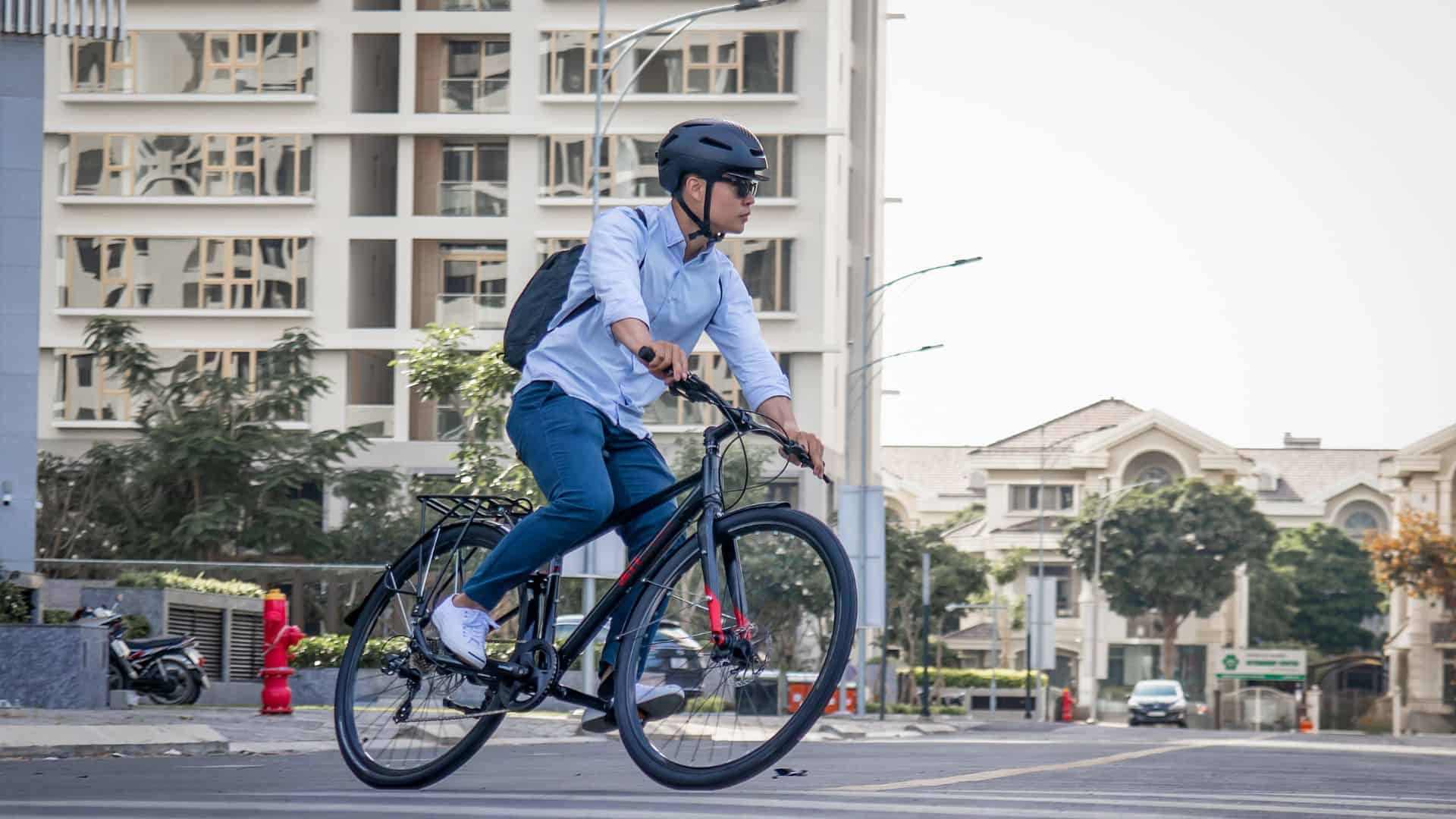
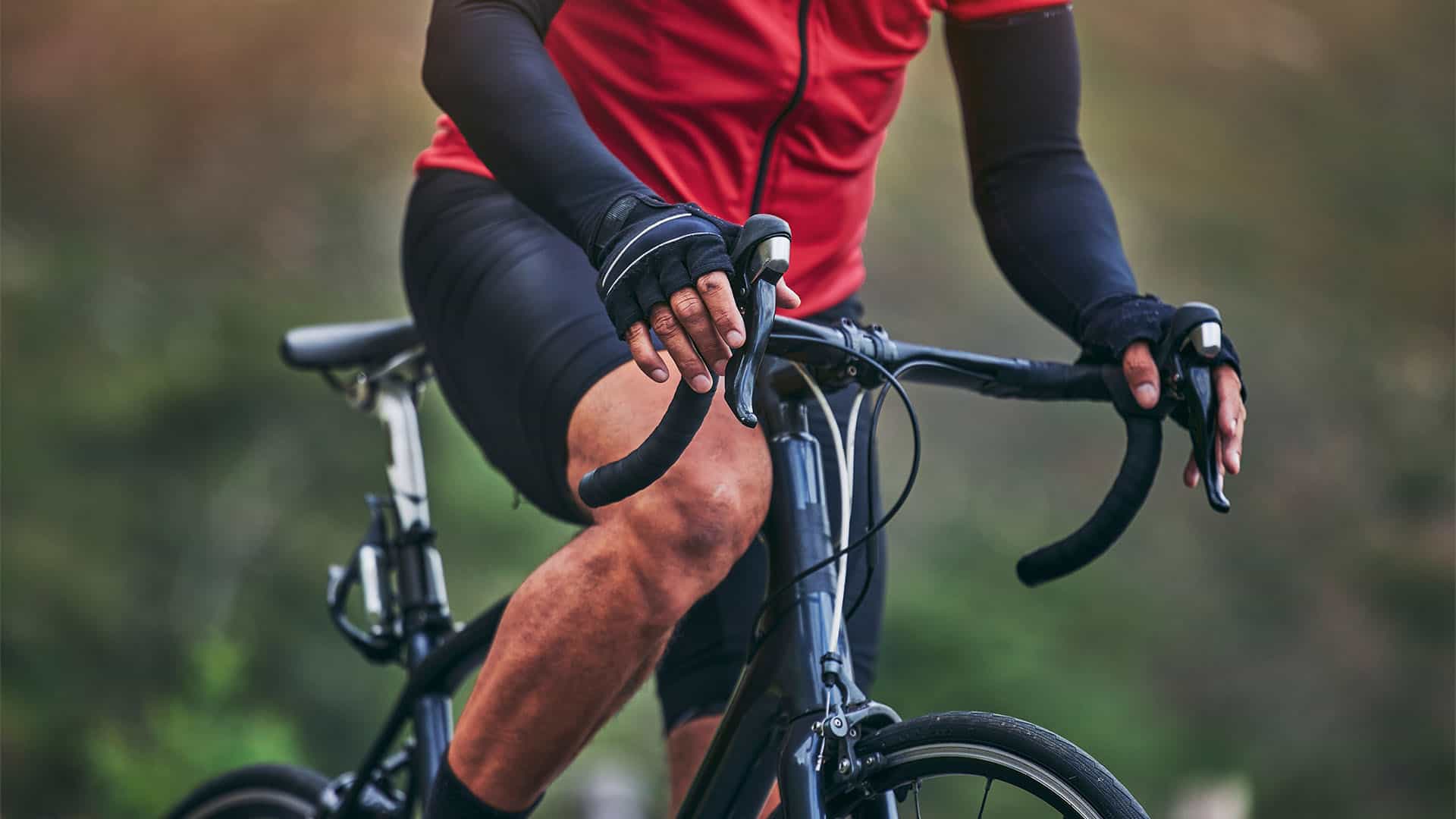
Bike handling is a set of skills, and like any skill, the goal is to stop thinking about it consciously. Knowing which lever shifts which gear without looking down. Learn how to brake in an emergency situation and how the bikes behave on different road surfaces. Another essential skill is riding in a straight line while turning your head to check traffic behind you. It sounds trivial until you try it at speed and discover that your hands follow your eyes.
Practice these deliberately and separately. Find a quiet parking lot and practice looking backward while riding in a straight line. Practice smooth gear changes on flat ground before needing them on a climb. The mechanics need to become automatic because when traffic gets complex, cognitive space is not something a rider can spare.
Once you are solid with the handling, you can think about fitness. There is no useful training plan for a rider who is still consciously managing the bike. Once handling becomes instinctive, building endurance and power has a foundation. Start with consistent shorter rides, 45 minutes to an hour, before chasing distance or elevation. The fitness will follow. The habits built early are much harder to change.