
Summer towing starts here: the rules most drivers learn too late
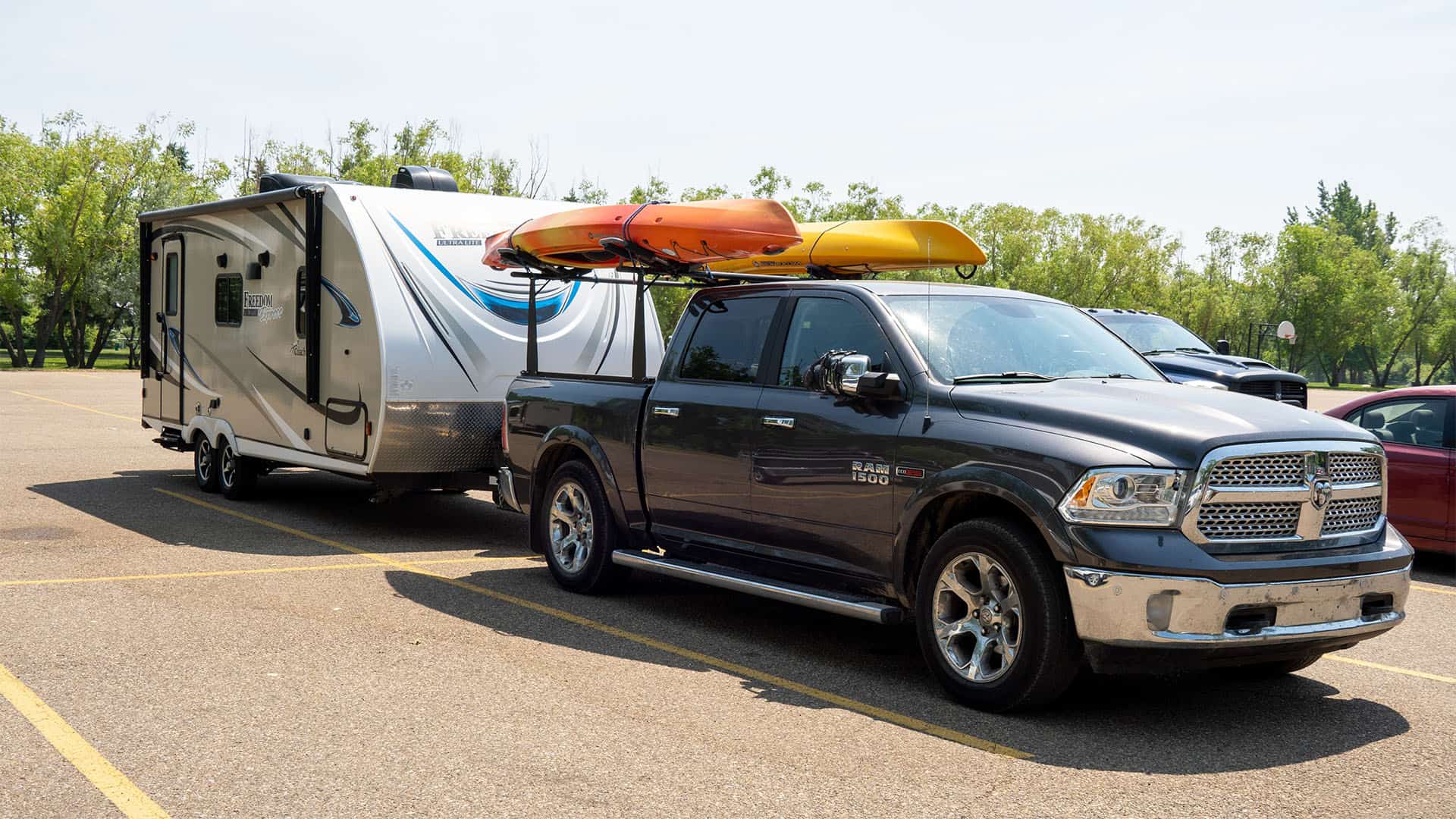
A practical overview of what drivers should understand before towing a caravan or trailer.
As summer approaches, towing becomes one of those seasonal activities many drivers suddenly find themselves doing without much preparation. A rented caravan for a road trip, a small boat for a weekend by the lake, or a utility trailer all seem straightforward until you connect them to a vehicle for the first time.
That’s usually the moment reality sets in. Towing is not difficult, but it does demand a basic understanding, and once those pieces are in place, the rest becomes routine.
Start with the vehicle and the weight you are actually moving
Everything begins with the vehicle. Not the trailer, not the caravan, not the hitch because the tow vehicle sets the limits. Every car has a manufacturer-rated towing capacity. This number is not flexible, and it shows what the engine, brakes, transmission, and chassis can safely handle.
The next step is understanding what you are actually pulling. The key figure is gross trailer weight (GTW). The important part is that this is not just an empty trailer. It includes everything inside it: luggage, camping gear, tools, and anything else loaded for the trip.
Then there is tongue weight, which is the portion of the trailer’s weight pressing down on the hitch. In most cases, this should sit around 10–15% of total trailer weight. If it is too low, the trailer can start to sway. If it is too high, it puts unnecessary stress on the rear of the vehicle.
A simple, straightforward approach is not pushing the limits. Staying below maximum capacity by a comfortable margin rather than aiming right at it gives you more control. Wind, hills, or sudden braking can quickly make the whole setup unstable if it’s close to its limit.
Select the right hitch systems
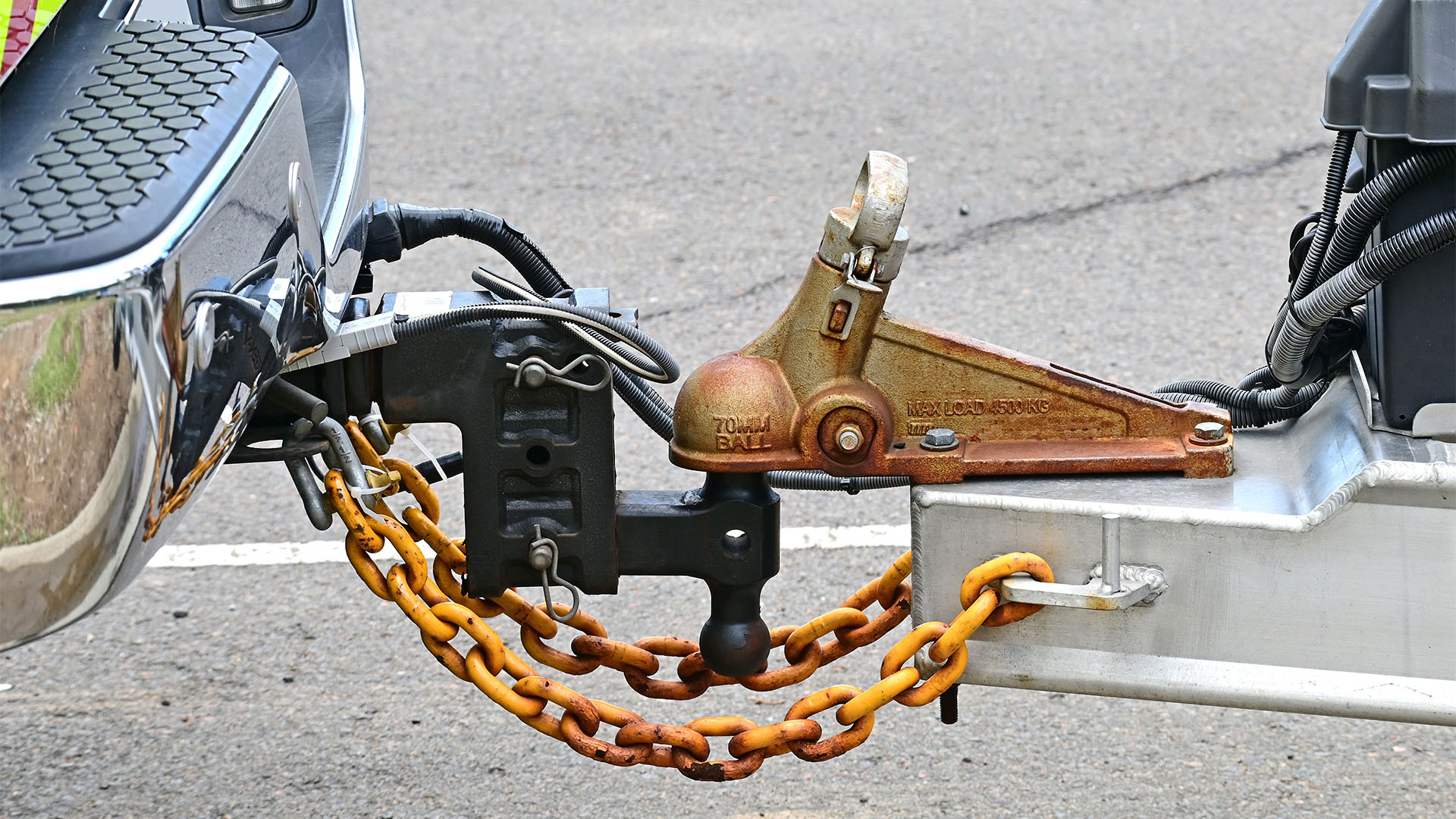
Not all towing setups use the same hardware. The hitch system determines how the trailer connects to the vehicle and how much weight it can handle. The most common setup in the U.S. is the receiver hitch, which is a square metal tube mounted to the vehicle’s frame and categorized into classes:
Class IV and V hitches are designed for heavy-duty towing, including large caravans and boats.
Class I and II hitches are typically used for light trailers such as bike racks or small utility trailers.
Class III hitches are common for mid-size SUVs and light towing tasks.
For larger caravans, a weight-distribution hitch can completely change the experience. Instead of letting all the weight sit on the rear axle, it spreads the load across the vehicle and trailer more evenly. The result is better steering control and reduced rear sag.
Hitching a caravan safely
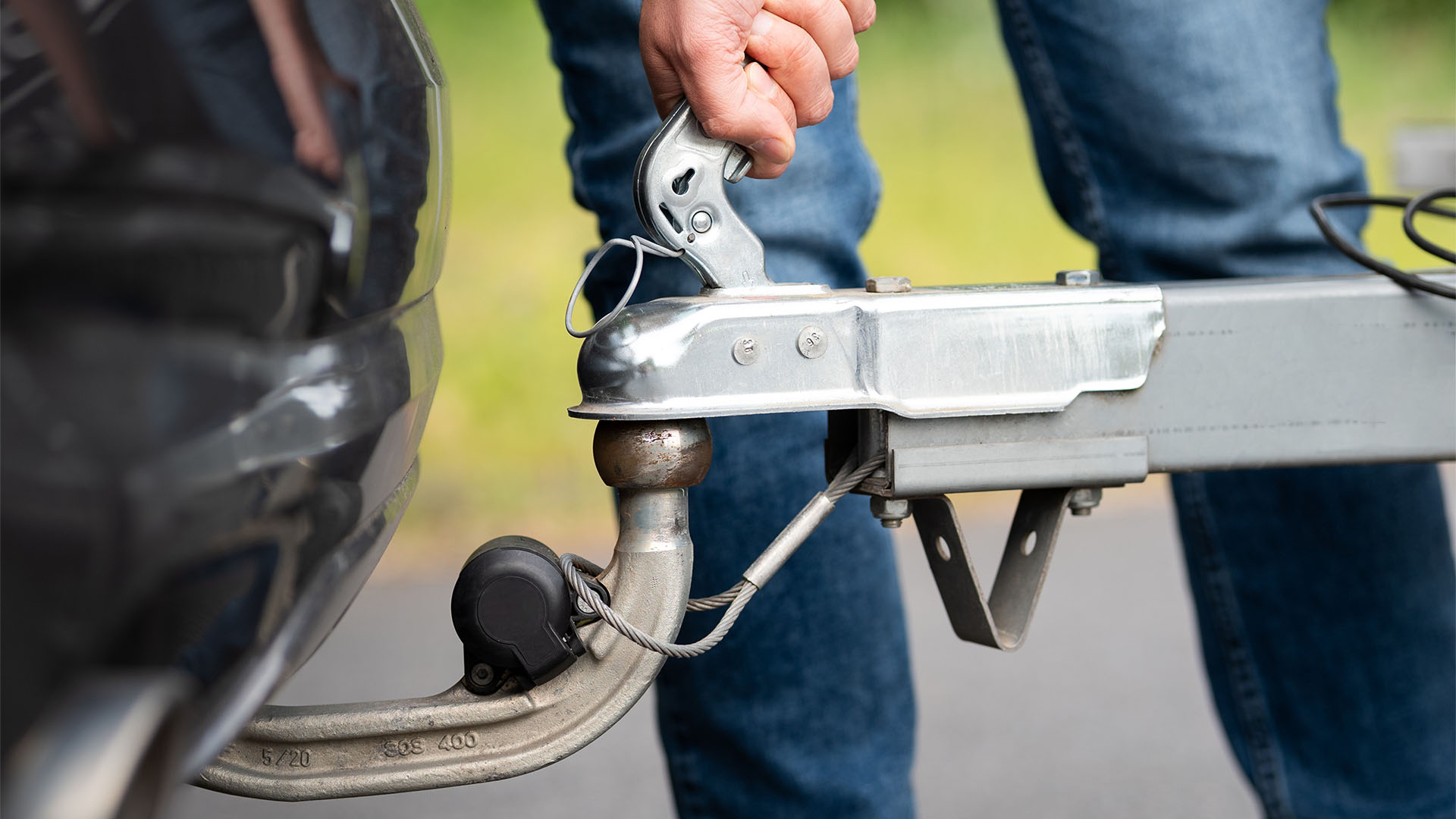
The actual process of connecting a caravan is easy and straightforward once you know the steps. It starts with alignment. The tow vehicle needs to be positioned so the hitch ball sits directly under the coupler. Many people do this slowly in reverse, making small adjustments until everything lines up. Use a rear camera or ask someone to navigate you to the perfect position.
Once aligned, the coupler is lowered onto the ball and locked. This is the point where a quick visual check is not enough. The latch should be physically tested to confirm it is fully engaged. If it is not properly seated, it can come loose under movement. Safety chains are the next step. They are crossed underneath the hitch, not left hanging straight. That crossing creates a cradle effect if the trailer disconnects. There should be enough slack for turning, but not so much that the chains drag on the road.
Then comes the electrical connection. This controls brake lights, indicators, and sometimes trailer brakes. It is worth testing every light before leaving. A disconnected indicator cable is not just inconvenient; it also removes a critical communication link between you and everyone behind you.
Before getting onto open roads, I recommend always doing a short, low-speed test in a quiet area. A gentle acceleration, a light brake, and a slow turn are usually enough to reveal whether the setup feels stable. Any unusual sway or resistance is a sign to stop and reassess before continuing.
Towing is not complex, but it does require the right setup and preparation. Once everything is set, you are safe to drive. Just don’t forget there is a trailer behind you, and you might need to amend your driving habits. Avoid sudden braking and turns to keep the drive smooth and safe.